About our work
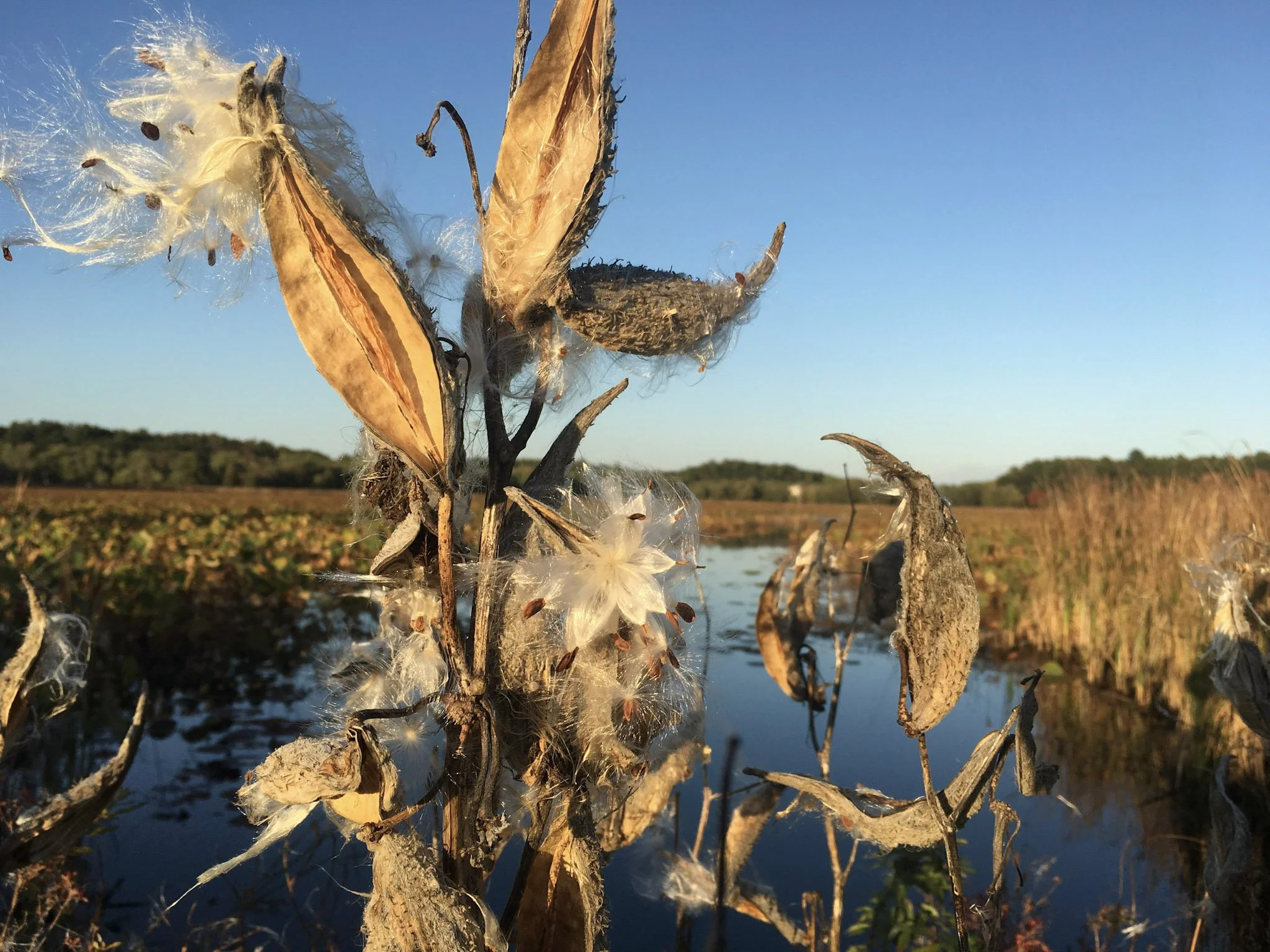
Wild Seed Project builds awareness of the vital importance of native plants and provides all people with the tools to restore biodiversity in their own communities. We equip community members, public officials and municipalities, and land-holding individuals and organizations—from farmers to land trusts—with the skills and resources they need to collectively repopulate landscapes with native plants that expand wildlife habitat, support biodiversity, and build climate resilience.

Our mission is to inspire people to take action in increasing the presence of native plants grown from wild seed. Our vision is to collectively create and repopulate landscapes to be abundant with native plants that safeguard wildlife habitat, support biodiversity, and mitigate the effects of climate change.
Our core values
Community
We are connecting people with one another and the web of life around us, in tune with complexity, mutuality, beauty and an awareness of how we impact one another.
Care
We can and will create conditions for a life-affirming future, informed by scientific methods and reflective action, learning and adapting along the way.
Humility
We strive to continuously build knowledge and skills with an open mind, and share what we learn. We value many ways of knowing and being, and we are committed to ongoing learning, unlearning and practice toward equity, inclusion and decolonization.
Responsibility
We cultivate many ways to participate in repairing human relationships with the life around us through responsibility and accessible collective action.
Our History
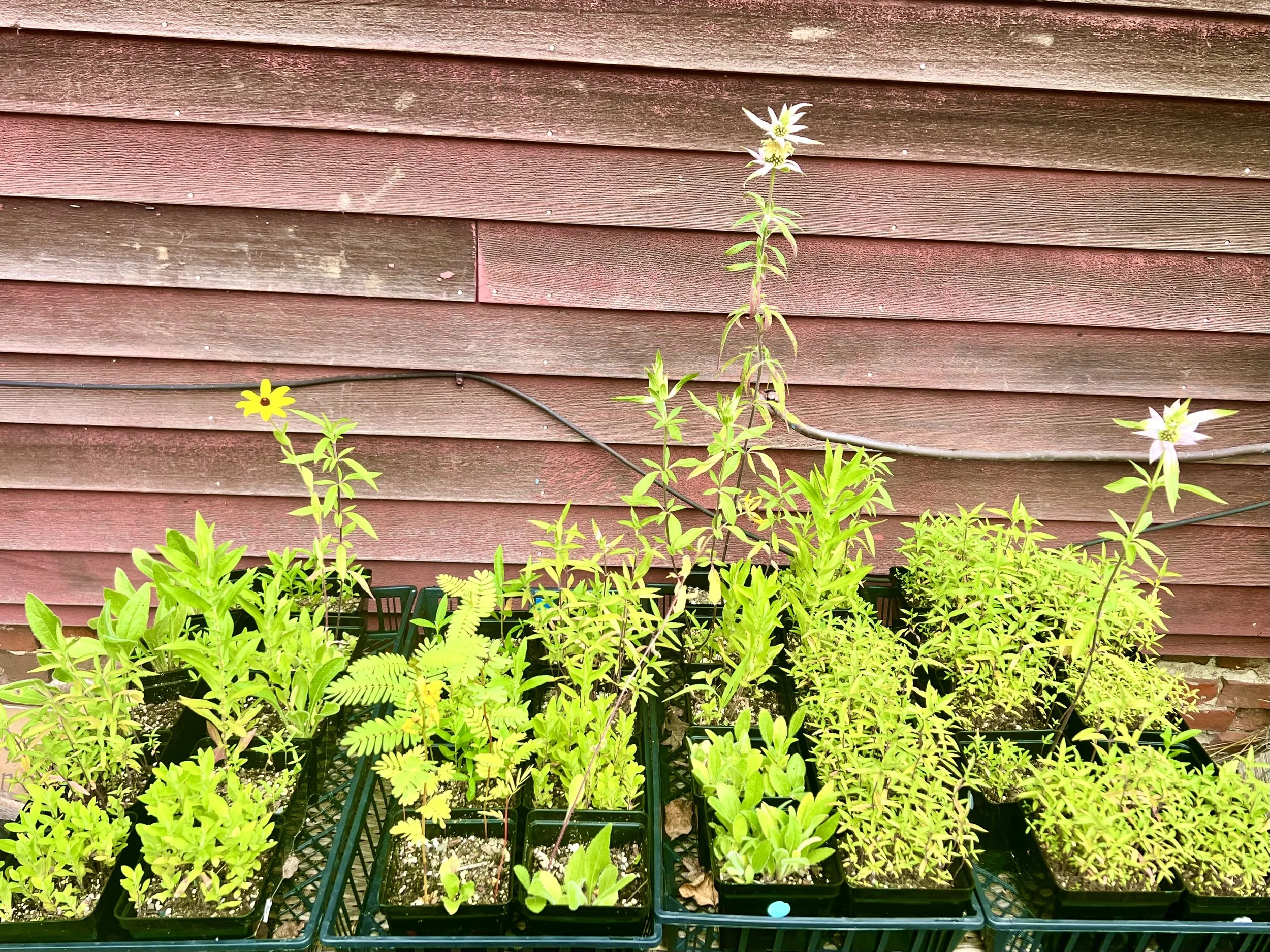
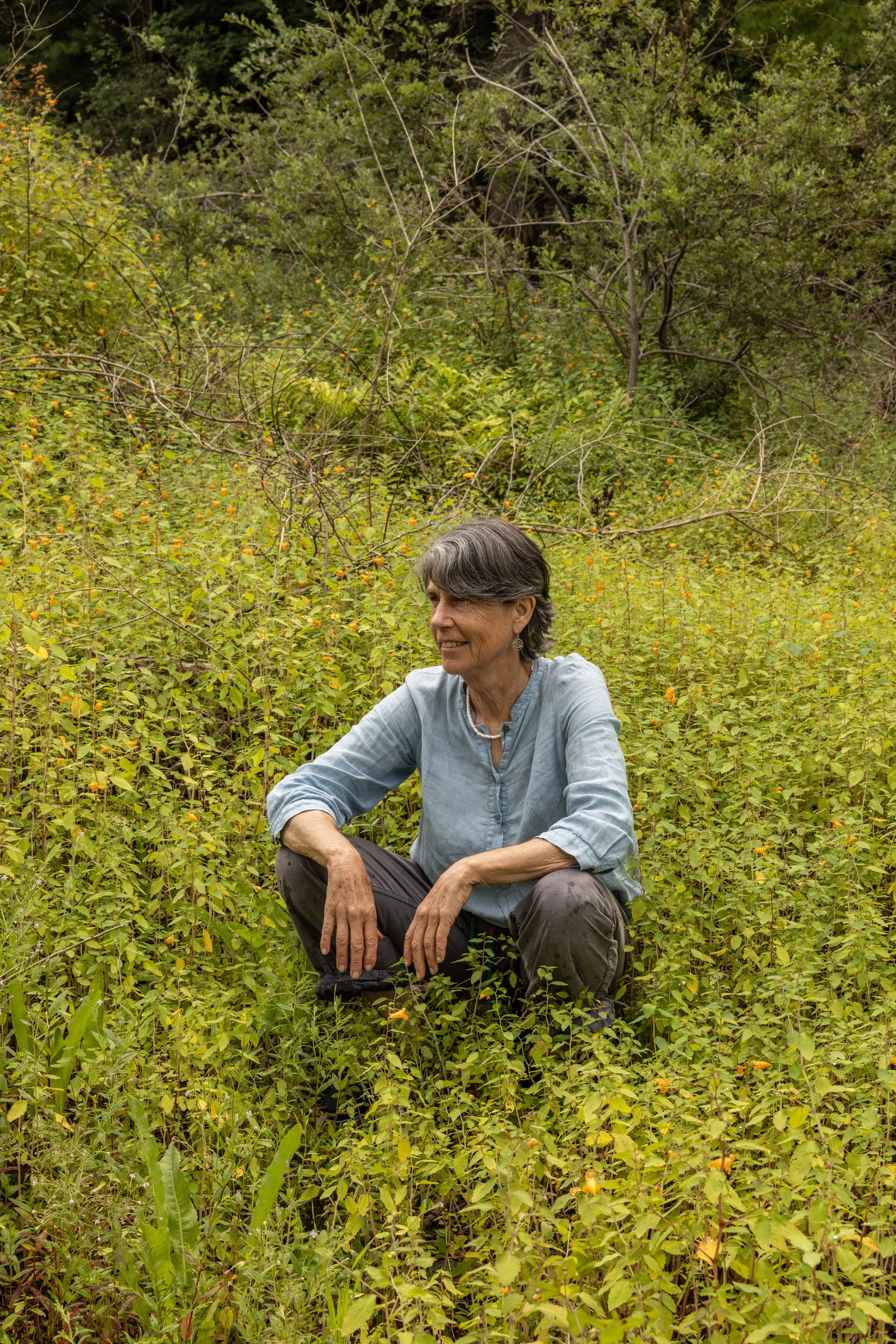
Wild Seed Project was founded in 2014 by Heather McCargo. With over 40 years of expertise in wild plant propagation, conservation and ecological design, Heather worked in a field that insisted native seed sowing was only for the most highly-trained. Heather disagreed: yes, sowing native seeds requires care, but with clear guidance, anyone could do this. Not in a lab or a greenhouse, but on back porches, balconies, and city stoops. Anywhere, for anyone. What she saw was an enormous opportunity: if home gardeners could learn to sow seeds of native species and grow gardens that were ecologically supportive, we could restore habitat and biodiversity in our own backyards, and achieve an incredible collective impact.
Wild plants – and the food webs and wildlife they support – are losing out as the climate crisis intensifies. These plants have supported us, and all life on earth, for thousands of years. We must return to the practice of supporting them.
All of us have to get our hands in the dirt. All of us have to pay attention. All of us have to care. So that’s what we do – we’re building a movement of citizen ecologists collectively taking action to restore our ecosystem.
Join us.
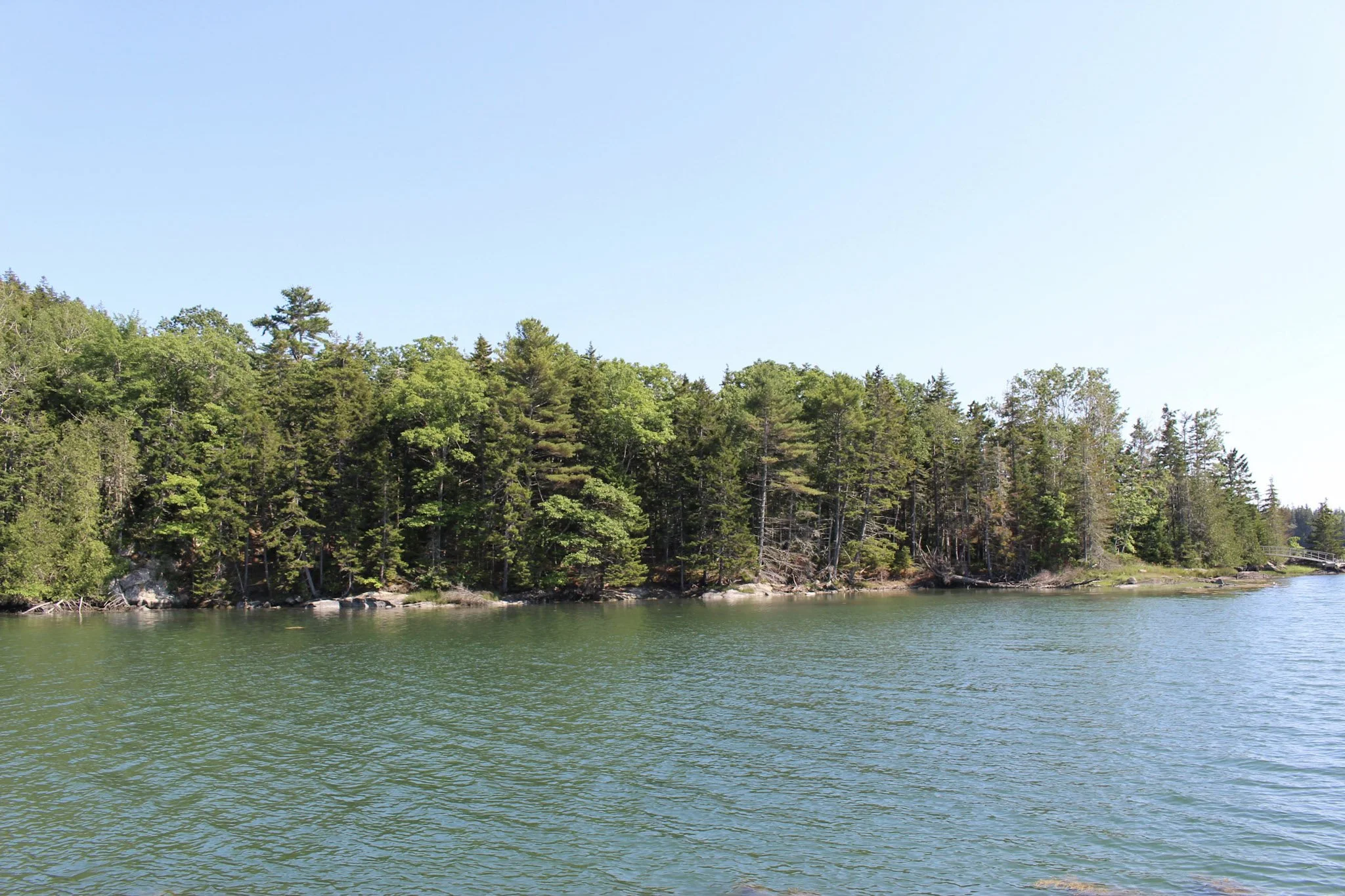
Wild Seed Project is located within ancestral Wabanaki territory now called Maine.
We recognize the inherent sovereignty of the tribes of the Wabanaki, the People of the Dawn: the Abènaki, the Wolastoquiyik (Houlton Band of Maliseet Indians), the Mi'kmaq (Micmac) Nation, the Panuwapskewiyik (Penobscot) Nation, and the Peskotomuhkatiyik (Passamaquoddy) Tribe. We support their continued work for justice, self-determination, and decolonization.
The work of Wild Seed Project is necessary precisely because of the ongoing violence of settler colonialism. The exploitative practices of European colonizers, which continue to this day, are directly responsible for the displacement of the native plants that form the foundation of local food webs that we are working to restore. What does it mean to build and rebuild reciprocal relationships with people, plants, fungi, soil, water and air? Reestablishing resilient ecosystems in which all forms of life can thrive is one piece of deconstructing a colonial legacy.
As we do our work at Wild Seed Project, we are clear: This knowledge and information did not start, nor will it end, with us. The resources we share are gathered from many teachers, both human and nonhuman. We encourage you to learn more about the historical and present-day relationships of Indigenous communities to the place you live (native-lands.ca), and to join us in supporting Indigenous-led efforts to protect the land, water, plants and creatures among us.
Contribute to Healing
The mission of Wabanaki REACH is to “support the self-determination of Wabanaki people through education, truth telling, restorative justice, and restorative practices in Wabanaki and Maine communities.” Learn more and support their work at www.wabanakireach.org.
This land & knowledge acknowledgment is a living document. We welcome your feedback.
Explore our programs to learn more.