
Our guide to fall planting
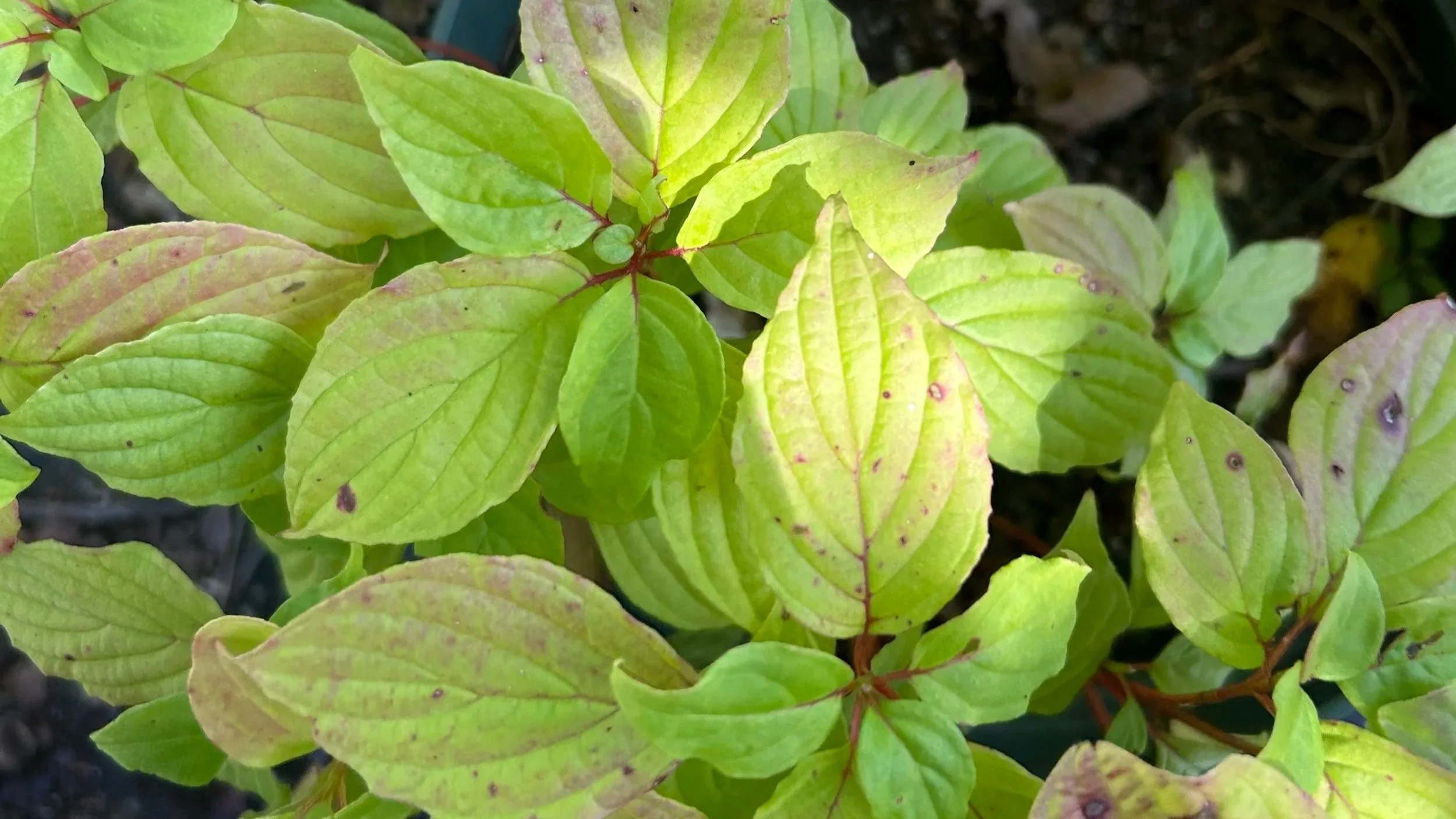
A red twig dogwood seedling at the Native Seed Center.
Planting native seedlings
While native plants need little once established, they require tending for their first season in the ground, especially in times of persistent and worsening drought. Planting about a month before a hard frost allows plants' root systems to anchor into the ground, and minimizes the risk of heaving during the freeze/thaw cycle.
Watch the forecast and time your planting with predicted rainfall if at all possible. It also doesn’t hurt to wait until later in October or November when the temperatures are significantly cooler. Once planted, protect the area around seedlings with 2 - 4" of leaves or aged, undyed bark mulch, and continue watering young plants until they go dormant, keeping the soil moist but not soggy. You’ll know your plants are going dormant when they lose their leaves or turn brown and die back.
Fence in individual trees and shrubs with a wire mesh/hardware cloth to protect them from deer, rabbits, and other hungry creatures.
Given the extreme drought conditions in recent years, also monitor established plants for signs of stress, and consider watering anything that needs it.
Transitioning to Spring
Come spring, your plants will be off and running and will benefit from the spring rains. If plants popped up from their spots over the winter, just tuck them back into the ground.
Water new trees and shrubs weekly throughout the growing season to keep the soil moist, but not soggy. Water new herbaceous plants during dry spells.
Have more questions?
Each month, Wild Seed Project staff meet with members for a live Q&A session to answer questions about ecological gardening and tending to native plants. Learn more and join us today.