
Native Plants for Shady Places
The Eastern deciduous forest biome that stretches from Canada to Georgia is the world’s richest temperate woodland ecosystem with a diverse mix of plants that thrive in the shade of the canopy trees. These plants, organized below by shade level, are easy to grow and thrive in shady spots in urban, suburban, and rural places.
Native Plant Species for Full Shade
Perennial Wildflowers
Black bugbane; black cohosh (Actaea racemosa)
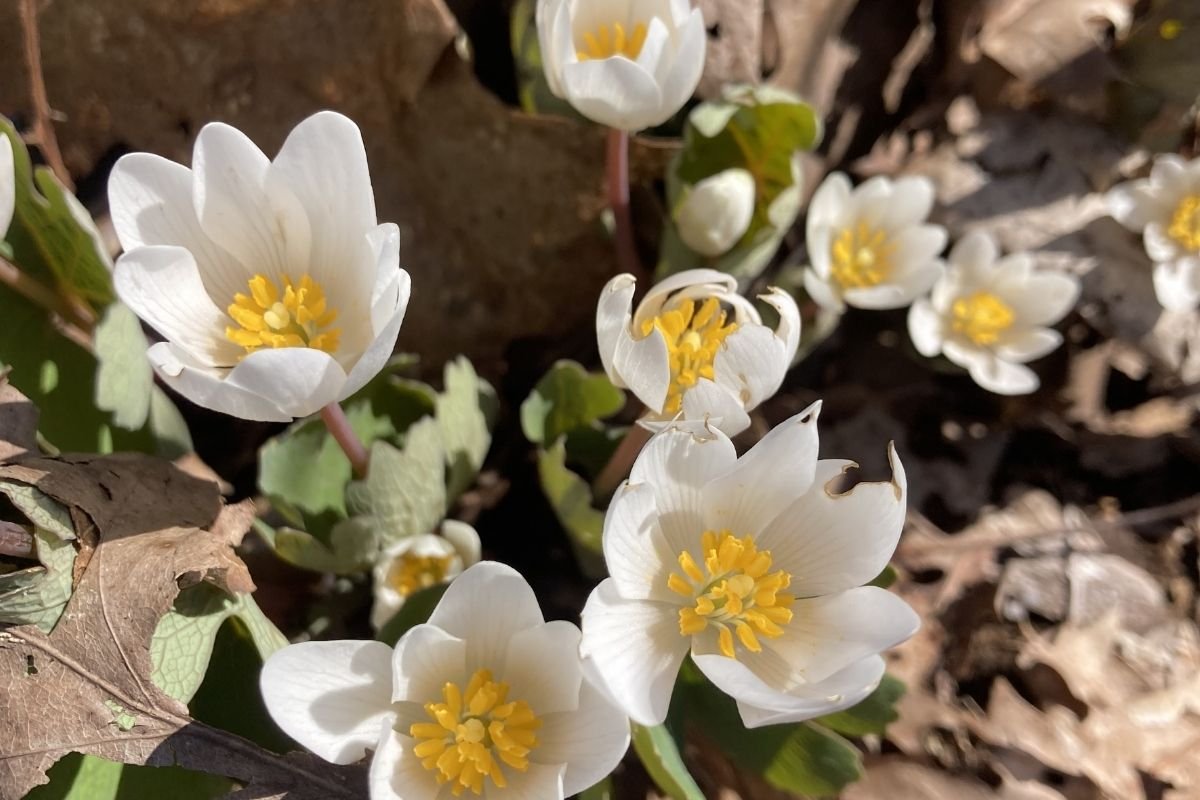
Blood-root (Sanguinaria canadensis)
Blue lobelia (Lobelia siphilitica)
Blue-wood aster (Symphyotrichum cordifolium)
Doll's eyes; white baneberry (Actaea pachypoda)
False Solomon’s Seal Maianthemum racemosum (syn. Smilacina racemosa)
Foam-flower (Tiarella cordifolia)
Golden groundsel (Packera aurea)
Jack-in-the-pulpit (Arisaema triphyllum)
Red baneberry (Actaea rubra)
Solomon’s seal (Polygonatum biflorum)
Violets Viola species
White snakeroot (Ageratina altissima)
White wood aster (Eurybia divaricata)
Wild ginger (Asarum canadense)
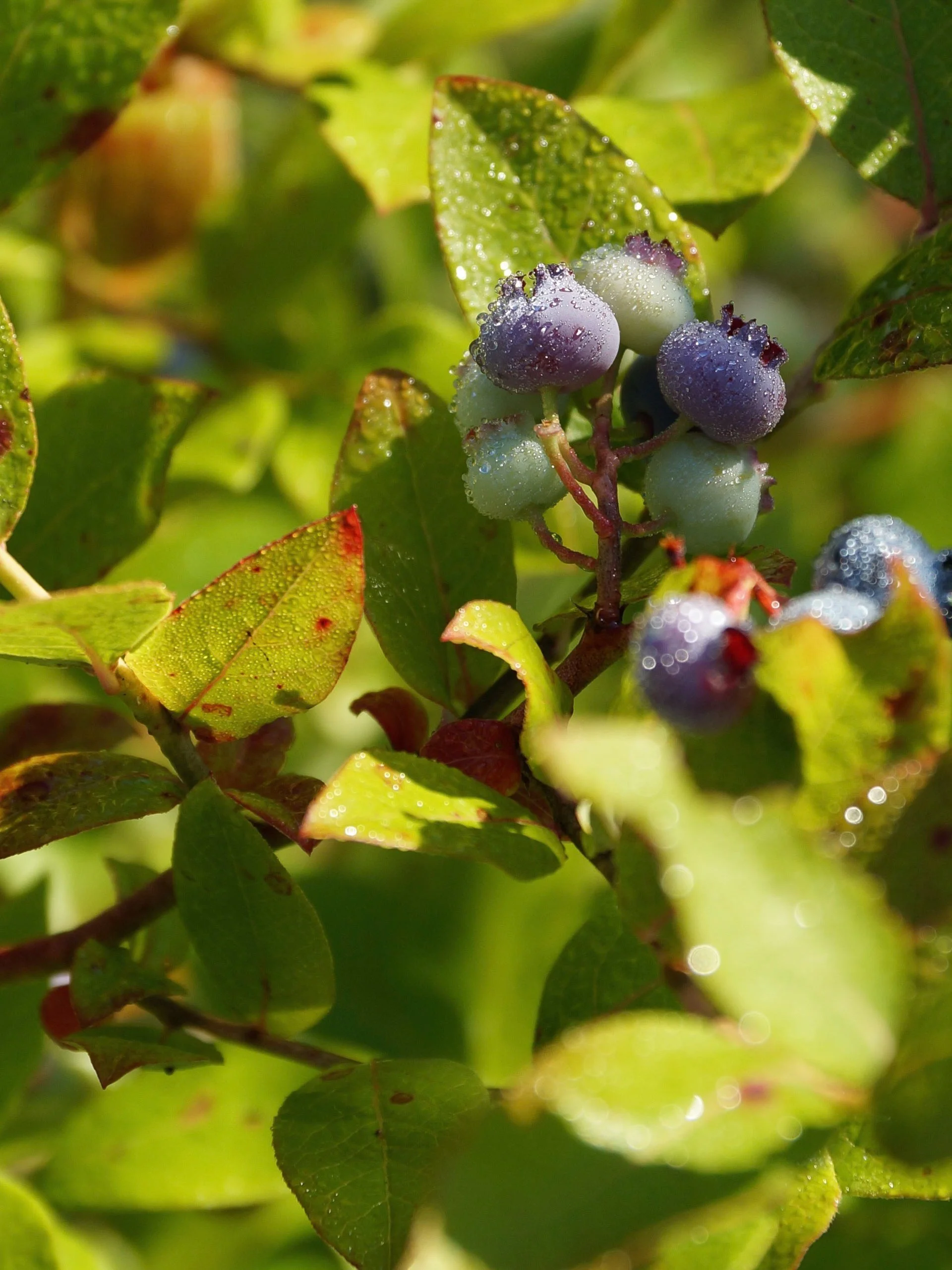
Maine’s iconic wild blueberry is adapted to the shady conditions of the forest understory.
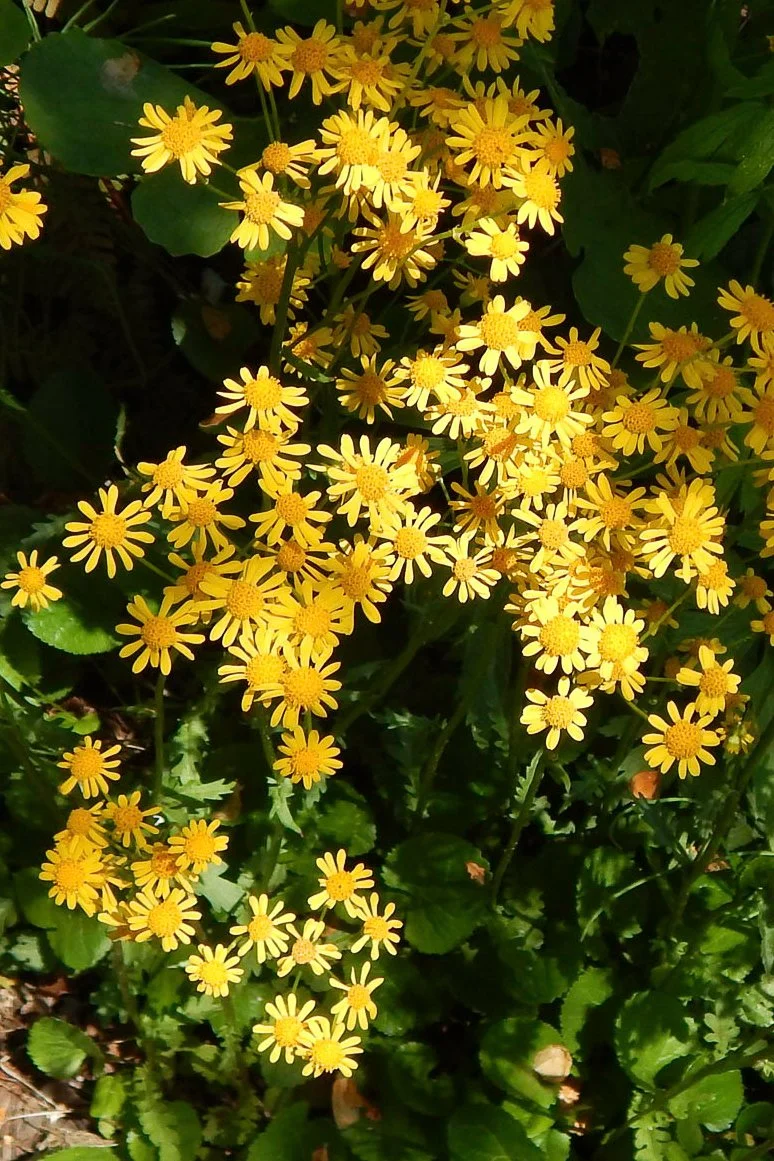
Golden groundsel (Packera aurea) produces vibrant yellow flowers even in deep shade.
Understory Trees and Shrubs
Goosefoot (Striped) maple Acer pensylvanicum
American Hornbeam Carpinus caroliniana
Bush honeysuckle Diervilla lonicera
Witch-hazel Hamamelis virginiana
Spicebush Lindera benzoin
American honeysuckle Lonicera canadensis
Viburnums Viburnum acerfolium, V. lantanoides
Blueberry Vaccinium angustifolium, V. coryumbosum

Ferns
Christmas fern; New York Fern; Lady Fern; Maidenhair Fern; Royal fern
What plants thrive in the shade?
The Eastern deciduous forest biome that stretches from Canada to Georgia is the world’s richest temperate woodland ecosystem with a diverse mix of plants that thrive in the shade of the canopy trees. Maine is part of the transition zone between the Eastern deciduous forest to the South and the boreal forest to the North.
Canopy trees include deciduous oak, maple, birch, beech, bass, and ash, and coniferous evergreens of hemlock, spruce, fir and pines. The ground layer of the woodland understory holds most botanical biodiversity. Wildflowers, ferns, small shrubs, understory trees and juvenile canopy trees all make a rich tapestry that is beautiful as well as biologically dynamic. Many of these plants are easy to grow and will thrive in shady locations in urban and suburban landscapes.

Their attention to detail and commitment to quality truly stood out. We’ve already recommended them to others.
—Former Customer