
Why pots?
by Caitlin Marshall
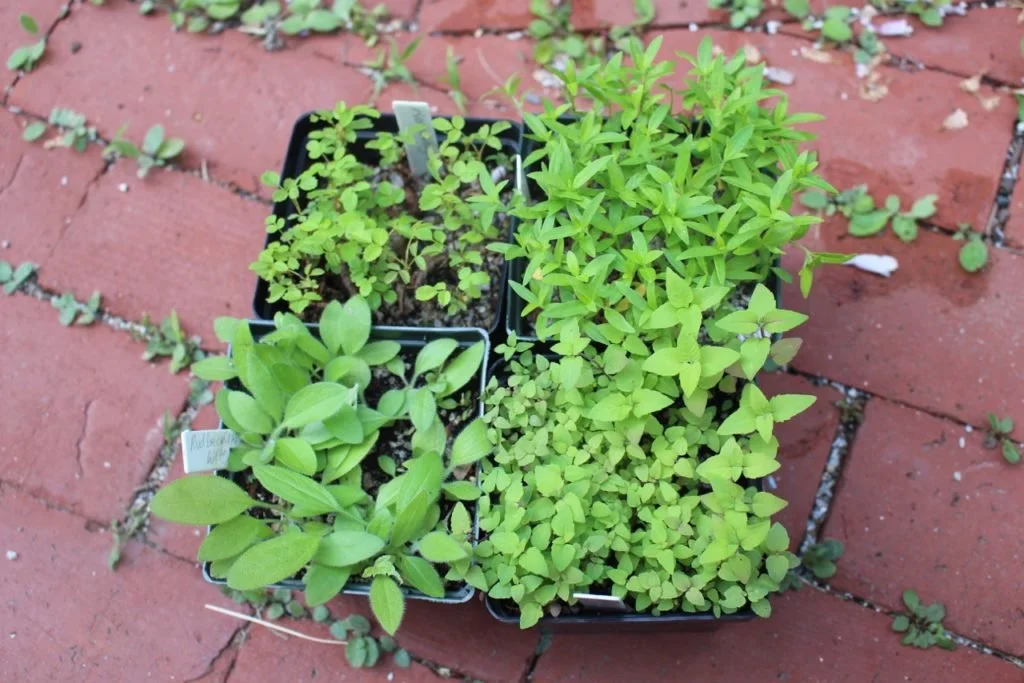
One of our most-asked questions is: can I just toss these seeds on the ground? It’s a great question. After all, the plants you encounter on a hike in the woods didn’t start in pots. They arrived by wind or animal or water, found the right conditions, and started growing.
The truth is, the chances of any one seed making it to adulthood are actually quite slim. For every plant you see blooming trailside, dozens to hundreds or even thousands of others never got started: those seeds were blown onto a rock, or eaten by a bird, or washed down into a stream.
Starting native seeds in small plastic pots, protected with wire mesh or old window screen, gives them an easier start in life. It’s still important that they be left outside, to experience the cold and wet they’re adapted to, but a nursery of pots adds protection and is easy to tend.
Protection from animals
One of the things we love most about native plants is how connected they are to all the life we live among. Serving as the base of our local food webs, their nectar and pollen feed pollinators, their leaves feed caterpillars that feed birds – and the seeds feed insects, birds, rodents and mammals. Seeds and fruits are especially important food sources through the lean winter months. But that also means the seeds you sow are a delicious offering to your neighborhood creatures! Planting seeds into pots with hard sides, and protected with wire mesh, keeps them out of hungry mouths. (And in the long run, the plants they grow into will produce many, many more seeds to feed wildlife throughout their lifetimes.)
Protection from rain and wind
Many species, like asters, goldenrods and milkweeds, naturally disperse by wind. Many kinds of seeds are likely to wash away or land somewhere inhospitable in heavy rains. Planting into pots keeps seeds in place until they germinate and develop roots.
Protection from competition
Existing, established plants are all jostling for water, light and nutrients. Even a freshly cleared area will have some seeds already banked in the soil – and those eager, early establishers often excel at growing quickly to shade out others. Starting a batch of seeds in their own pot frees them from competition during their very earliest phase of life. This can be especially helpful for species that are slow to germinate or slow to grow.
Easy to water
Starting seeds in a set of little pots is helpful to you as a gardener, too. Native seeds will get all the moisture they need over the winter from snow, sleet and rain. Once the weather warms up in spring, they will need to be consistently watered throughout the growing season so they don’t dry out. A cluster of pots is easy to give a quick douse from a watering can, and is easier to remember than patches around the yard.
Easy to move
All winter-sown seeds start well in the shade. Once they start growing, those that need more sun can be moved into more light. Pots can also be separated by watering needs.
Easy to gift!
Find yourself with an abundance of baby plants? Small pots are very easy to gift to a friend or neighbor, too.
And of course, you can still broadcast
All that said, broadcast seeding directly onto the ground is still an option, too. If you have an especially large, open area, such as brought-in topsoil after new construction, or a space you’ve cleared by smothering the grass, broadcast seeding would be a good choice. You’ll want to purchase a large enough quantity to allow for some loss to animals and weather. When broadcasting, be sure to mix with sand or another filler to help distribute the seeds evenly, and prevent them from washing away completely. Read more about How to Make a Meadow when starting with cleared land.
If you’re a home gardener, simply getting started with a few seed packets in pots is an easy, reliable way to bring more biodiversity to the places you live, work and play.
Now you know why, let’s dive into how: For step by step instructions on sowing seeds into pots, read Autumn & Winter Seed Sowing in Six Easy Steps, watch our online seed sowing workshop, or join us for an in-person seed sowing workshop! Workshops are held in the Southern Maine region throughout the fall and winter, and listed on our events page.