
Building Biodiverse & Climate-Resilient Habitats
Building biodiverse and climate resilient habitats requires a deliberate shift from human-centered, intensively managed landscapes to a model of reciprocity, balance, and care. It is an intentional practice of restoring native plants in urban, suburban, and rural landscapes to reverse habitat loss, support ecosystem services, and bring nature back into our daily lives.
Building biodiverse and climate resilient habitats begins with recognizing native plants as the basis of the local food web. Native plants are essential for populations of insects that in turn support birds, which serve as the bellwether of ecological health and resiliency. Recent research by Conservation Scientist Desirée Narango and co-authors at the University of Delaware demonstrates that for a place to support a diversity of life, native plant species must represent at least 70% of the biomass in the landscape. Below this critical threshold, food webs collapse and habitats unravel.
Understanding that such critical thresholds exist is one thing, but what does that look like, and how do we make that happen in practice? To restore biodiverse and climate resilient habitats, we suggest that native species comprise at least 70% of groundcover plantings, and 90% of shrub and tree plantings. By meeting this goal, we help ensure that native species make up the majority of the habitat in our landscapes, providing critical shelter and food for the wildlife we live among.
Reimagine cities and suburbs through the biodiversity lens
When reimagined through the biodiversity lens, the vast expanses of pavement and lawn in cities and suburbs can be transformed into habitat for both people and wildlife and help rekindle connection to place.
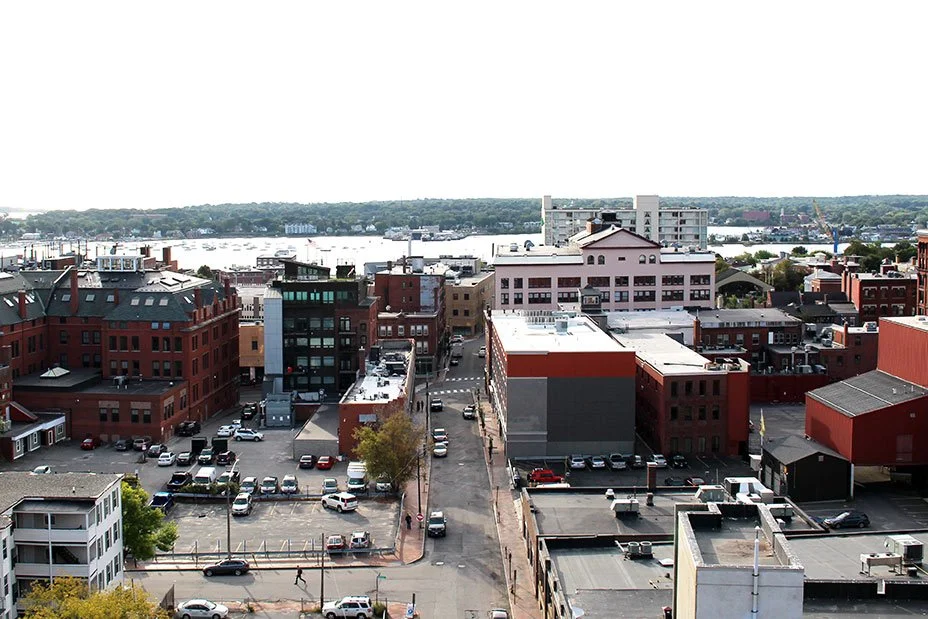
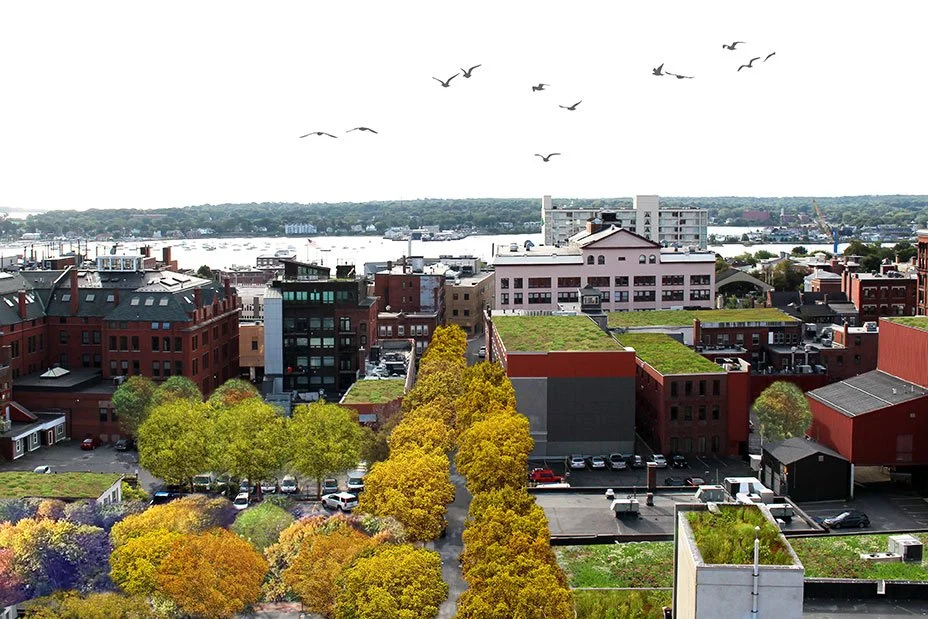
Portland, ME Reimagined: Native street trees cool the city, clean the air, store carbon, soak up water and support an abundance of insects and birds. Rendering by Julia Frederick.

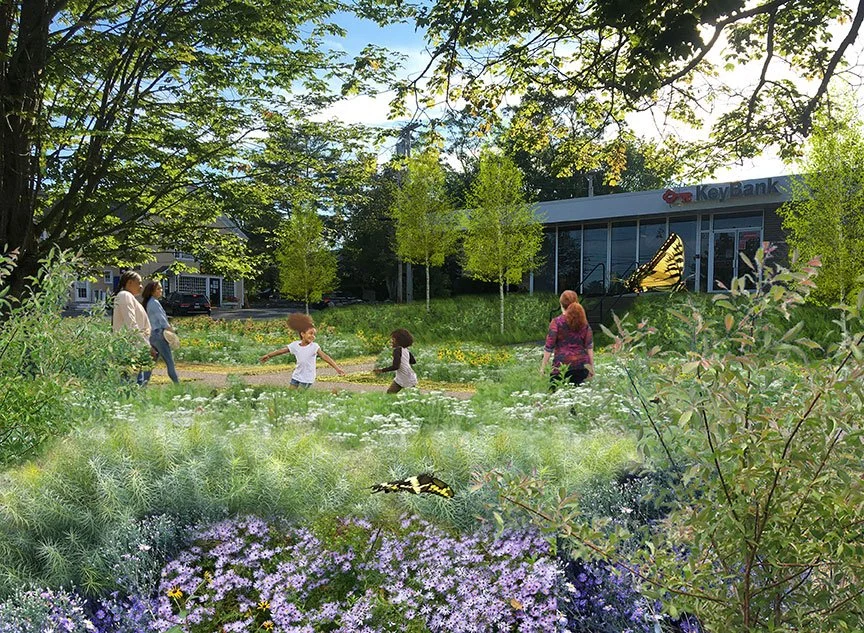
A bank’s empty lawn reimagined as a three-dimensional landscape with native trees, shrubs, and groundcovers for both people and wildlife to enjoy. Rendering by Julia Frederick, Landscape Architect.
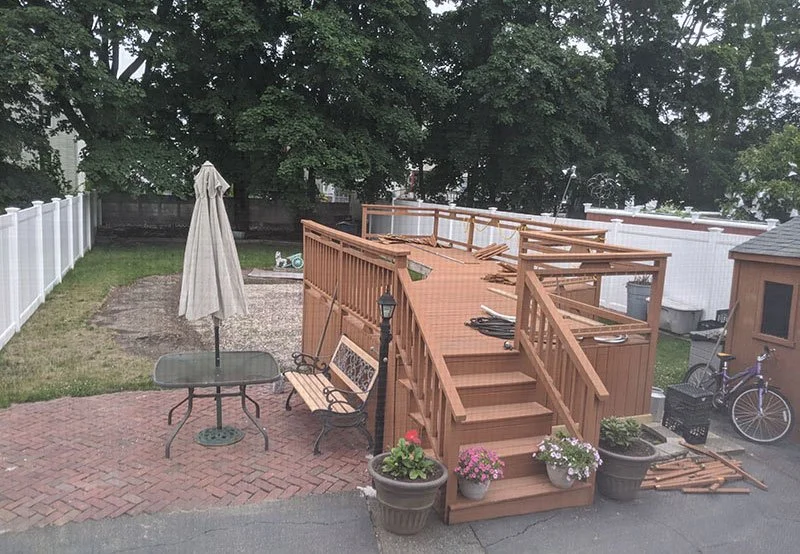
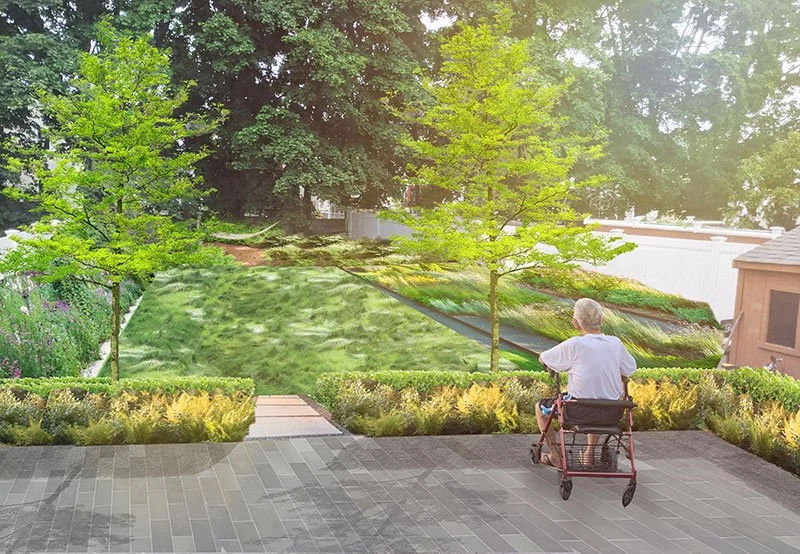
An urban backyard transformed into a verdant retreat for people and pollinators. Rendering by Ngoc Doan, designer and landscape photographer.


A suburban residence envisioned as a productive and edible landscape using native plants. Rendering by Jessica Alpert, Landscape Designer.
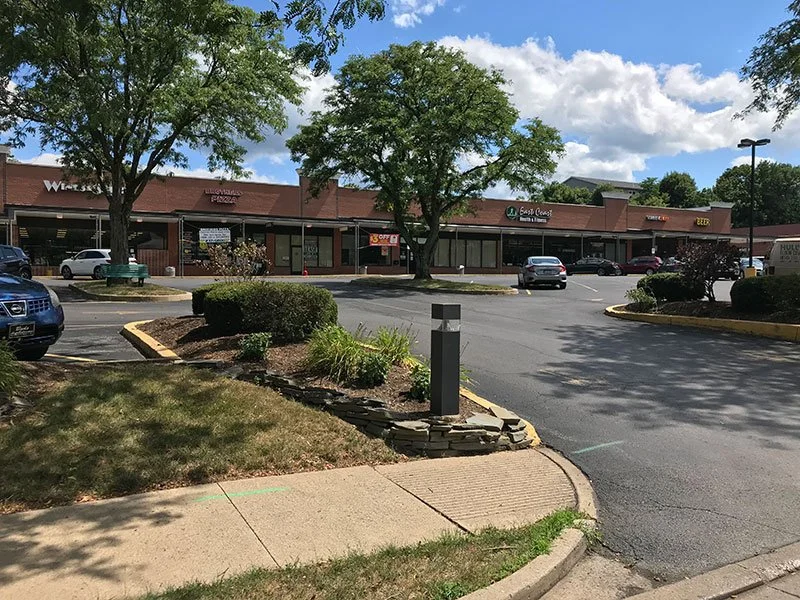
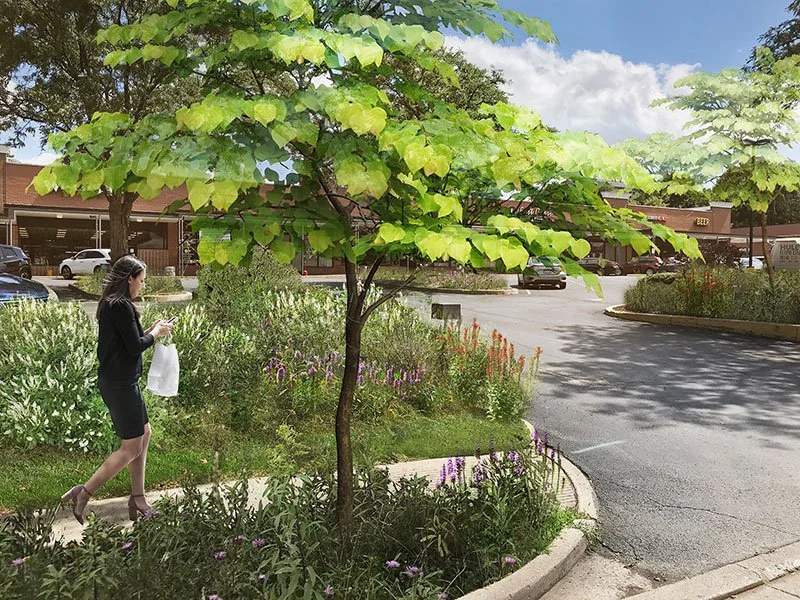
Native grasses, wildflowers, shrubs, and trees absorb rainwater and provide pollinator habitat while making a strip mall parking lot a more pleasant place to be. Rendering by Alec Spangler, Assistant Professor of Landscape Architecture at Penn State.
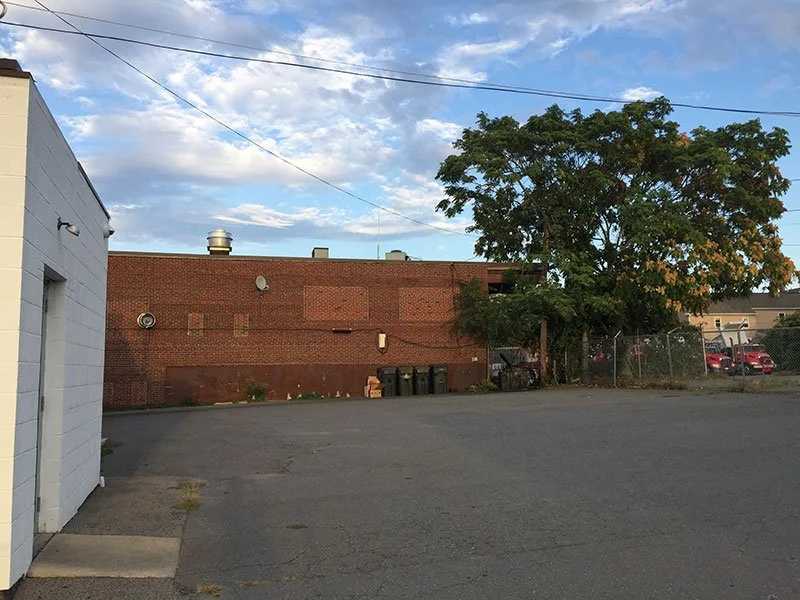

An empty parking lot behind a diner becomes a beloved neighborhood park. Rendering by Laura Gomez, Landscape Architect.
Plant native trees and shrubs
As biologist Doug Tallamy describes in his books ‘Bringing Nature Home’ and ‘Nature’s Best Hope’, native species of oaks, cherries, willows, birches, poplars, and elms support the widest variety of life. Since trees and shrubs produce such a large volume of leaves that insects rely on as a food source, they are in turn essential to feeding songbirds with a bounty of protein-rich caterpillars. The sheer amount of food and habitat that trees and shrubs provide wildlife underscores their critical importance in building biodiverse and climate resilient landscapes.
Shrink your lawn
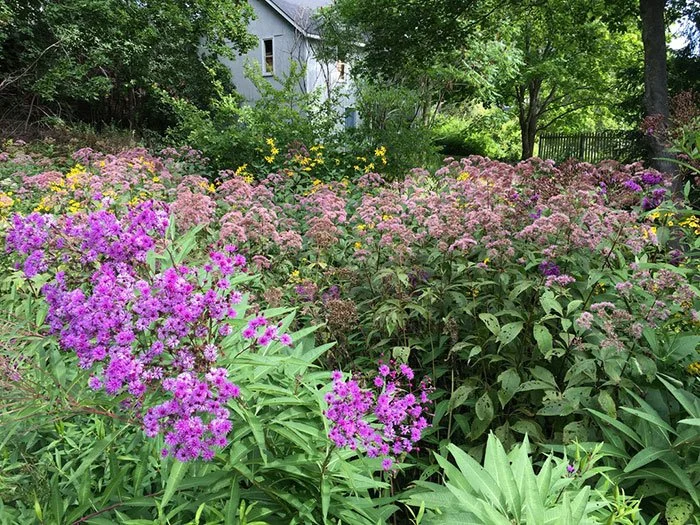
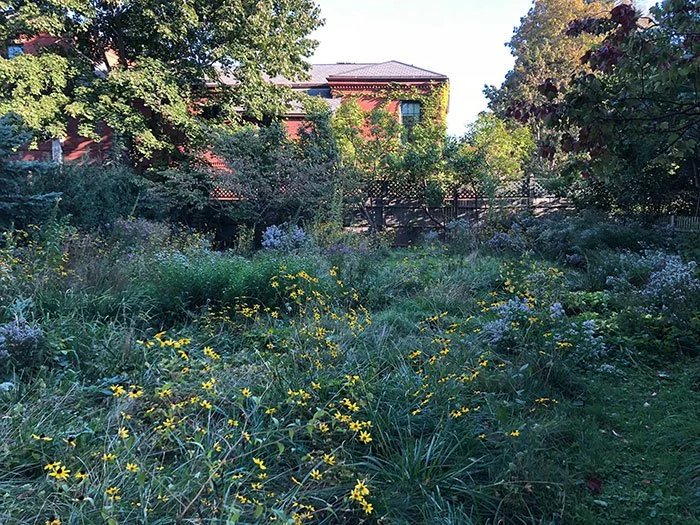
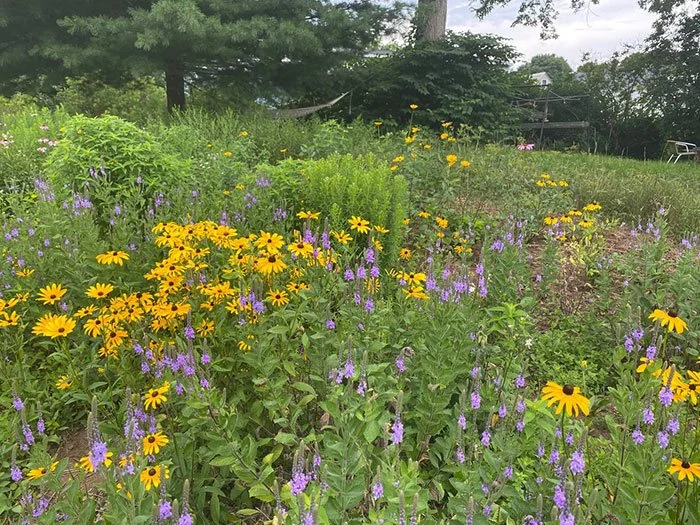
Rather than letting resource-sucking lawns dominate the bulk of our yards, they can instead be used sparingly and purposefully. Urban and suburban lawns could be mostly converted into meadows, or other types of layered plantings with trees, shrubs, and groundcovers to feed pollinators, birds, and other wildlife.

Preserve What’s Already There
Restoring native plants is not just about planting, but also preserving existing native vegetation. Sometimes mowing less or removing aggressive, introduced species is all that is needed to encourage native plants to make a comeback and return these landscapes to the vibrant species-rich places.
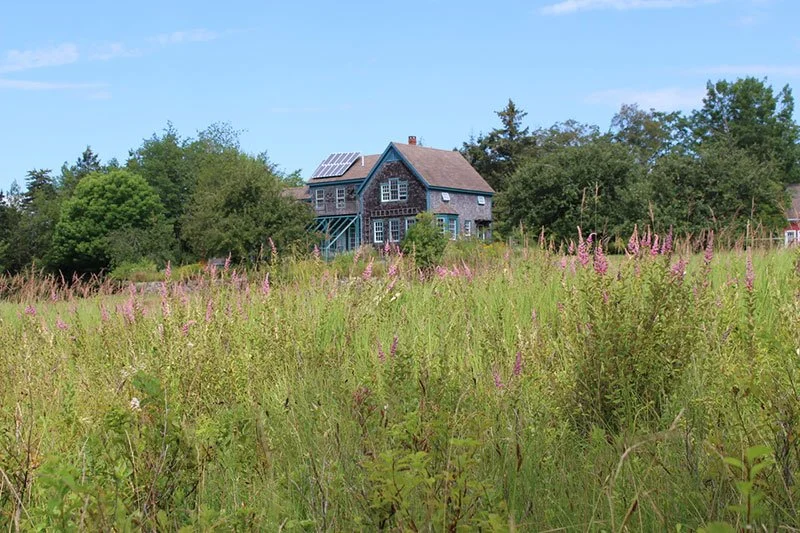
Native meadows, hedgerows, and woodlands on rural farmland support food systems for people and wildlife.

Preserving existing native trees, shrubs and groundcovers keeps critical biomass in the landscape and provides essential forage and shelter for insects, birds, and mammals.
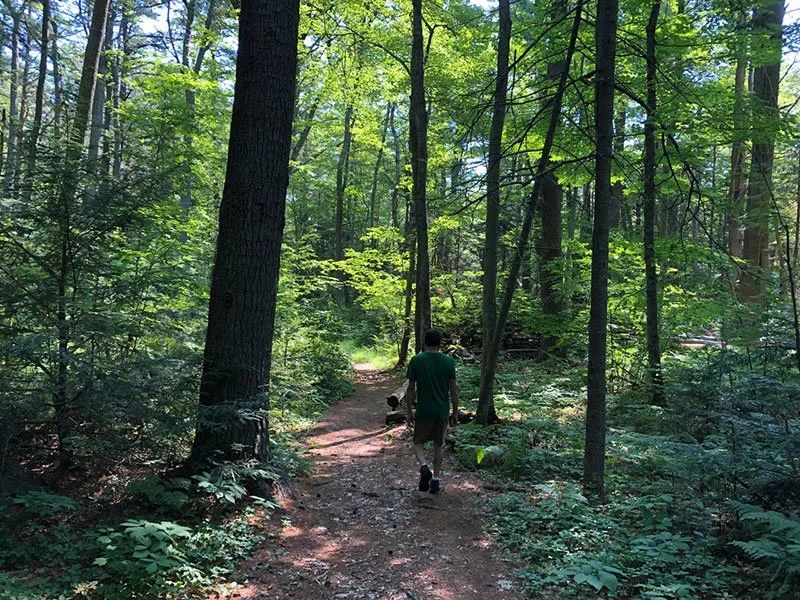
Existing woodlands are high value carbon sinks and support a wide variety of creatures as well as capture and store rainwater. Protect them.
Does it have to look natural to be biodiverse?
Biodiverse and climate resilient habitats can look intentional and ornamental while still providing essential ecosystem services. Well-defined edging and beautifully arranged textures, layers, flowers, and fruits set gardens apart from more natural spaces. They are made more ecologically supportive by adding a diversity of native plants and using more wildlife-friendly practices, like keeping natural leaf litter intact, and eliminating the use of pesticides and fertilizers. How we care for our gardens determines whether we can sustain and support the full life-cycles of butterflies, moths, bees, birds, salamanders, frogs, and many more forms of life.


No yard? No problem.
You don’t need land of your own to create biodiverse and climate resilient landscapes. Adopt a street tree to care for, tend a sidewalk hellstrip, display containers on your stoop, plant a window box with native wildflowers, encourage your favorite restaurant or place of business to add native plants to their outdoor spaces, or make your community garden plot a safe haven for butterflies and birds.
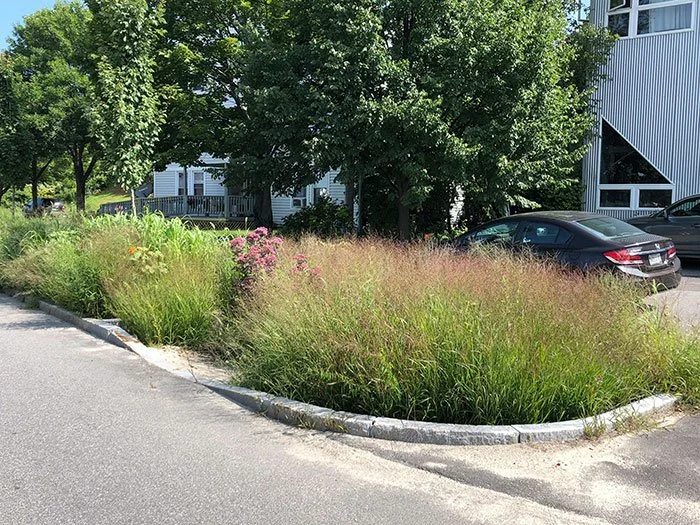
Switchgrass (Panicum virgatum) in the foreground with Joe Pye Weed (Eutrochium maculatum) in the background.
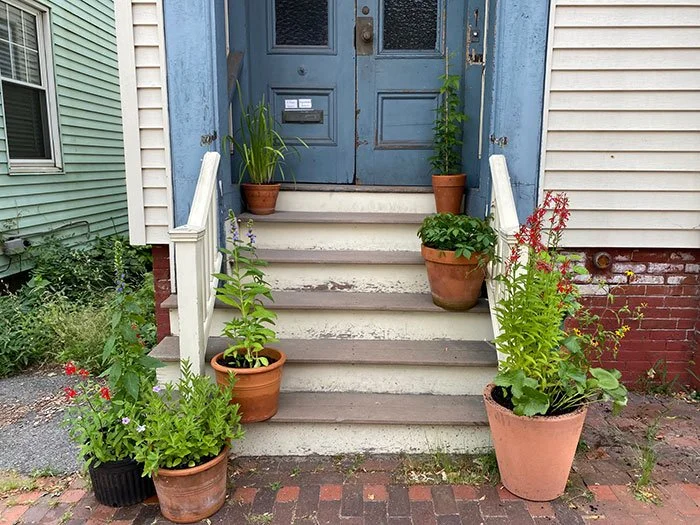
A small potted garden containing cardinal flower (Lobelia cardinalis), wild ginger (Asarum canadense)
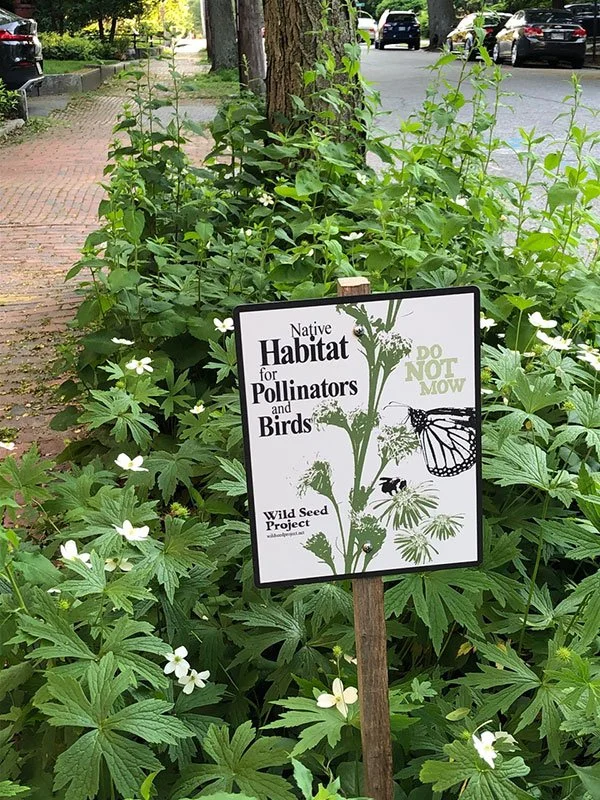
Canada anemone (Anemone canadensis) provides habitat in a hellstrip – the narrow space between the sidewalk and street curb.
Native habitat signs are available on Wild Seed Project’s online store.
Start a conversation
One way to spark conversation in your neighborhood is to put up a yard sign that offers insight into the work you are doing. Curious passersby will stop and ask questions if they like what they see. Share your story, and inspire your neighbors.
A note about “rewilding” and why we are no longer using the term:
This article started through a Wild Seed Project initiative centered around the term and concept “rewilding”, meant to frame a restoration process focused on a return of natural areas to an uncultivated state that existed prior to human intervention. It has become clear to us that this term and concept create harm in indigenous communities. “Rewilding” is a term of erasure and continues to emphasize the colonizer perspectives of power over the environment and the environment as a commodity that are at deep odds with indigenous knowledge and teaching. We are discontinuing the use of the term “rewilding” in favor of language such as “building biodiversity”, “creating climate resilient landscapes”, and “supporting healthy ecosystems”.
“Rewilding” and a goal of returning to an environment free of human interference miss the key reality that people, and particularly indigenous people, have been interacting with and managing landscapes for millenia. What we at Wild Seed Project are actually promoting is the creation of balanced ecosystems that de-center colonial settler perspectives of human control over the environment and the myth of the pre-colonial wilderness. We invite you to join us in this intentional shift in language and the accompanying self-reflection and personal learning.
Further Reading
Bringing Nature Home and Nature’s Best Hope by Douglas Tallamy.
To learn more about the importance of native plants for habitat quality, read this recent study by Narango et al. (2018).