
Resource Library
Learn the why, when and how of planting for biodiversity and resilience, from the principles of ecological gardening to step by step how to guides.
Featured Resources


All Resources
Search by keyword or browse by category to explore our full catalog of resources.
Keyword search:
Filter by:
Category
- Biodiversity 101
- Ecological Gardening
- Garden Design
- How To Guide
- Introduced Species
- Native Ferns
- Native Grasses
- Native Groundcovers
- Native Shrubs and Trees
- Native Wildflowers
- Partnerships
- Plant List
- Plant Profile
- Pollinators
- Schools
- Season - Autumn
- Season - Spring
- Season - Summer
- Season - Winter
- Seed Sowing
- Shady
- Sunny

An interview with member Beverly Lytwyn
We love getting to hear from our members, and we thought you might like to hear from each other, too! Here's Beverly Lytwyn, a longtime Wild Seed Project supporter …

An Interview with Member Doug Swartz
We love getting to hear from our members, and we thought you might like to hear from each other, too! Here’s Doug Swartz, an enthusiastic gardener, birder and Wild Seed Project supporter…

Wild-Type Plants vs Nativars: Which is better for pollinators?
Since wild-type plants are grown from wild seed, they have a representative mix of the genes present in wild populations of the parent plants. Nativars on the other hand, are typically cloned plants, so each one is genetically identical …

Provenance and Propagation
I wish I could tell you that all I had to do was head down to my local garden center to purchase these natives, but the truth is …

The Disconnect Between Garden Aesthetics and Local Ecology
The difference between a weed and a plant, in other words, boils down to human preference. And our personal preferences aren’t always good ecological choices …
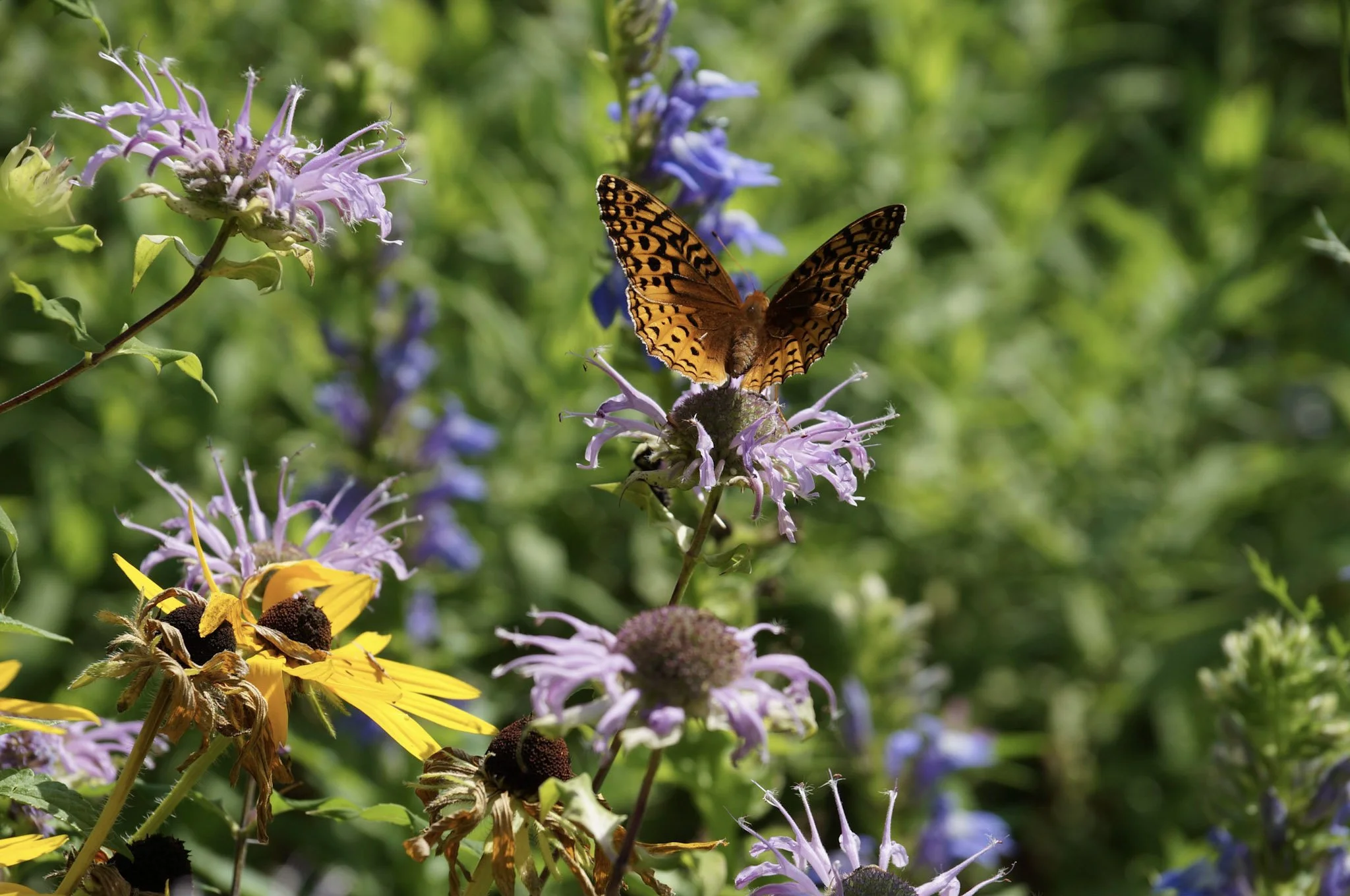
Why Native Plants Matter
As we face the unprecedented, urgent, and entwined challenges of the climate crisis and biodiversity loss, native plants grown from seed …
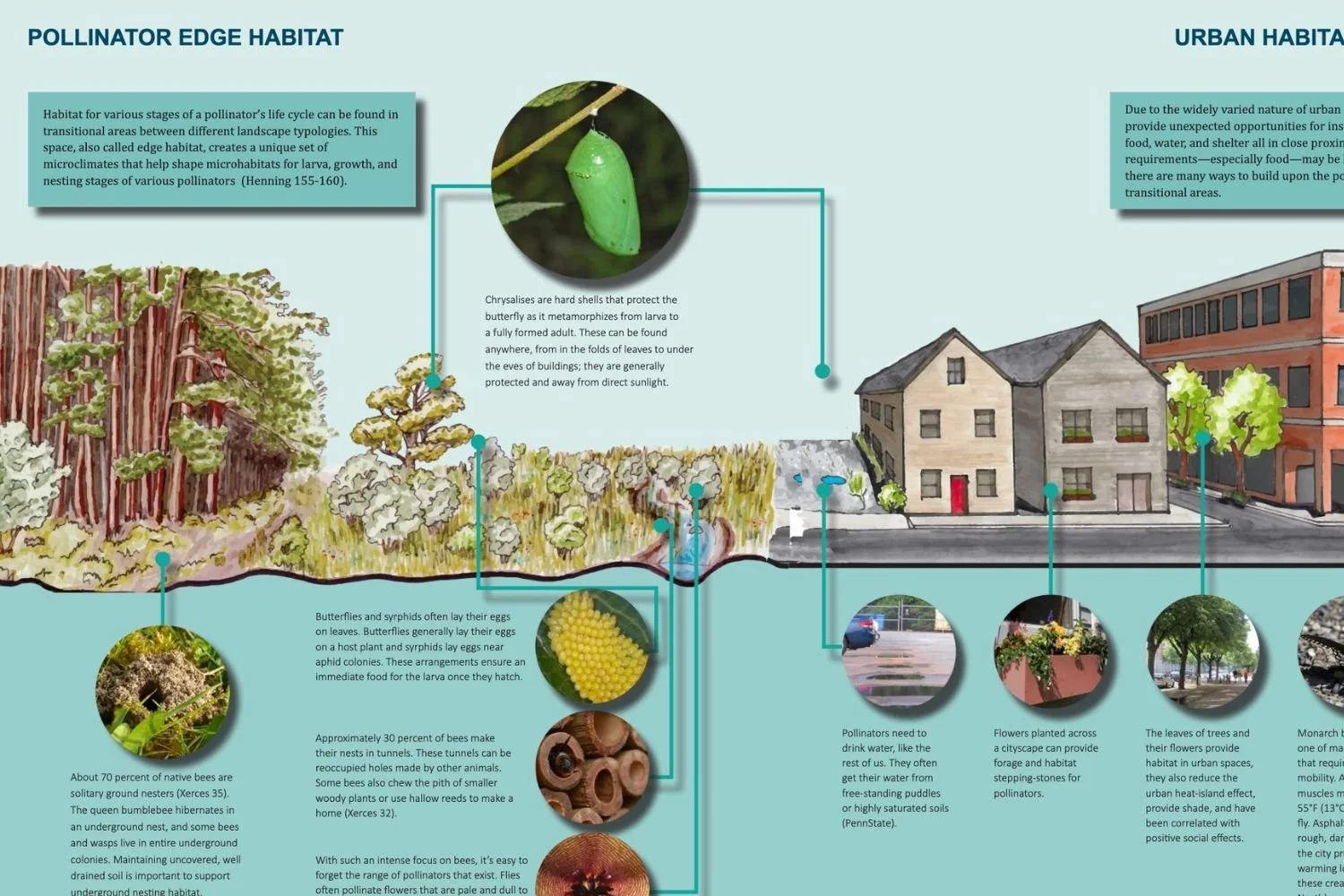
Portland Pollinator Vision Plan
In the winter of 2015, Wild Seed Project engaged the Conway School of Landscape Design to conduct a research project focused on a city-wide pollinator corridor for Portland …

Leave the Leaves!
Autumn is when many of us typically think of putting our gardens to bed by removing leaves and cutting back perennials. However, to truly support living creatures year round, it’s much better to leave fallen leaves …
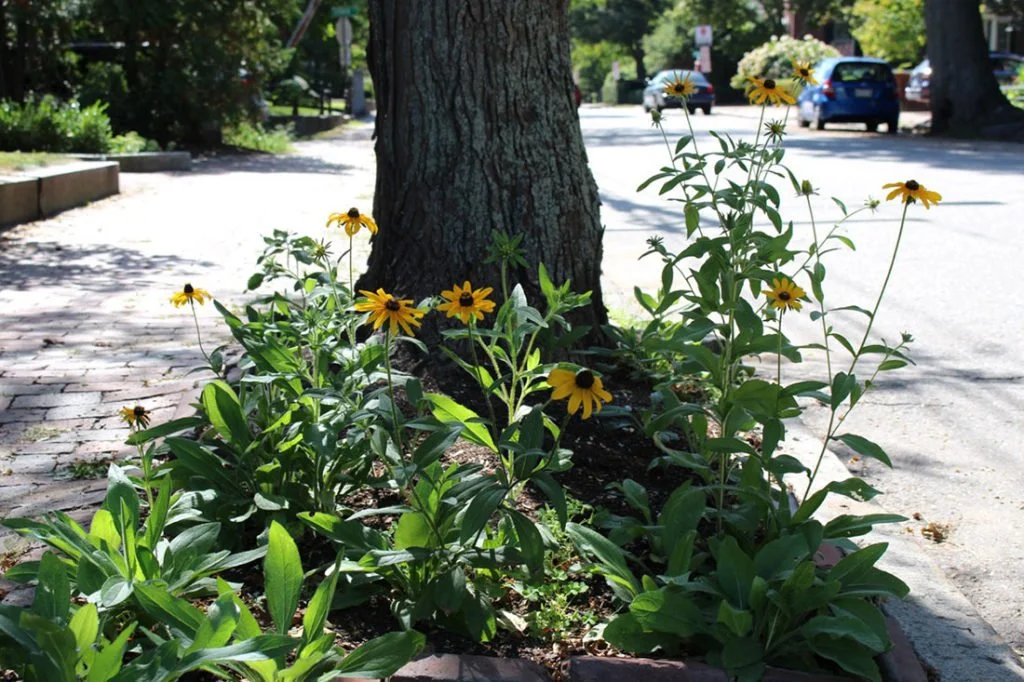
Hellstrip Plantings
Let us reclaim this forgotten territory and create some native habitat that will cool ground temperatures, absorb and filter rainwater, support pollinators, and bring a smile …

Wasps: The Underappreciated Pollinators
Wasps are among the gardener’s best friends, and they deserve our protection. At the forefront of consuming caterpillars and other insect larvae in the garden and wild landscapes are various predatory wasps…
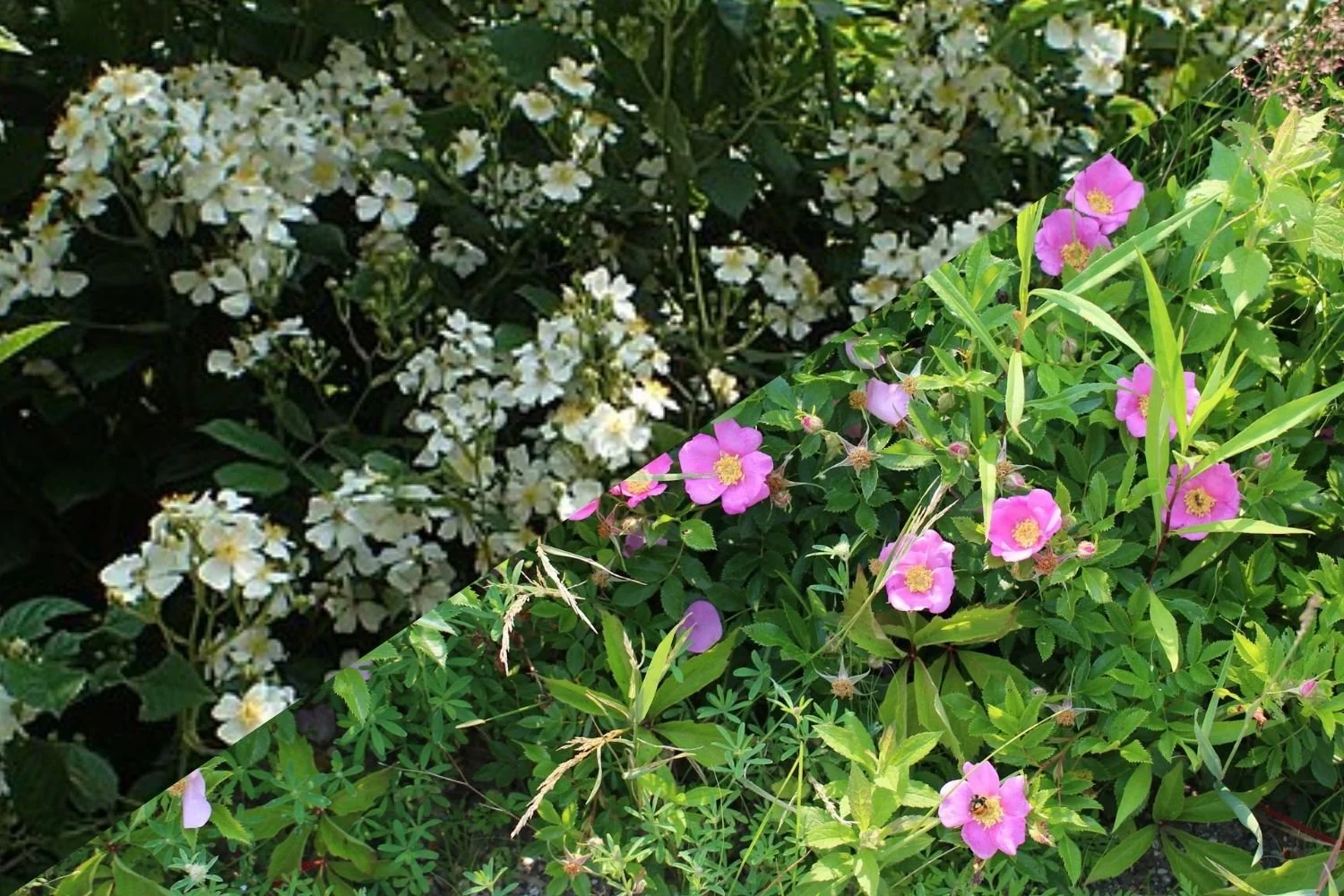
Invasive Plants and Maine’s Ecological Puzzle
Invasive plants are like pieces that just don’t fit right in Maine’s ecological puzzle. By crowding out native plants they leave holes in the food web and can exclude other pieces of the puzzle …
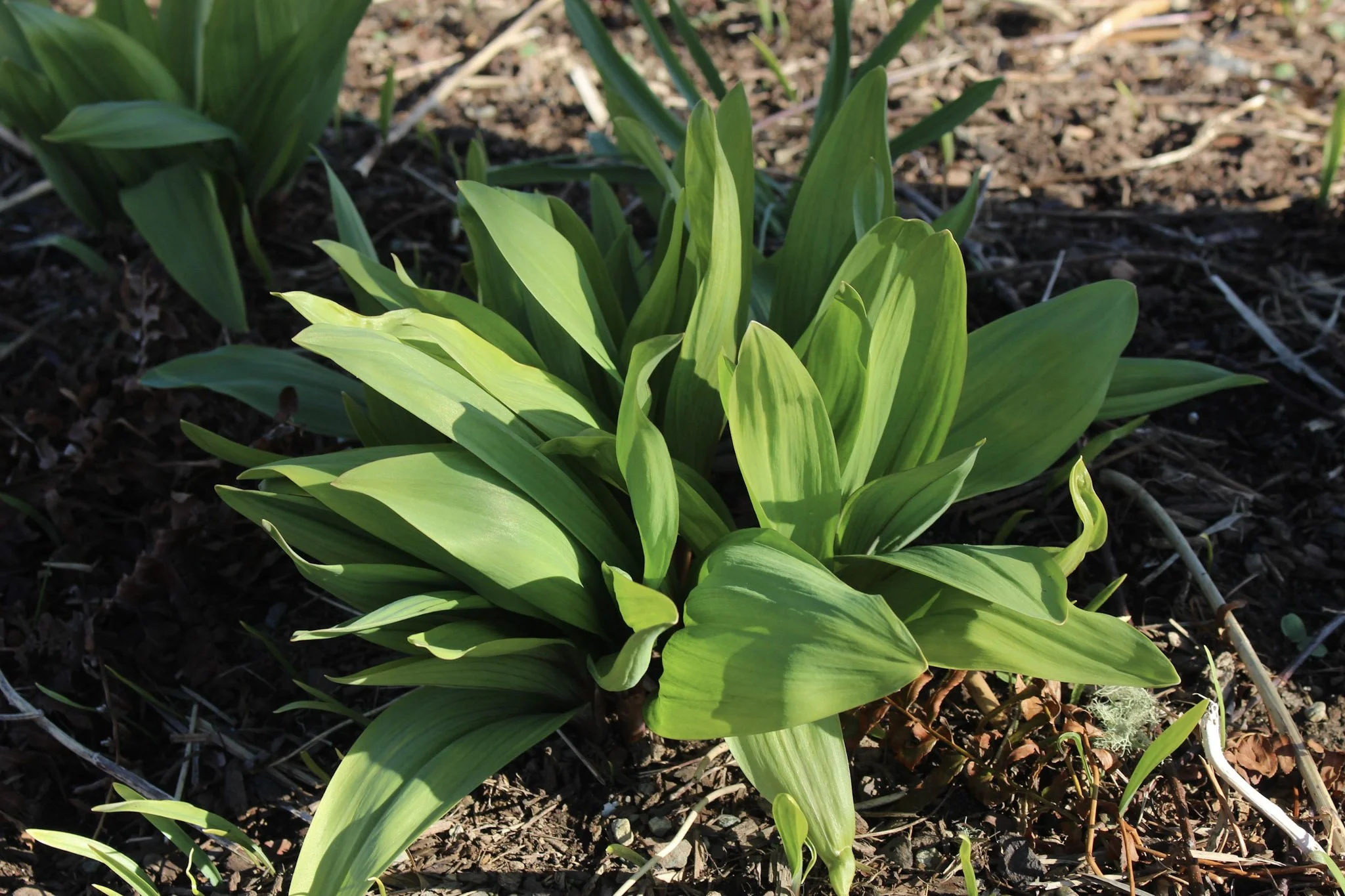
Native Edible Greens
Spring is a great time to taste some of Maine’s native plants that have edible leaves and shoots. Below are species that can be planted in your home landscape, transforming your experience with native plants …

Vines for Fences & Walls
With their roots in the earth and their stems twining upward, vines are a great solution where ground space is limited but vertical space is available. Choose a native species beloved by …
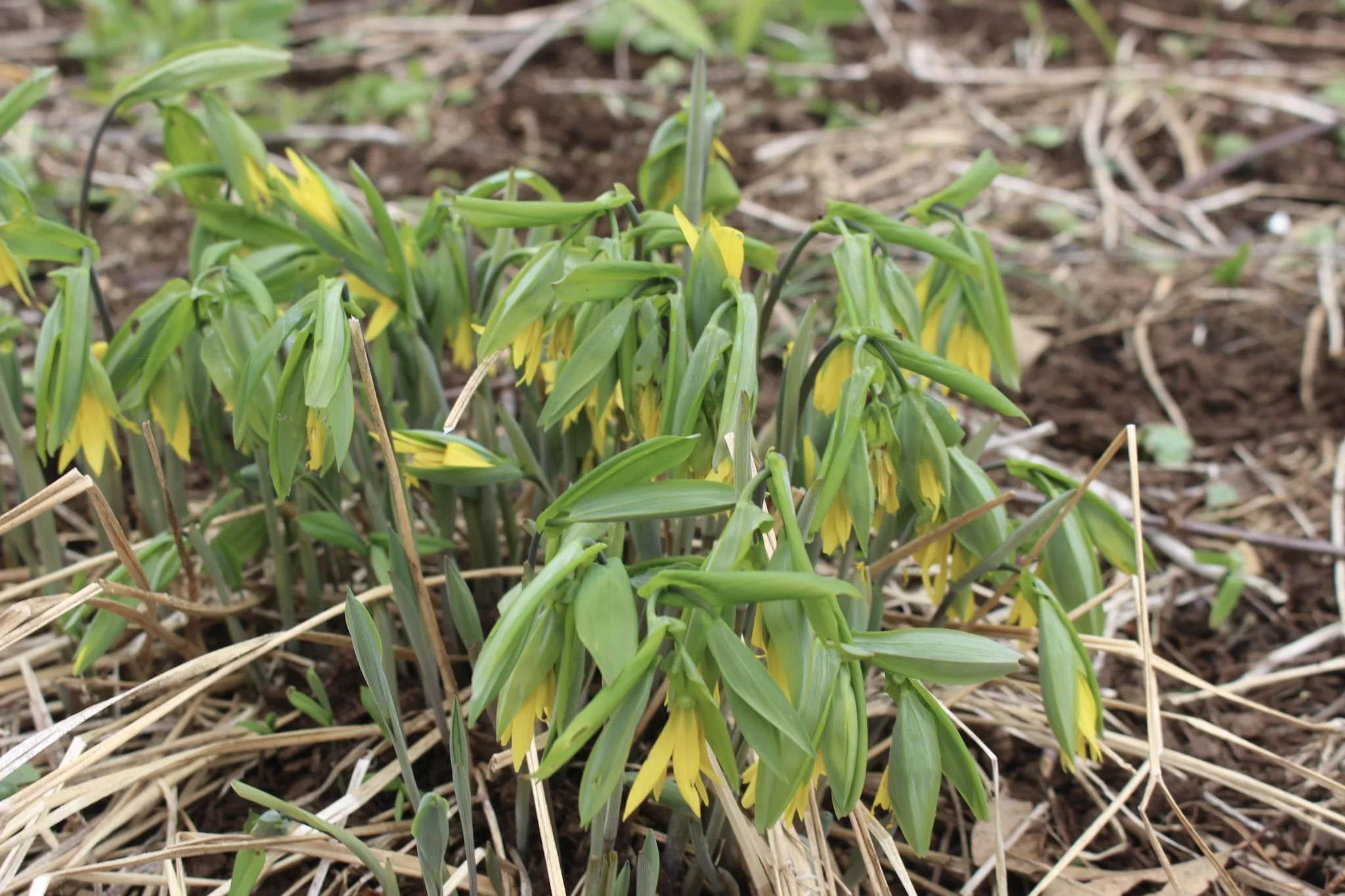
In the Shade: Gardening with Native Plants from the Woodland Understory
There are many beautiful and resilient plants from the woodland understory of eastern North America that can enliven a shady landscape …

Managing Meadows and Lawns for Biodiversity
If you want to support the native plants, pollinating insects, birds and many other creatures that make this habitat their home, changing your mowing routine will benefit native species while still preventing your meadow from reverting to forest …

Creating Native Plant Corridors on Farms
Native plant corridors attract pollinators and wildlife to your farm by stretching across your property to connect your piece of native habitat to nearby meadows, wetlands or woodlands. This creates a much larger area for native pollinators …
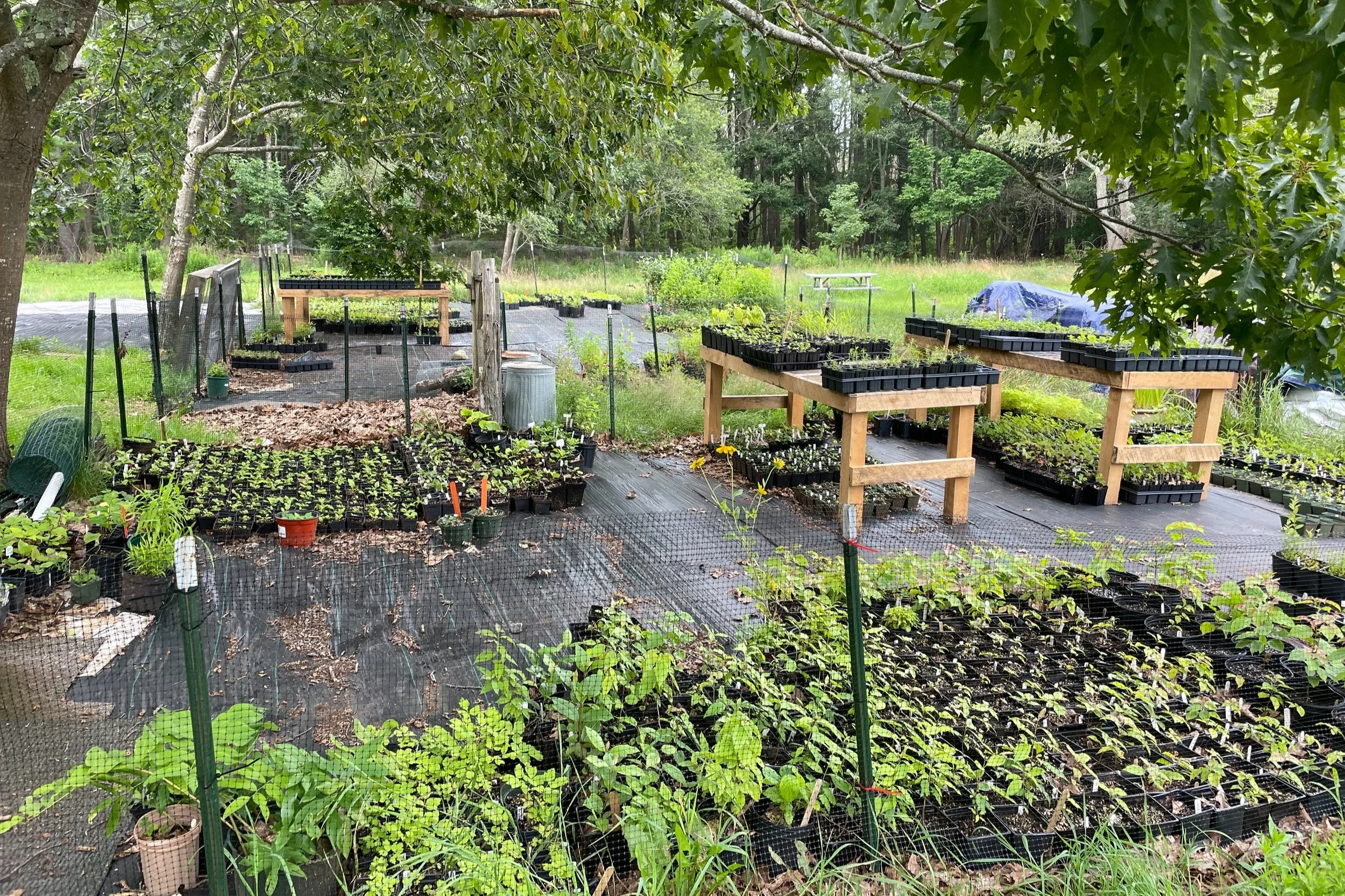
Establishing A Native Plant Nursery
You don’t need expensive or sophisticated facilities to start propagating native plants. Seeds can be sown outdoors in nursery beds, flats or pots. Native plants are adapted to the fluctuating temperatures of our Northeast climate. For many species, outdoor germination is often more successful …

Growing Ramps from Seed
Most people do not realize that the life cycle of this woodland wildflower is incredibly slow compared with commonly cultivated members of the onion family. For instance the common garden leek can grow from seed to full size in a single growing season. Ramp seeds can take a year or more to germinate, and the plants begin to flower only after seven years…
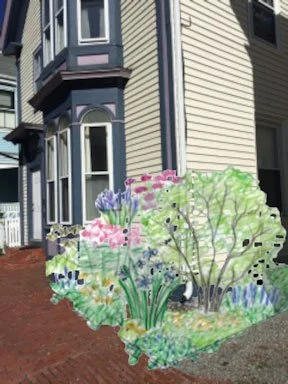
A Rain Garden at Your Downspout
The torrential downpours that the Northeast is experiencing with increasing frequency are a clear reminder that we need to make our landscapes more absorbent of precipitation …

Building Biodiverse & Climate-Resilient Habitats
Building biodiverse and climate resilient habitats require a deliberate shift from human-centered, intensively managed landscapes to humans sharing their lands with the rest of nature. It is an intentional practice of restoring native plants in urban, suburban, and rural landscapes to reverse habitat loss, support ecosystem services, and bring nature back into our daily lives. …