
Resource Library
Learn the why, when and how of planting for biodiversity and resilience, from the principles of ecological gardening to step by step how to guides.
Featured Resources


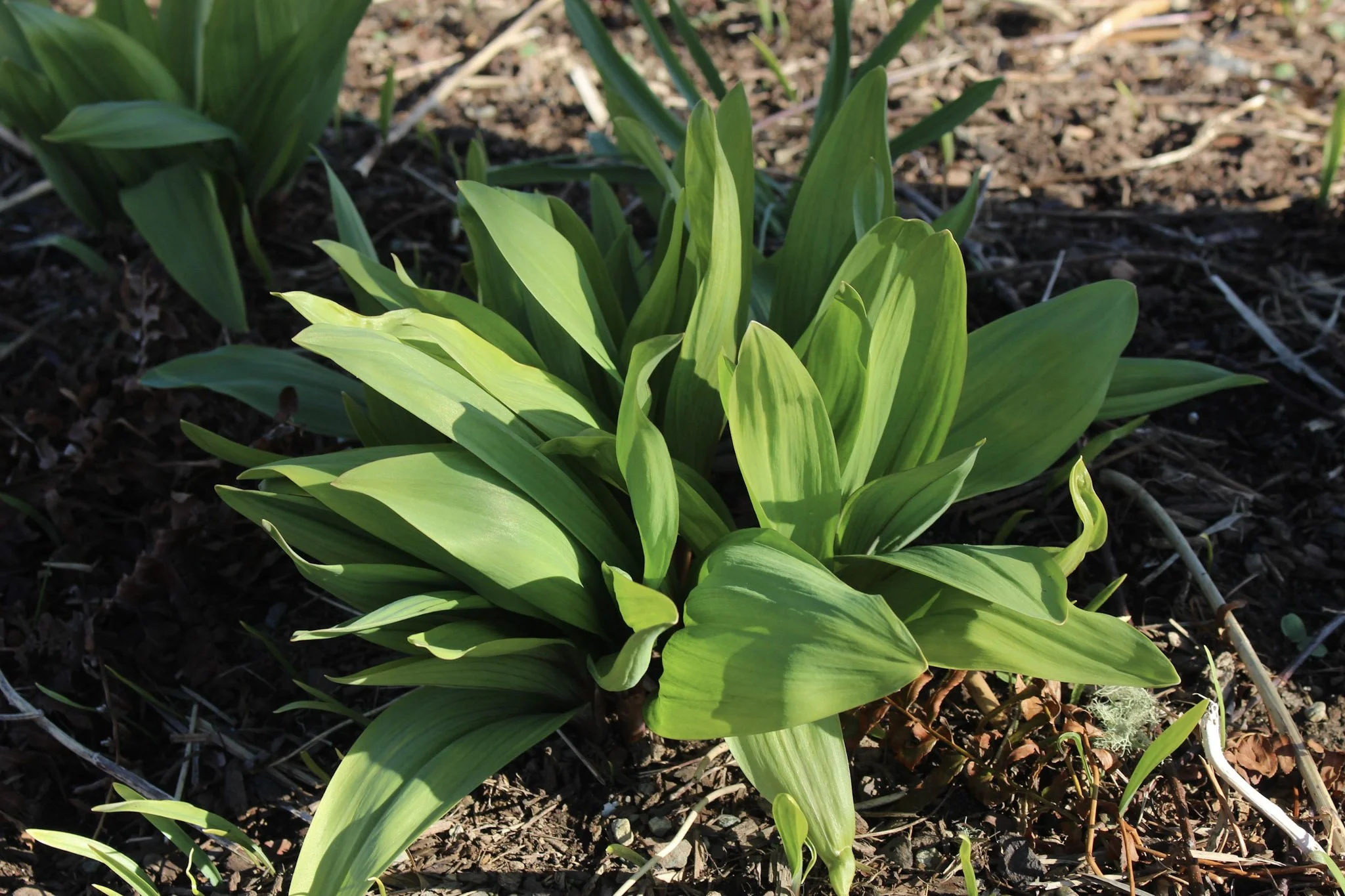

All Resources
Search by keyword or browse by category to explore our full catalog of resources.
Keyword search:
Filter by:
Category
- Biodiversity 101
- Ecological Gardening
- Garden Design
- How To Guide
- Introduced Species
- Native Ferns
- Native Grasses
- Native Groundcovers
- Native Shrubs and Trees
- Native Wildflowers
- Partnerships
- Plant List
- Plant Profile
- Pollinators
- Schools
- Season - Autumn
- Season - Spring
- Season - Summer
- Season - Winter
- Seed Sowing
- Shady
- Sunny

How to Sow Native Seeds in Fall and Winter
Sowing native seeds is easy! Six simple steps are outlined to get you started.

Flax-leaved stiff aster (Ionactis linariifolia)
Stiff aster has many common names, including “bristly aster,” for its spruce-like leaves that feel rough to the touch; “flax-leaved aster” for the leaves’ resemblance to flax; and “ankle aster” …

Red columbine (Aquilegia canadensis)
Red columbine (Aquilegia canadensis) is a beautiful and unique native plant. Delicate red and yellow flowers resemble tiny ballerinas …

Coastal Joe-Pye weed (Eutrochium dubium)
The dome-shaped pink blooms attract many pollinators, including bees, butterflies, and other beneficial insects who feast on its pollen and nectar …

Swamp Milkweed (Asclepias incarnata)
In the wild, swamp milkweed grows in wet meadows, marshes and along the shores of lakes and streams throughout the Northeast. Although a wetland plant, in the home garden it tolerates …
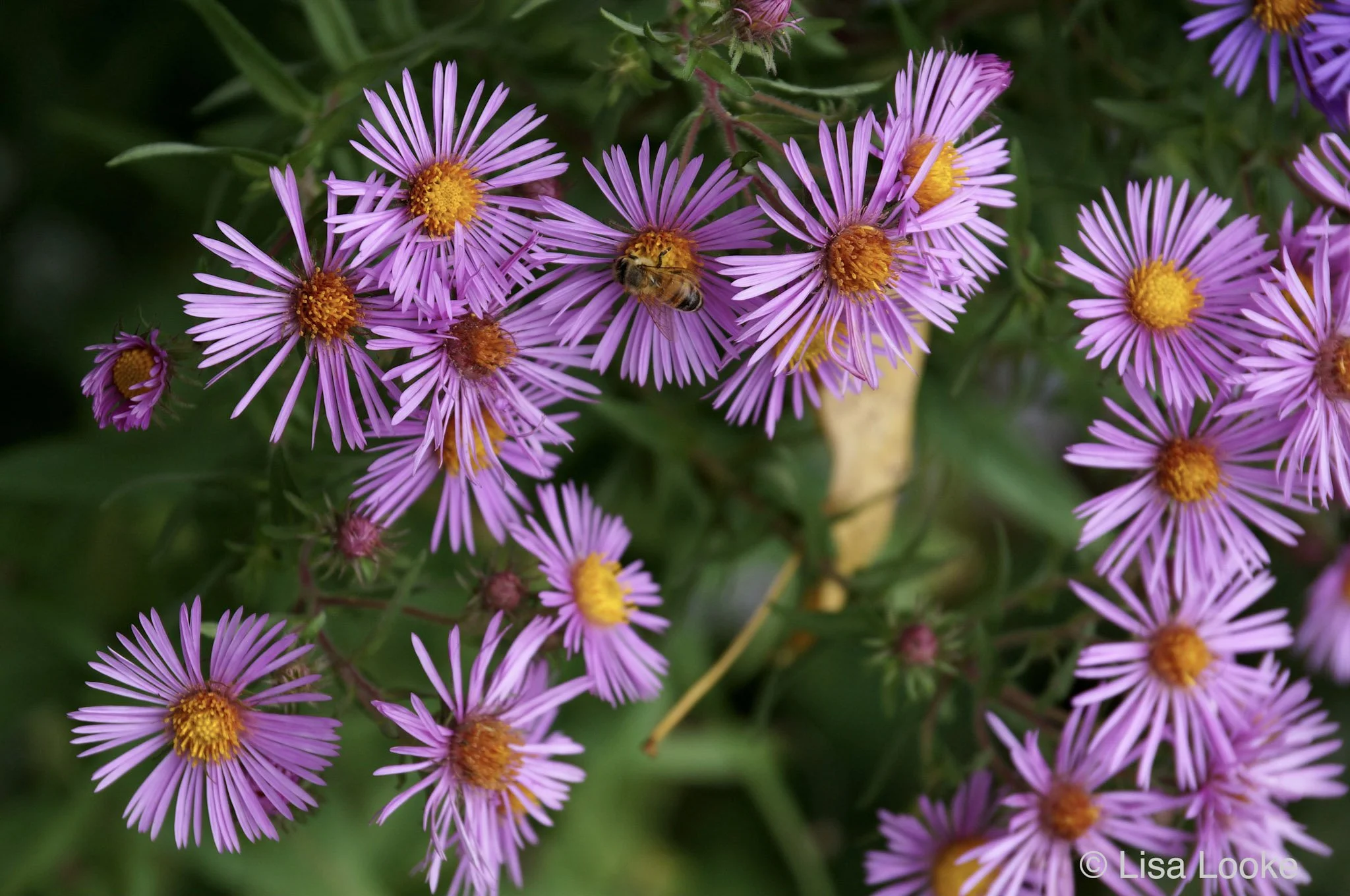
The Beauty and Pollinator Benefits of Asters and Goldenrods
Asters and goldenrods attract loads of late season pollinating insects. In the wintertime, they provide food and habitat for many birds and small animals that feast on the seeds and find shelter in the dried stalks. Research by entomologist Doug Tallamy …

Native Ground Covers for Beauty and Biodiversity at the Ground Level
Groundcovers are low-growing plants that fill in quickly to make a dense carpet of foliage. Once established, they’ll crowd out weeds, provide year-round protection to the soil, and offer …

Vines for Fences & Walls
With their roots in the earth and their stems twining upward, vines are a great solution where ground space is limited but vertical space is available. Choose a native species beloved by …
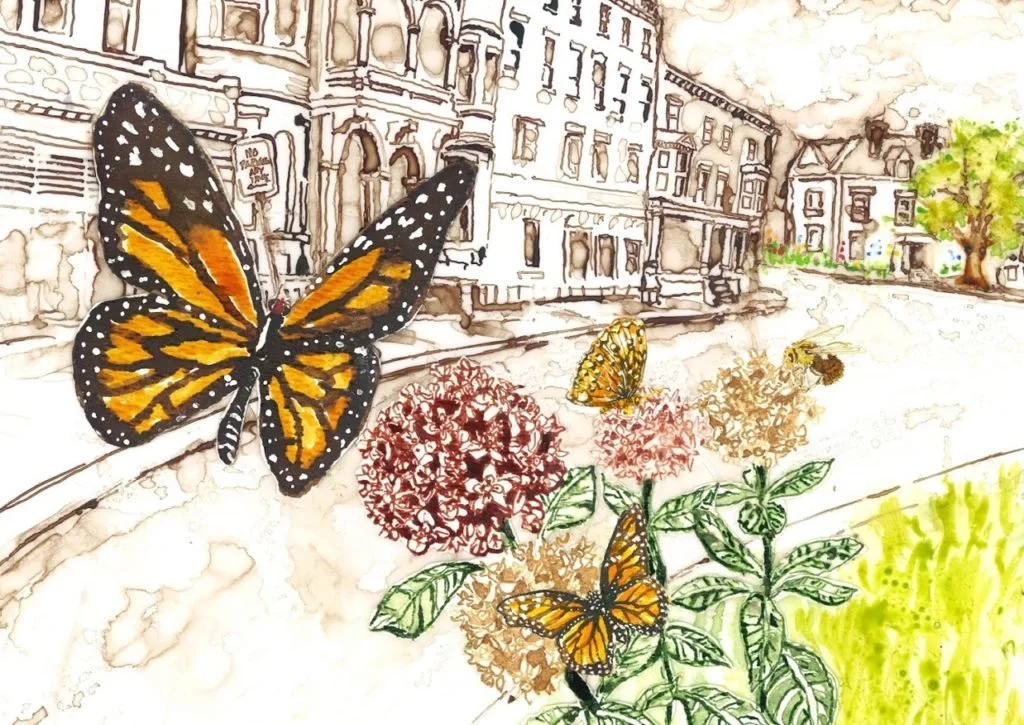
Monarchs and Milkweed
As we wait in hopeful anticipation for an increase in monarch butterfly populations, we can prepare for their arrival by planting native species that provide food and habitat for these beautiful creatures…
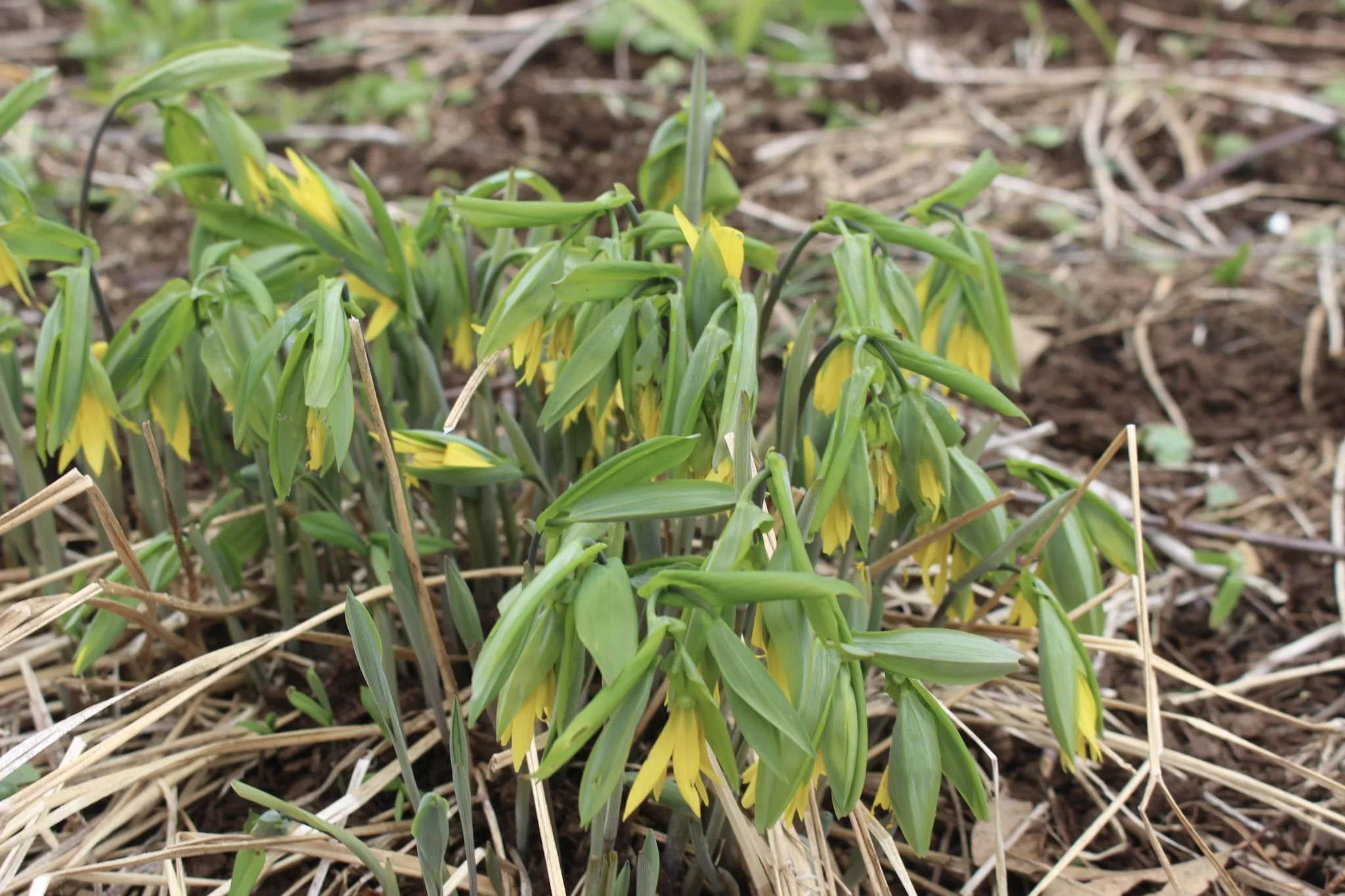
In the Shade: Gardening with Native Plants from the Woodland Understory
There are many beautiful and resilient plants from the woodland understory of eastern North America that can enliven a shady landscape …

Where the Wild Things Are: Pink Lady Slipper Orchids and Poachers
Some of our most beautiful native plants do not belong in our gardens. When you see them for sale in a nursery, they are more often than not dug from the wild. The most common species collected in the wild are …
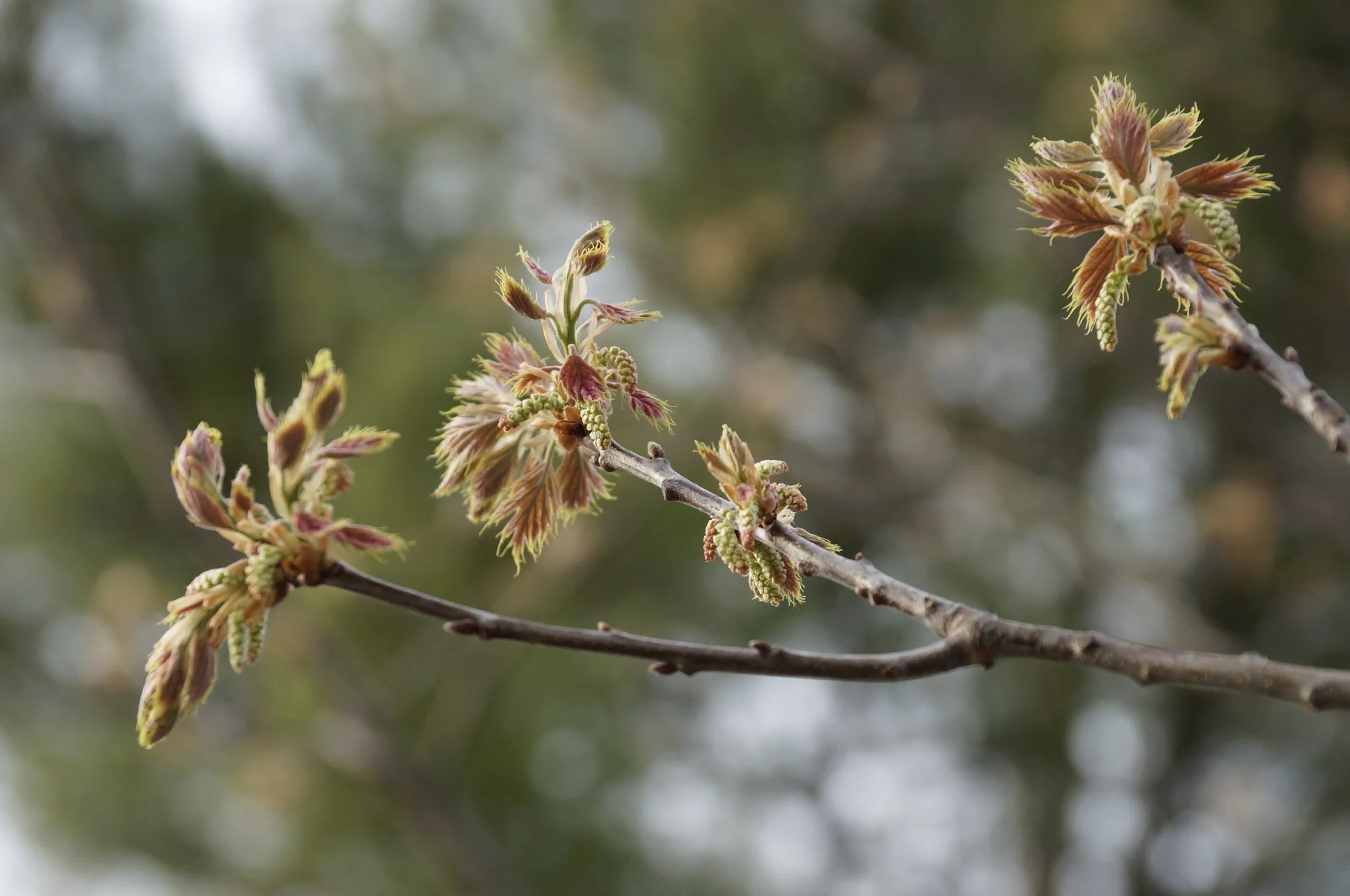
A Call to Action for Citizen Scientists
All across the country, scientists and non-scientists alike are keeping track of a natural, easy-to-observe, even joyful event: the first opening of flower buds …

Native Plant List by Growing Condition
This is a general list of plants recommended for Northeast gardens, organized by preferred light and water conditions …
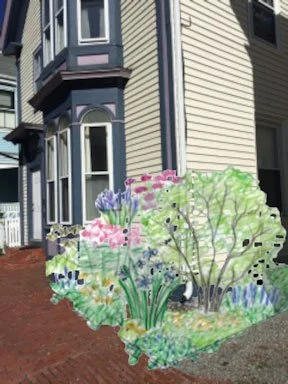
A Rain Garden at Your Downspout
The torrential downpours that the Northeast is experiencing with increasing frequency are a clear reminder that we need to make our landscapes more absorbent of precipitation …

Articles by Wild Seed Project Staff
In addition to our writing shared here on the website, Wild Seed Project staff have written for a number of other outlets ...