
Resource Library
Learn the why, when and how of planting for biodiversity and resilience, from the principles of ecological gardening to step by step how to guides.
Featured Resources

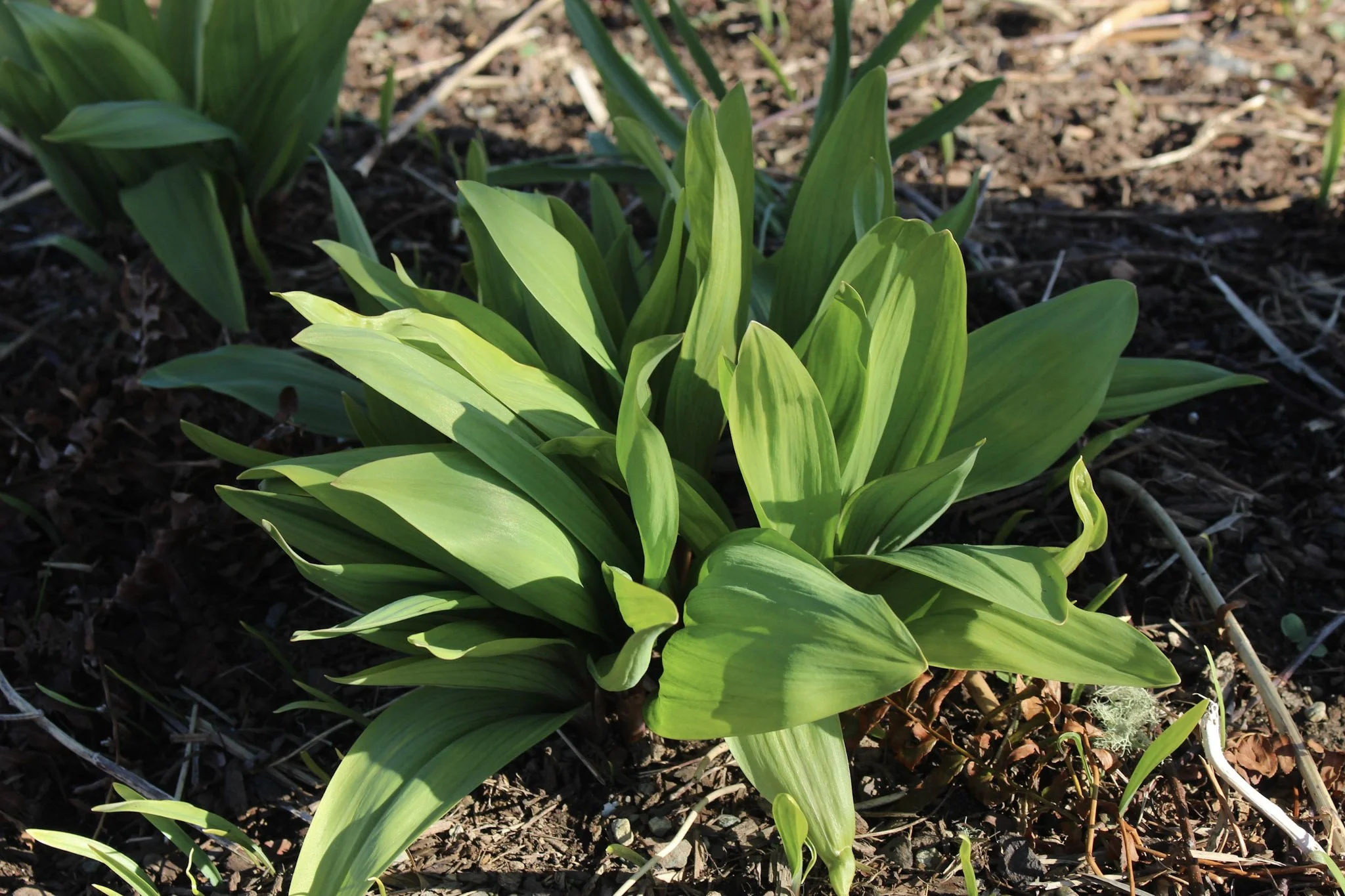

All Resources
Search by keyword or browse by category to explore our full catalog of resources.
Keyword search:
Filter by:
Category
- Biodiversity 101
- Ecological Gardening
- Garden Design
- How To Guide
- Introduced Species
- Native Ferns
- Native Grasses
- Native Groundcovers
- Native Shrubs and Trees
- Native Wildflowers
- Partnerships
- Plant List
- Plant Profile
- Pollinators
- Schools
- Season - Autumn
- Season - Spring
- Season - Summer
- Season - Winter
- Seed Sowing
- Shady
- Sunny

An Interview with Member Doug Swartz
We love getting to hear from our members, and we thought you might like to hear from each other, too! Here’s Doug Swartz, an enthusiastic gardener, birder and Wild Seed Project supporter…

Wild-Type Plants vs Nativars: Which is better for pollinators?
Since wild-type plants are grown from wild seed, they have a representative mix of the genes present in wild populations of the parent plants. Nativars on the other hand, are typically cloned plants, so each one is genetically identical …
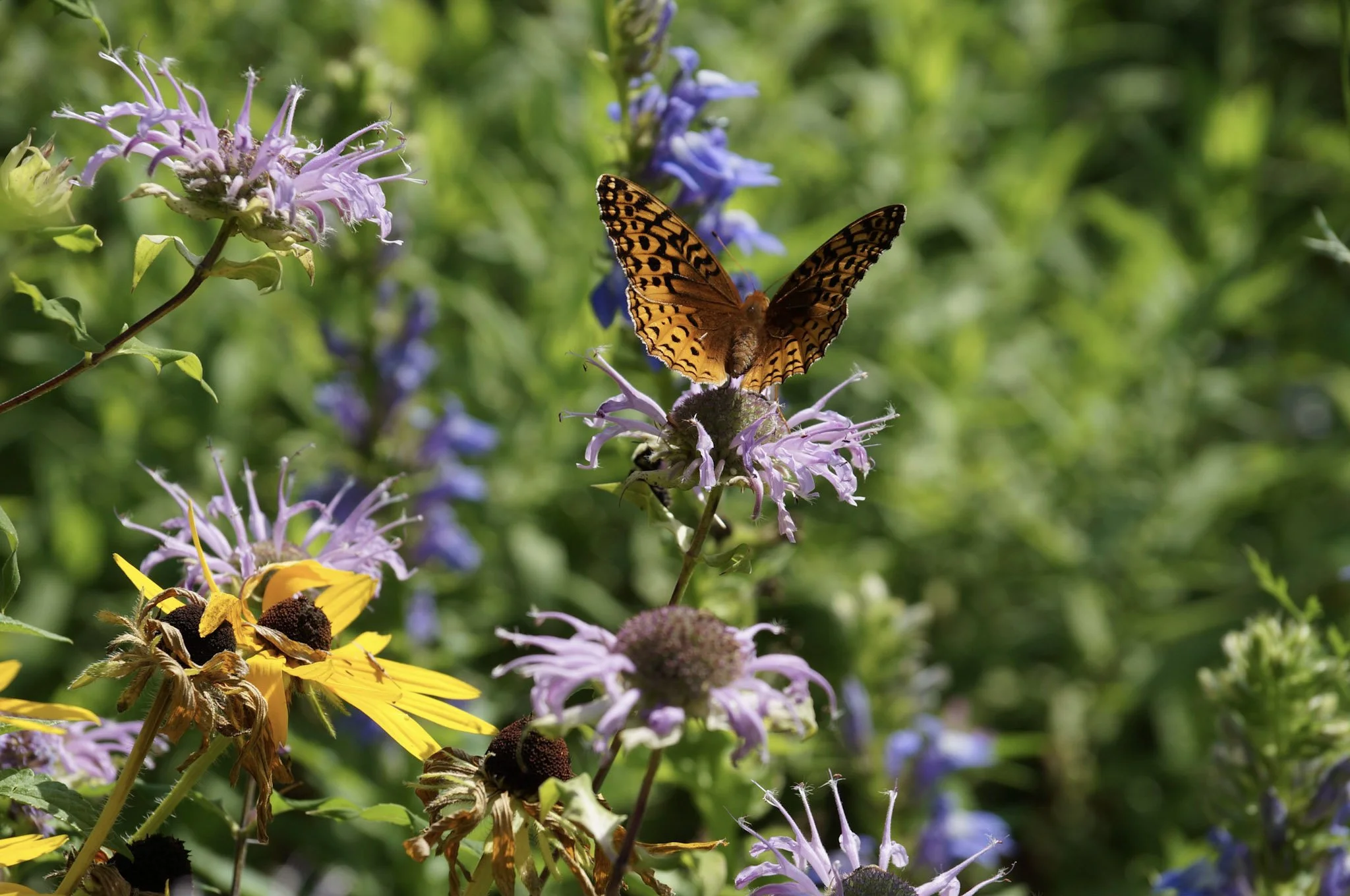
Why Native Plants Matter
As we face the unprecedented, urgent, and entwined challenges of the climate crisis and biodiversity loss, native plants grown from seed …

Leave the Leaves!
Autumn is when many of us typically think of putting our gardens to bed by removing leaves and cutting back perennials. However, to truly support living creatures year round, it’s much better to leave fallen leaves …
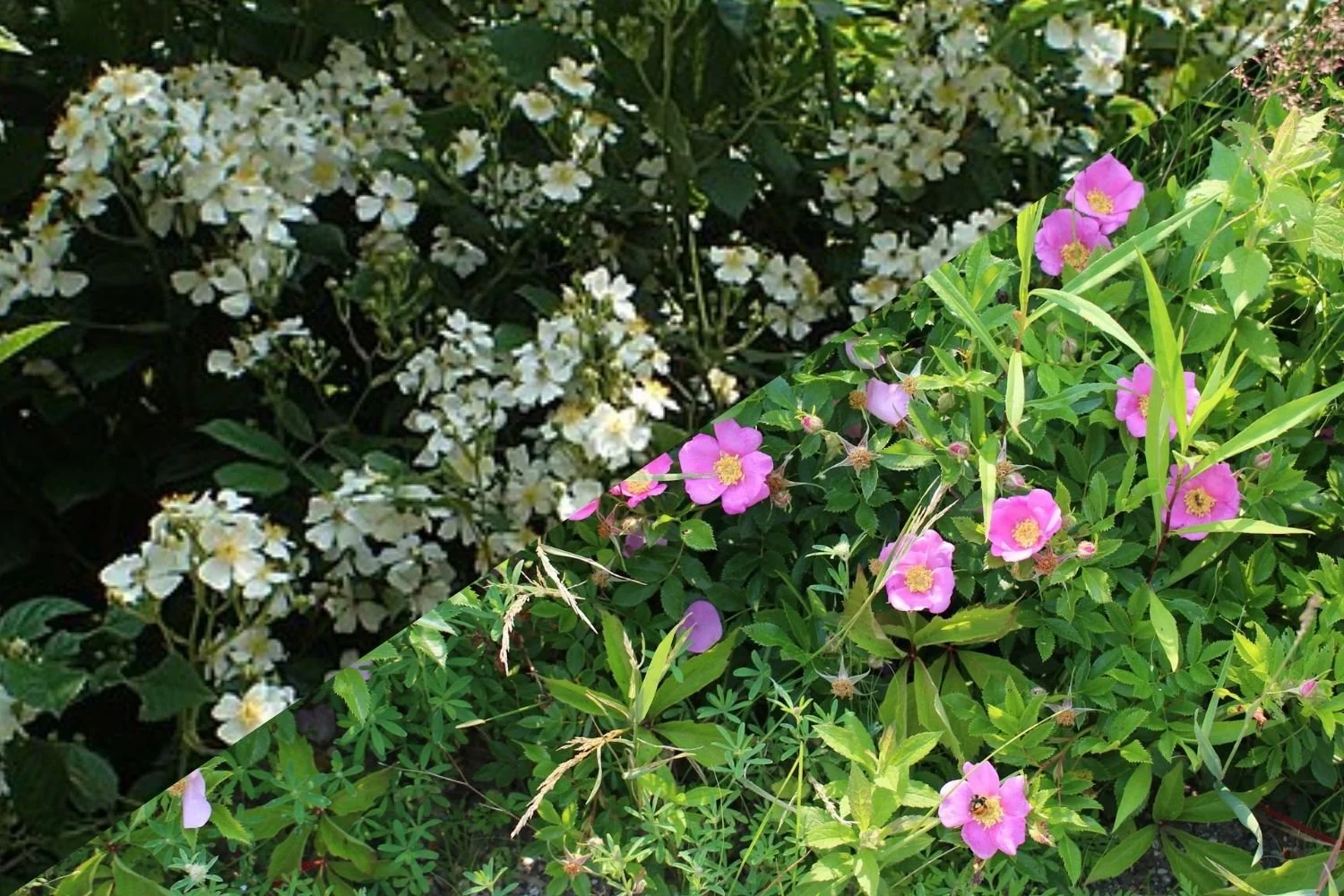
Invasive Plants and Maine’s Ecological Puzzle
Invasive plants are like pieces that just don’t fit right in Maine’s ecological puzzle. By crowding out native plants they leave holes in the food web and can exclude other pieces of the puzzle …
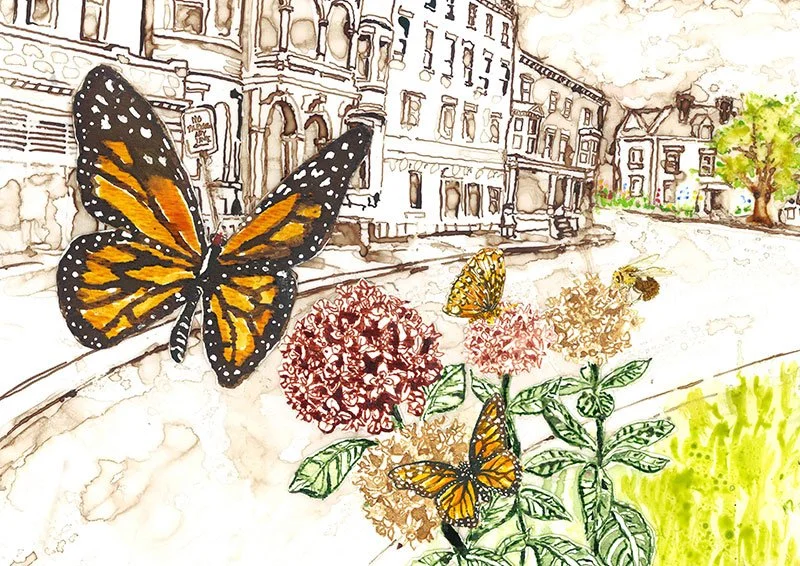
Connecting Habitat in Portland
In urban areas, green spaces of natural habitat rapidly lose biodiversity if they exist in isolated patches. Many cities across the country and the world are working to promote corridors of native plants in an urban environment …

Where the Wild Things Are: Pink Lady Slipper Orchids and Poachers
Some of our most beautiful native plants do not belong in our gardens. When you see them for sale in a nursery, they are more often than not dug from the wild. The most common species collected in the wild are …
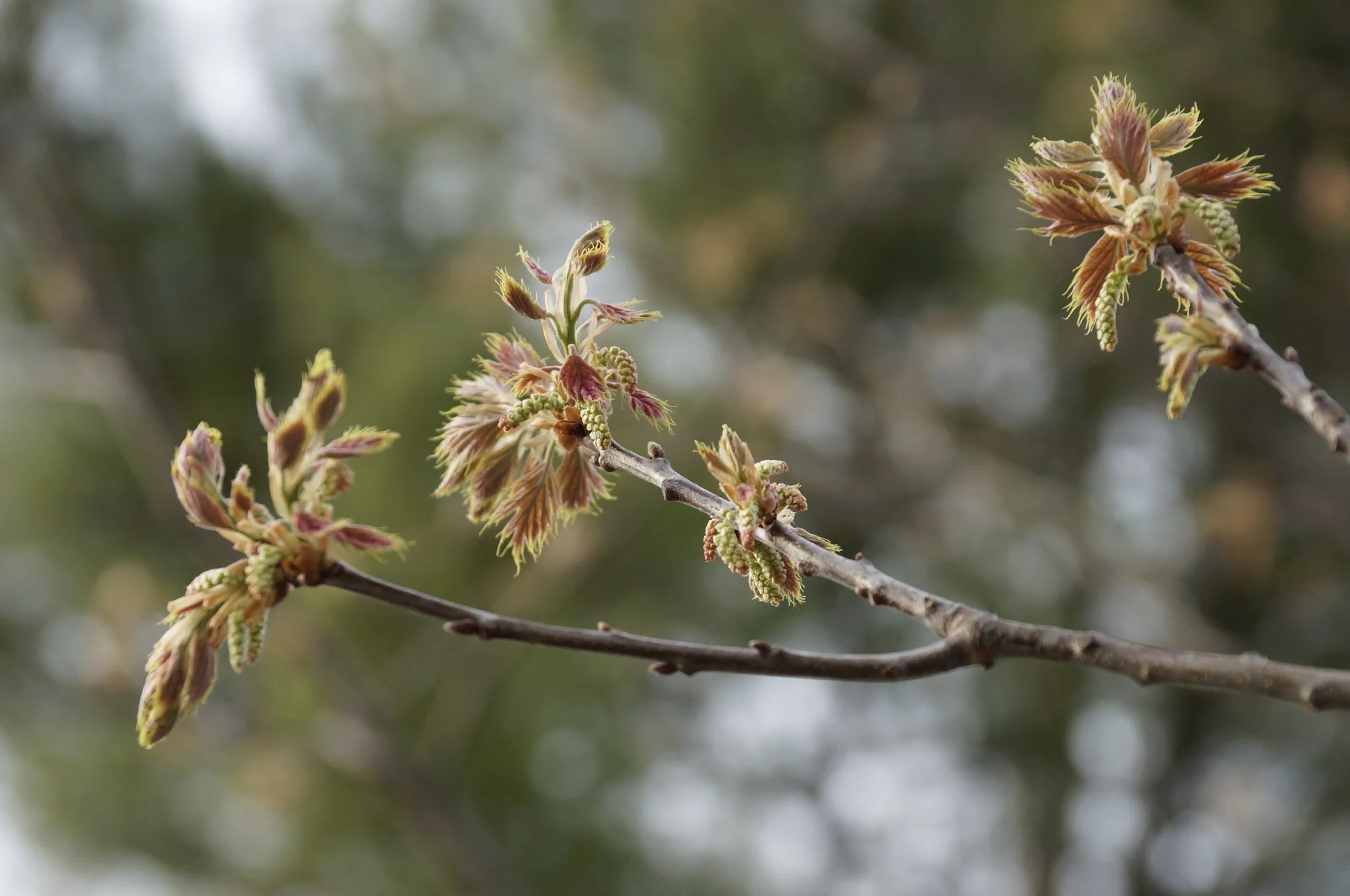
A Call to Action for Citizen Scientists
All across the country, scientists and non-scientists alike are keeping track of a natural, easy-to-observe, even joyful event: the first opening of flower buds …

Building Biodiverse & Climate-Resilient Habitats
Building biodiverse and climate resilient habitats require a deliberate shift from human-centered, intensively managed landscapes to humans sharing their lands with the rest of nature. It is an intentional practice of restoring native plants in urban, suburban, and rural landscapes to reverse habitat loss, support ecosystem services, and bring nature back into our daily lives. …

How to be an Ecological Gardener
Here are five key practices used by organic/ecological landscape gardeners. These methods result in healthy, pest-free plants and provide a rich habitat for a variety of pollinating insects, birds and other creatures …

Articles by Wild Seed Project Staff
In addition to our writing shared here on the website, Wild Seed Project staff have written for a number of other outlets ...