
How to be an Ecological Gardener
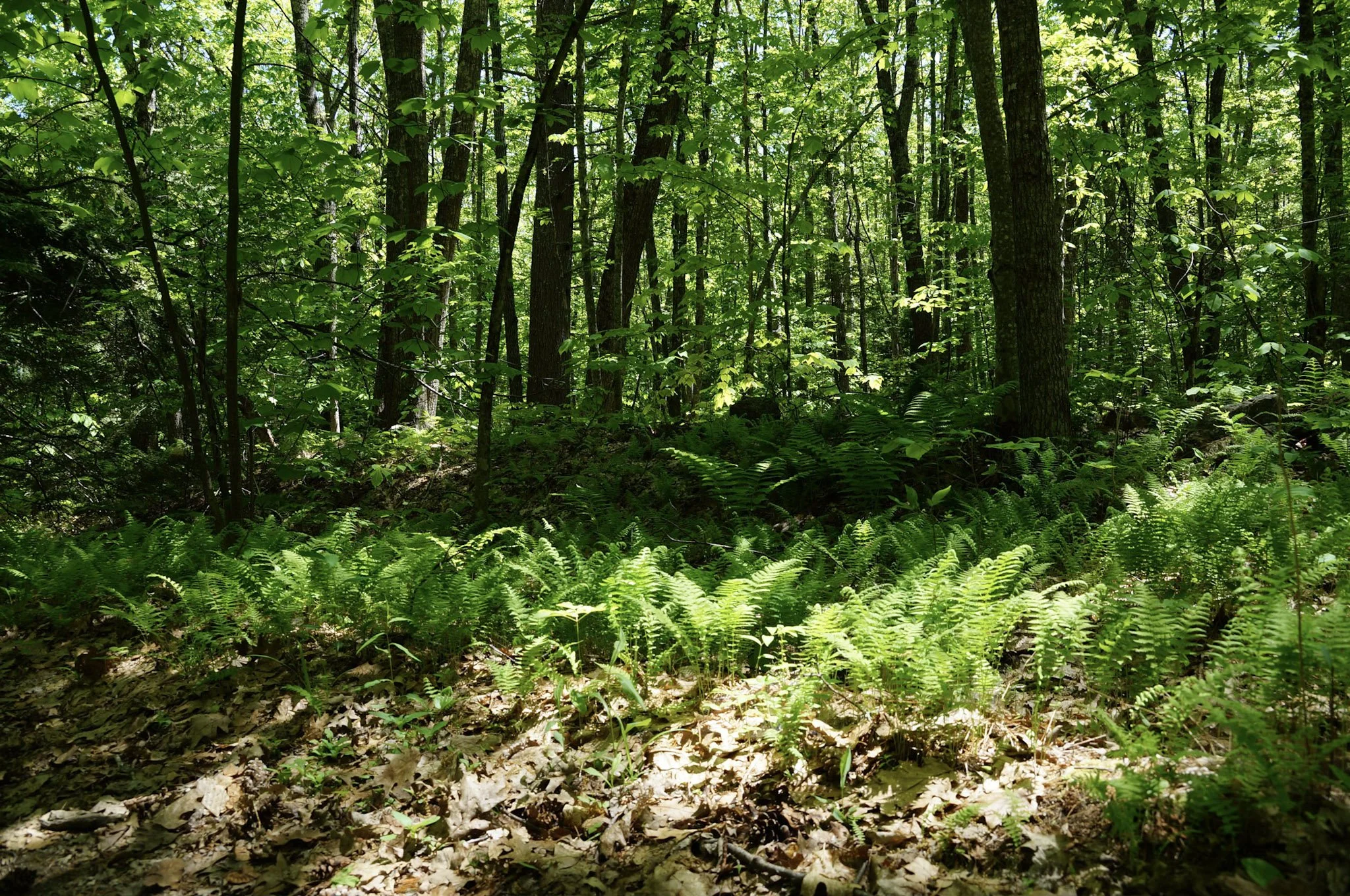
These five key practices of ecological gardening result in healthy, pest-free plants and provide a rich habitat for a variety of pollinating insects, birds and other creatures.
One: Bring Your Soil to Life
Think about how a healthy forest functions: Every year an abundance of leaves, herbs, woody branches, trees and dead fauna fall to the forest floor and begin the process of decay, aided by millions of soil microorganisms which make the resulting nutrients and minerals in the soil available to plants. Above ground, living plants produce their own energy through photosynthesis, the magical process of taking sunlight, CO2 from the atmosphere, and water from the soil and converting it to woody or herbaceous vegetation.
To mimic natural systems in your garden, use composts and organic mulches to increase the diversity of microorganisms in the soil. Composted leaves, straw, rotted bark, and kitchen and yard trimmings are excellent mulches that build microbial life.
If you raked your yard clean of leaves last fall and removed this organic material, you can replace it. Set up a composting system to manage the pruned vegetation you generate over the growing season and turn it into valuable compost. If you live in a city and use a municipal composting service, make sure that you get back in compost what you sent off as yard waste.
Spring and fall are great times to add a layer of compost or organic mulch 1-2” deep to planting beds. This imitates the annual forest leaf fall and provides established plants with all the nutrients they need. If you’re putting new plants in compacted soil, you can dig in extra compost and organic soil amendments to increase the biological activity in the soil. In autumn, allow fallen leaves to decompose in place rather than rake them away. Lawn grass and paths can be raked free of leaves and added to the compost bin.
Native plants thrive with fallen leaves and composted vegetation as their only addition. This type of naturally-occurring organic mulch also holds moisture in the soil, helping plants withstand drought.
Avoid chemical fertilizers—these man-made products can kill the soil’s microorganisms and are counterproductive to building biologically active soil.
Beware of commercial bark mulches, especially when dyed. Make sure the product you buy is really bark, not shredded wood pallets or pressure-treated wood, which are treated with damaging chemicals.
Two: Discourage Weeds Naturally
What do ecological gardeners do about weeds?
Mulch the soil. A thick layer of organic mulch prevents a lot of weeds, as most weed seeds need light to germinate. Tilling or digging exposes buried weed seeds, so avoid disturbing the soil, if possible.
Physically remove weeds. There are two tricks to killing weeds besides pulling them: pour boiling water or spray vinegar on the unwanted plant.
Solarize the area. This works best in large sunny areas. Cover the area with black or clear plastic weighted down along the edges. After a month or two, perennial weeds and seeds will be baked by the sun shining on the plastic. Remove the plastic, then plant and mulch.
Three: Discourage Pests
Wash the pests off the whole plant with the spray nozzle on a hose. Then spray liquid seaweed on the foliage. You may need to do this repeatedly. Do not succumb to the temptation to use chemical pesticides and herbicides. These chemicals are persistent in the environment and they kill more than just the pest or problem weed. It is not worth it.
Remember, plants are food, and most insects are not pests. A caterpillar is the larval stage of a butterfly or moth. Get a good field guide and identify insects before you consider eliminating them.
Four: Cultivate an Organic Lawn
There are several effective ways to make your lawn ecologically healthy and resilient.
Use a mulching mower, which returns the clippings to the soil. If your lawn is small, a hand push mower is great, and the new solar-charged electric mowers work well. Aim to phase out use of your gas-powered lawn mower—they are a major source of air and noise pollution, much worse than automobiles. Spreading a thin layer of compost on your lawn creates the microbial life in the soil that will aid in grass growth. This, along with grass clippings left in place, will give your grass all it needs and will improve its tolerance to drought.
To naturally green your lawn and add diversity, include white clover seed in your grass mix. White clover is a low-growing, nitrogen-fixer beloved by pollinators.
If the soil is heavily compacted and you have lots of weeds like dandelion and plantain, poke holes in the soil with a pitchfork.
Dry and scruffy lawns can be converted into low, dry meadows with rock phlox, blue-eyed grass, wild strawberry and pussy toes. If your lawn is shady, plant some native woodland groundcovers with pathways and open areas created with stepping-stones or other porous paving materials.
Reduce the size of your lawn and add more native habitat plantings, or manage it like a meadow and mow only occasionally. This will be a boon for wildlife.
Five: Encourage Plant Diversity
Now it’s time to add a few native plants.
Choose plants by site condition—sun or shade, soil type (sandy, gravelly, clay or loam) and level of moisture. Create mini-habitats, combining plants from similar growing environments. Plants from the same habitat grow well together — this is the foundation of good ecological design.
Create new planting areas by sheet mulching. Choose an area that you want to convert from lawn or weeds, and cover it with overlapping layers of uncoated brown cardboard or newspaper 5 layers thick. Next add organic mulch, such as compost, leaf mold, rotted straw, whatever you have on hand. Water heavily to soak the cardboard and organic matter. Shrubs and trees can be planted directly through this covering. Perennial plants do better if you wait a couple of months to kill the grass and weeds underneath. This method is easier than digging up lawn, and doesn’t expose new weed seeds.