
Resource Library
Learn the why, when and how of planting for biodiversity and resilience, from the principles of ecological gardening to step by step how to guides.
Featured Resources


All Resources
Search by keyword or browse by category to explore our full catalog of resources.
Keyword search:
Filter by:
Category
- Biodiversity 101
- Ecological Gardening
- Garden Design
- How To Guide
- Introduced Species
- Native Ferns
- Native Grasses
- Native Groundcovers
- Native Shrubs and Trees
- Native Wildflowers
- Partnerships
- Plant List
- Plant Profile
- Pollinators
- Schools
- Season - Autumn
- Season - Spring
- Season - Summer
- Season - Winter
- Seed Sowing
- Shady
- Sunny

Wild-Type Plants vs Nativars: Which is better for pollinators?
Since wild-type plants are grown from wild seed, they have a representative mix of the genes present in wild populations of the parent plants. Nativars on the other hand, are typically cloned plants, so each one is genetically identical …
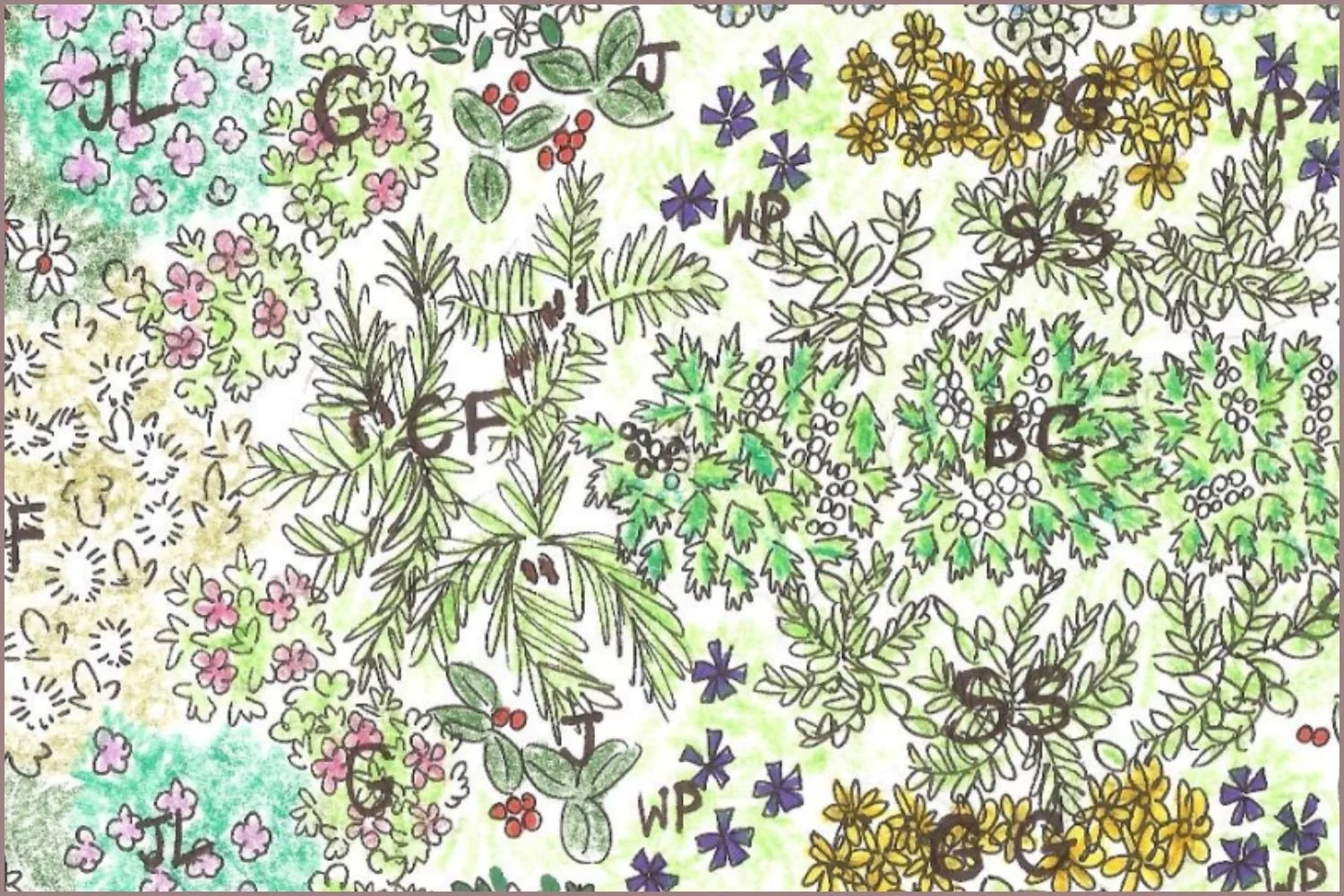
Native Plant Pollinator Garden Template - Shade
View or download a PDF of our Shady Native Perennial Pollinator Garden Bed Template, created in collaboration with Portland Pollinator Partnership.

Native Plant Pollinator Garden Template - Full Sun
View or download a PDF of our Sunny Native Perennial Pollinator Garden Bed Template, created in collaboration with Portland Pollinator Partnership.
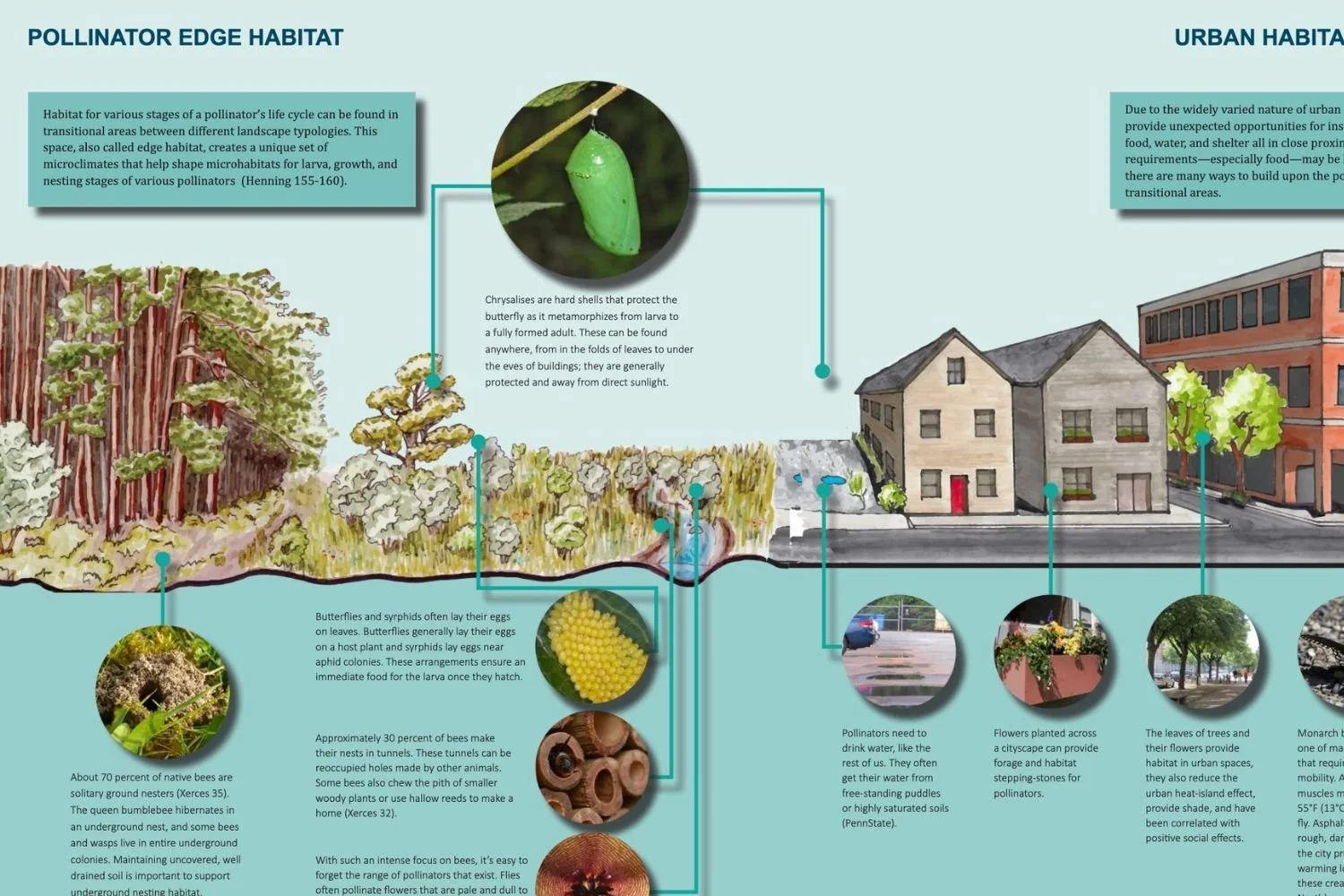
Portland Pollinator Vision Plan
In the winter of 2015, Wild Seed Project engaged the Conway School of Landscape Design to conduct a research project focused on a city-wide pollinator corridor for Portland …

Leave the Leaves!
Autumn is when many of us typically think of putting our gardens to bed by removing leaves and cutting back perennials. However, to truly support living creatures year round, it’s much better to leave fallen leaves …

Viburnums: Year-Round Wonders
Viburnums are plants that just keep on giving. While they bloom in the spring, these plants provide enjoyment throughout the year ...

Creating Canopy: Plant a Native Tree for a Greener Future
Planting a native tree is a powerful act that directly benefits local wildlife, moderates ground temperature, and helps remove carbon dioxide from the atmosphere …

Wasps: The Underappreciated Pollinators
Wasps are among the gardener’s best friends, and they deserve our protection. At the forefront of consuming caterpillars and other insect larvae in the garden and wild landscapes are various predatory wasps…
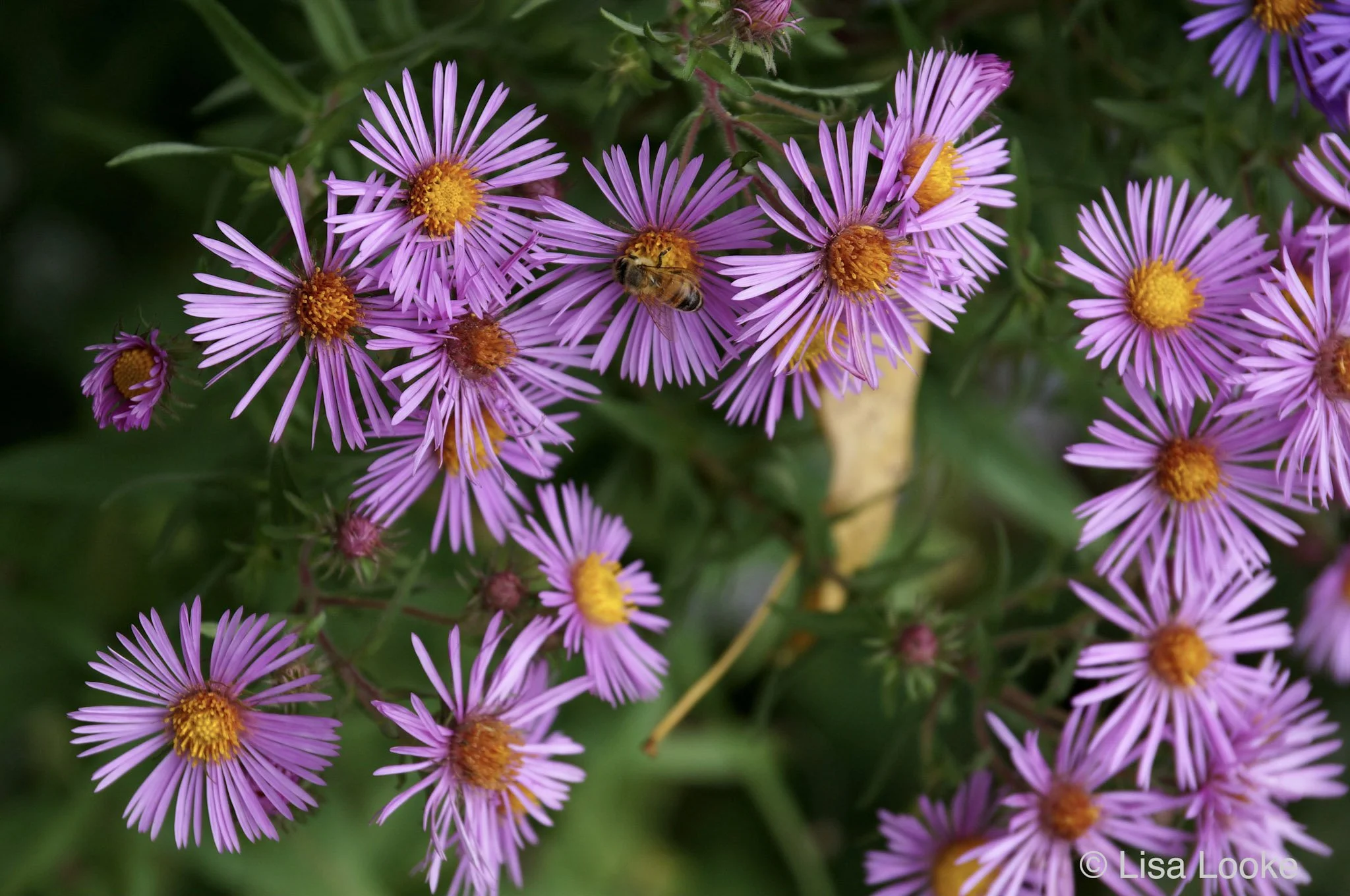
The Beauty and Pollinator Benefits of Asters and Goldenrods
Asters and goldenrods attract loads of late season pollinating insects. In the wintertime, they provide food and habitat for many birds and small animals that feast on the seeds and find shelter in the dried stalks. Research by entomologist Doug Tallamy …
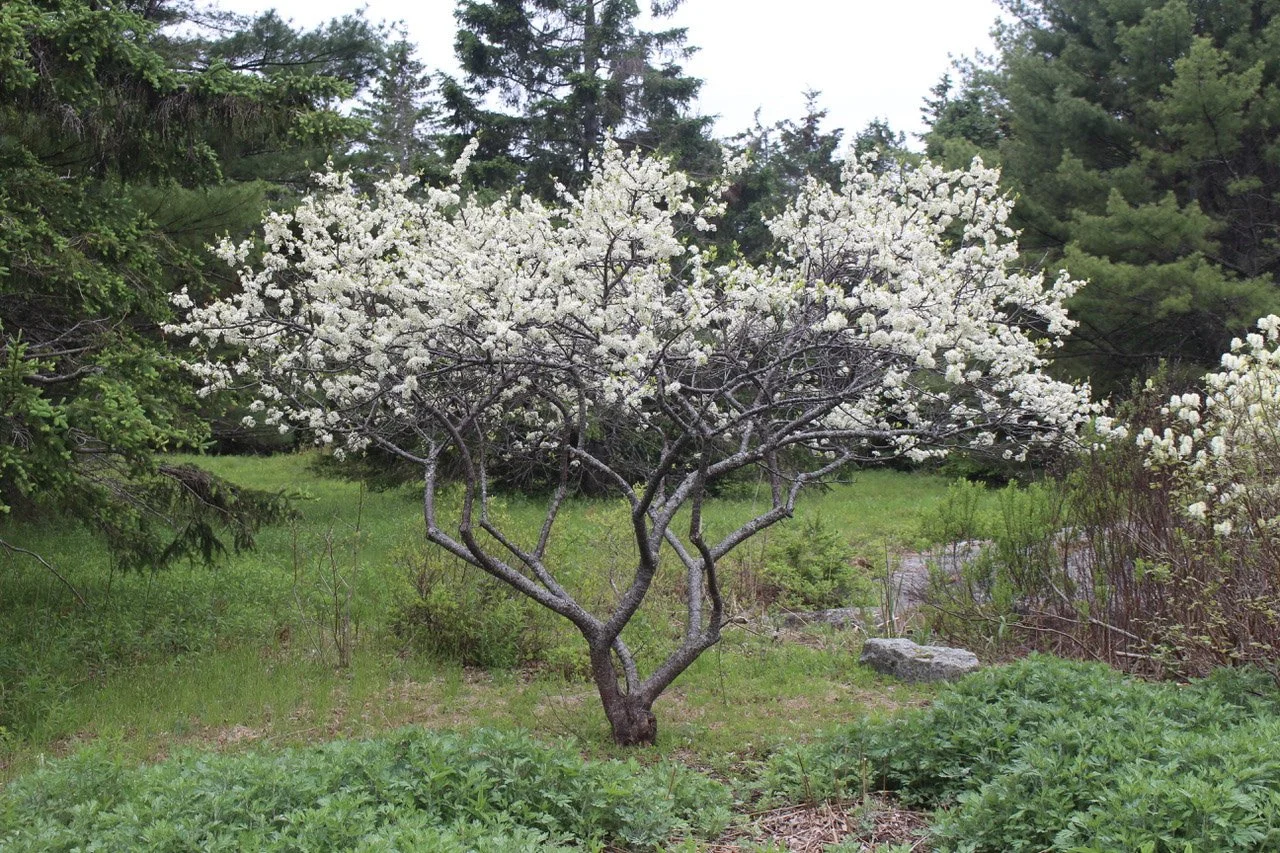
Flowering Trees for Small Spaces
Below is a list of a dozen small trees that have flowers and foliage that support pollinators, fruits and seeds to nourish wildlife, leaves in a variety of shapes and shades of green, and diverse …
Connecting Habitat in Portland
In urban areas, green spaces of natural habitat rapidly lose biodiversity if they exist in isolated patches. Many cities across the country and the world are working to promote corridors of native plants in an urban environment …
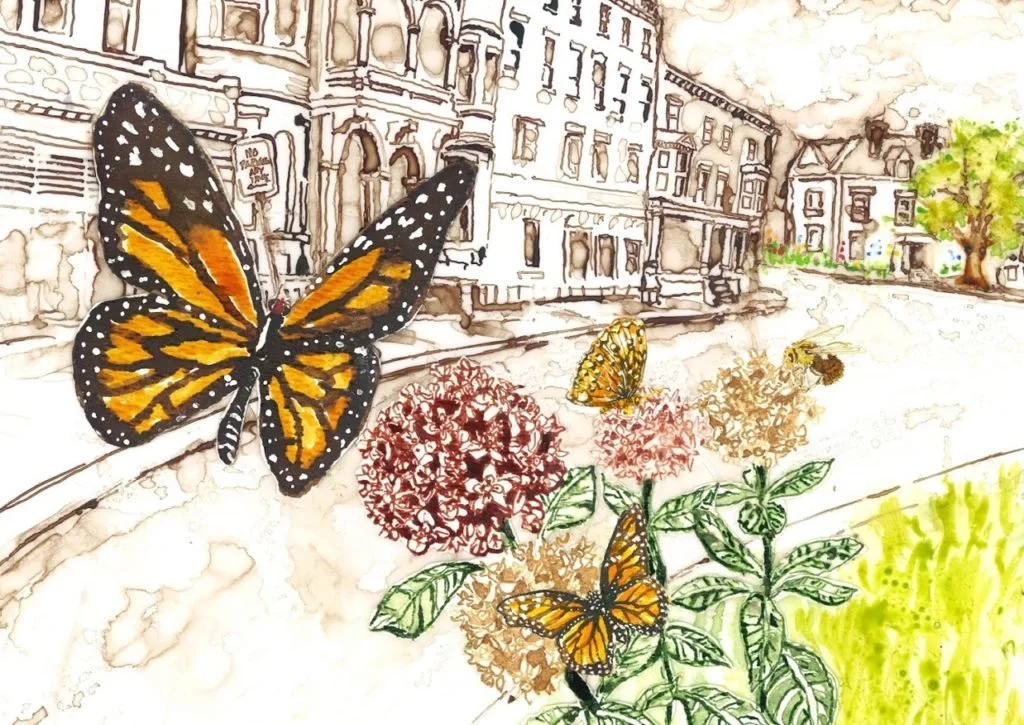
Monarchs and Milkweed
As we wait in hopeful anticipation for an increase in monarch butterfly populations, we can prepare for their arrival by planting native species that provide food and habitat for these beautiful creatures…
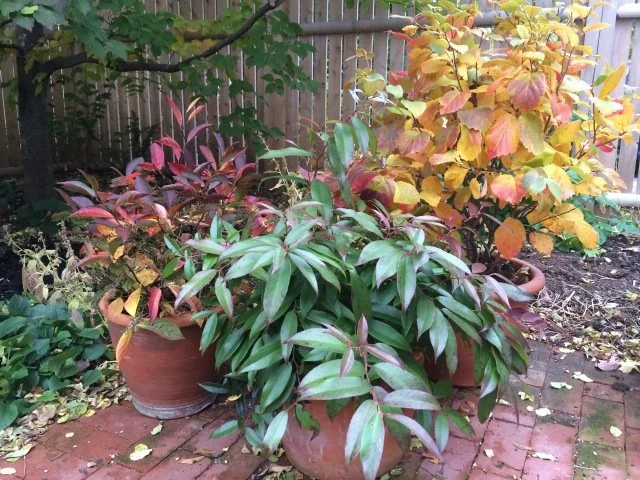
Balcony Gardens: Planting Native Plants in Pots & Containers
If you are an urban dweller who has no piece of earth to call your own, growing natives in pots is a great way to get to know some of these plants. And, if you need to move, just bring them along. These plants will give you a daily connection to a piece of nature…
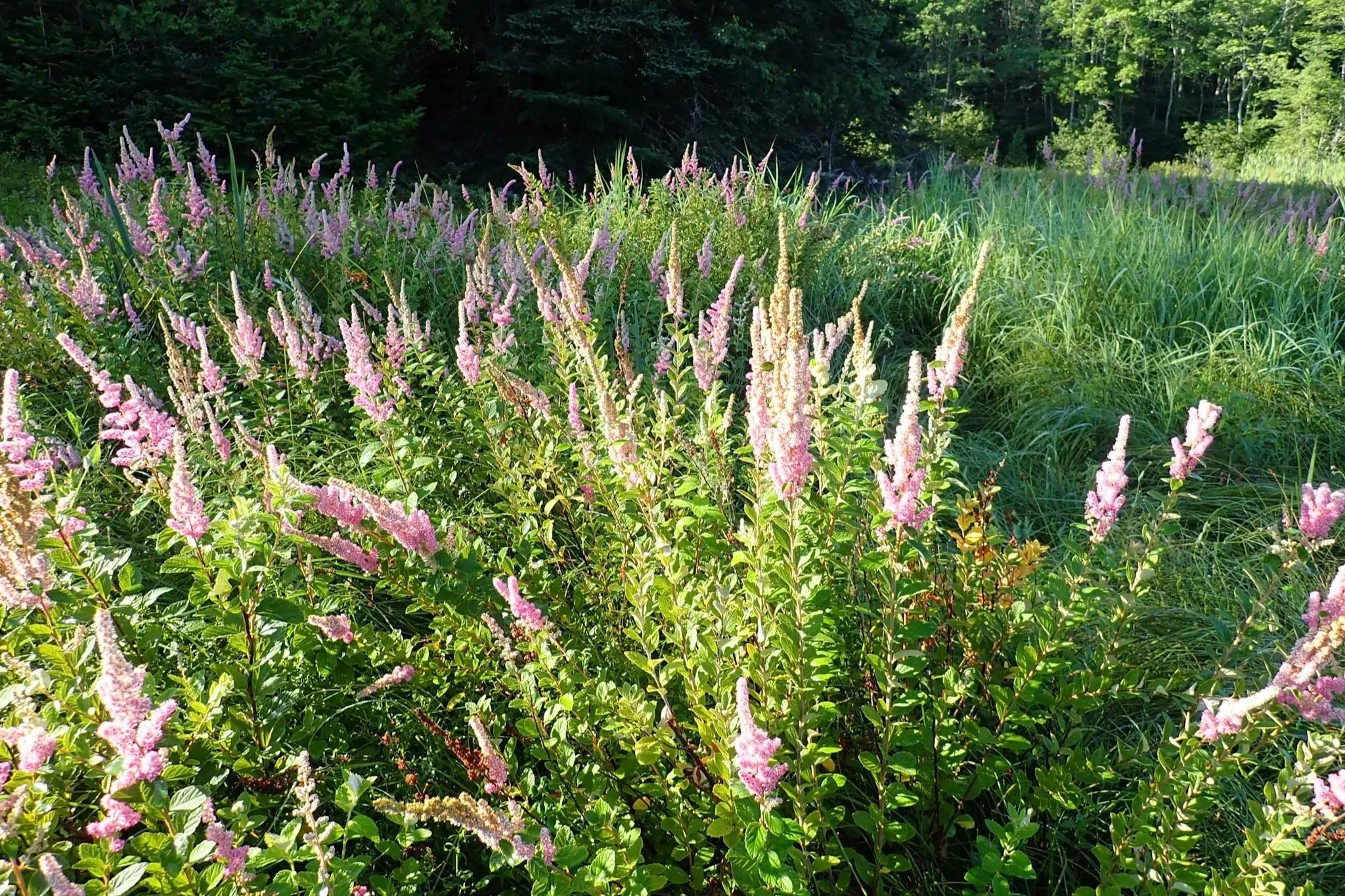
Native shrubs for Maine gardens
Native shrubs provide structure to garden landscapes, a lot of visual interest in the form of beautiful flowers or fruits, as well as food and habitat for birds, butterflies, bees, and other wildlife.

Making a Beeline Through Portland
We humans have altered the natural landscape and reduced pollinating insects’ ability to survive, but we can bring their habitat back. Creating corridors of native plants stretching across the landscape, from healthy wild habitats through farmland and into …

Native Pollinator Plants by Season of Bloom
View our download our list of pollinator plants, organized by season of bloom.

Creating Native Plant Corridors on Farms
Native plant corridors attract pollinators and wildlife to your farm by stretching across your property to connect your piece of native habitat to nearby meadows, wetlands or woodlands. This creates a much larger area for native pollinators …