
Resource Library
Learn the why, when and how of planting for biodiversity and resilience, from the principles of ecological gardening to step by step how to guides.
Featured Resources


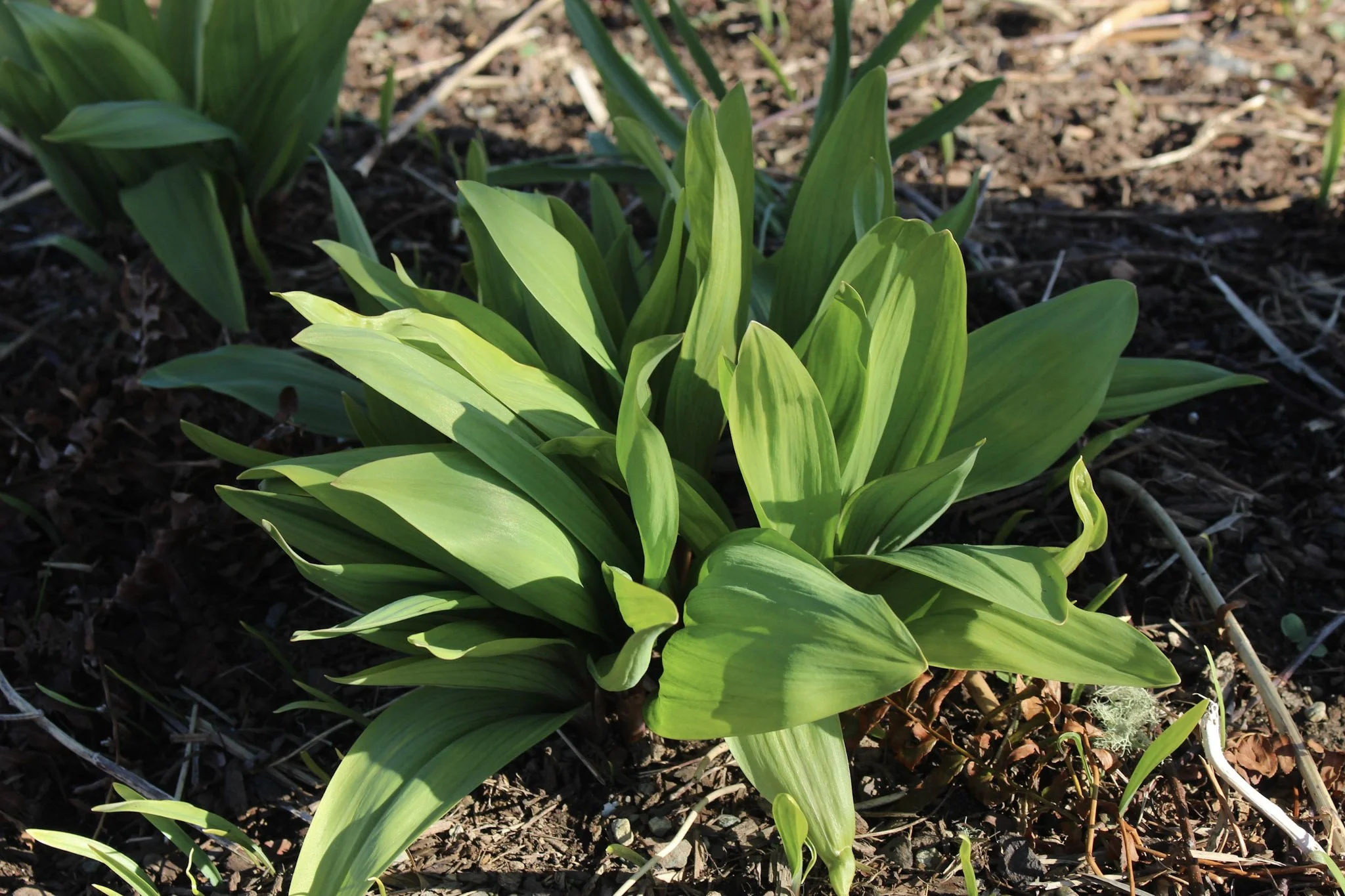

All Resources
Search by keyword or browse by category to explore our full catalog of resources.
Keyword search:
Filter by:
Category
- Biodiversity 101
- Ecological Gardening
- Garden Design
- How To Guide
- Introduced Species
- Native Ferns
- Native Grasses
- Native Groundcovers
- Native Shrubs and Trees
- Native Wildflowers
- Partnerships
- Plant List
- Plant Profile
- Pollinators
- Schools
- Season - Autumn
- Season - Spring
- Season - Summer
- Season - Winter
- Seed Sowing
- Shady
- Sunny
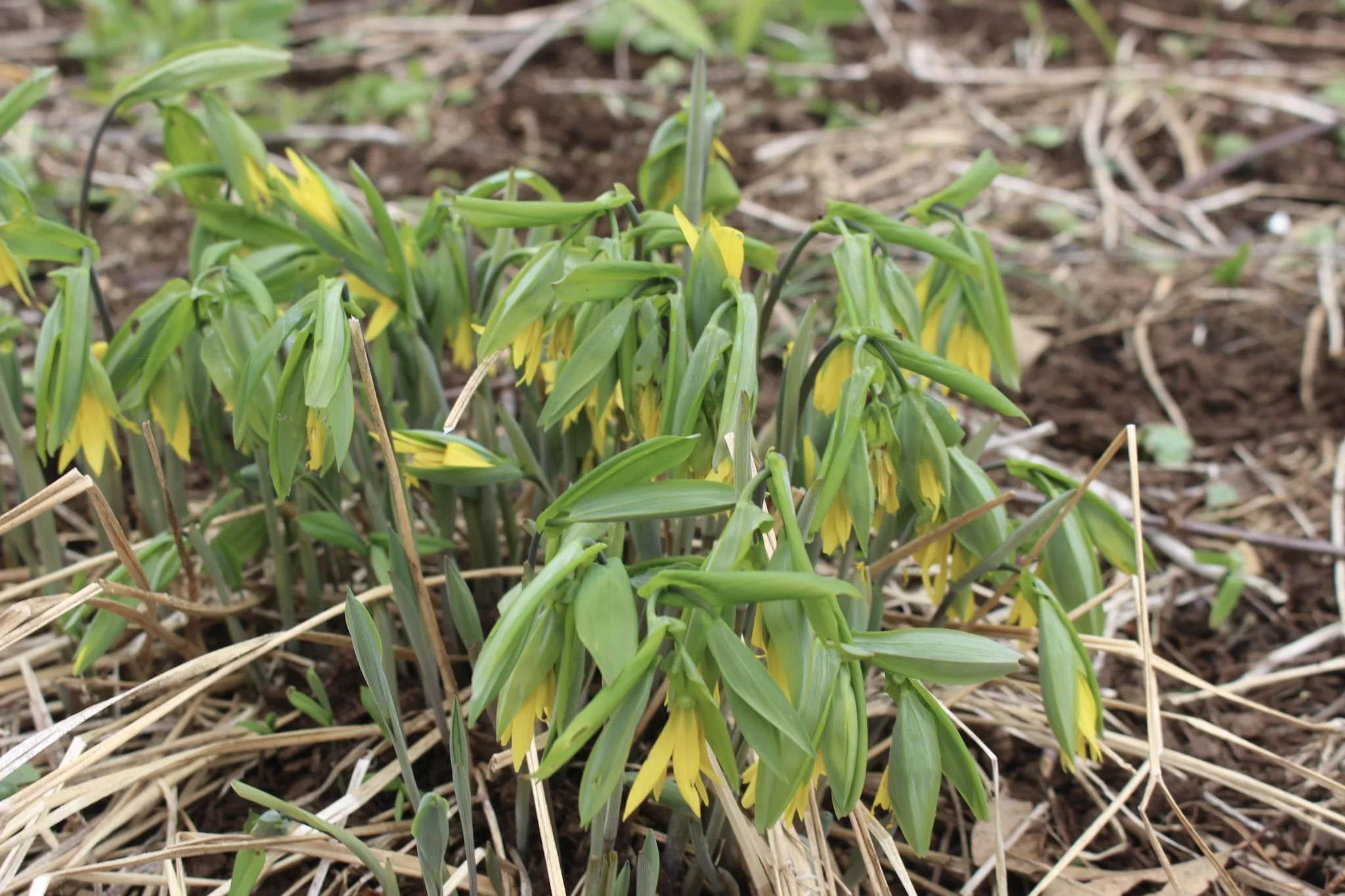
In the Shade: Gardening with Native Plants from the Woodland Understory
There are many beautiful and resilient plants from the woodland understory of eastern North America that can enliven a shady landscape …
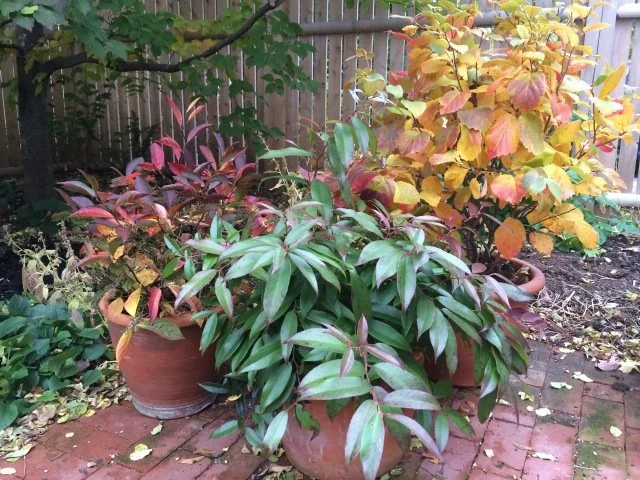
Balcony Gardens: Planting Native Plants in Pots & Containers
If you are an urban dweller who has no piece of earth to call your own, growing natives in pots is a great way to get to know some of these plants. And, if you need to move, just bring them along. These plants will give you a daily connection to a piece of nature…
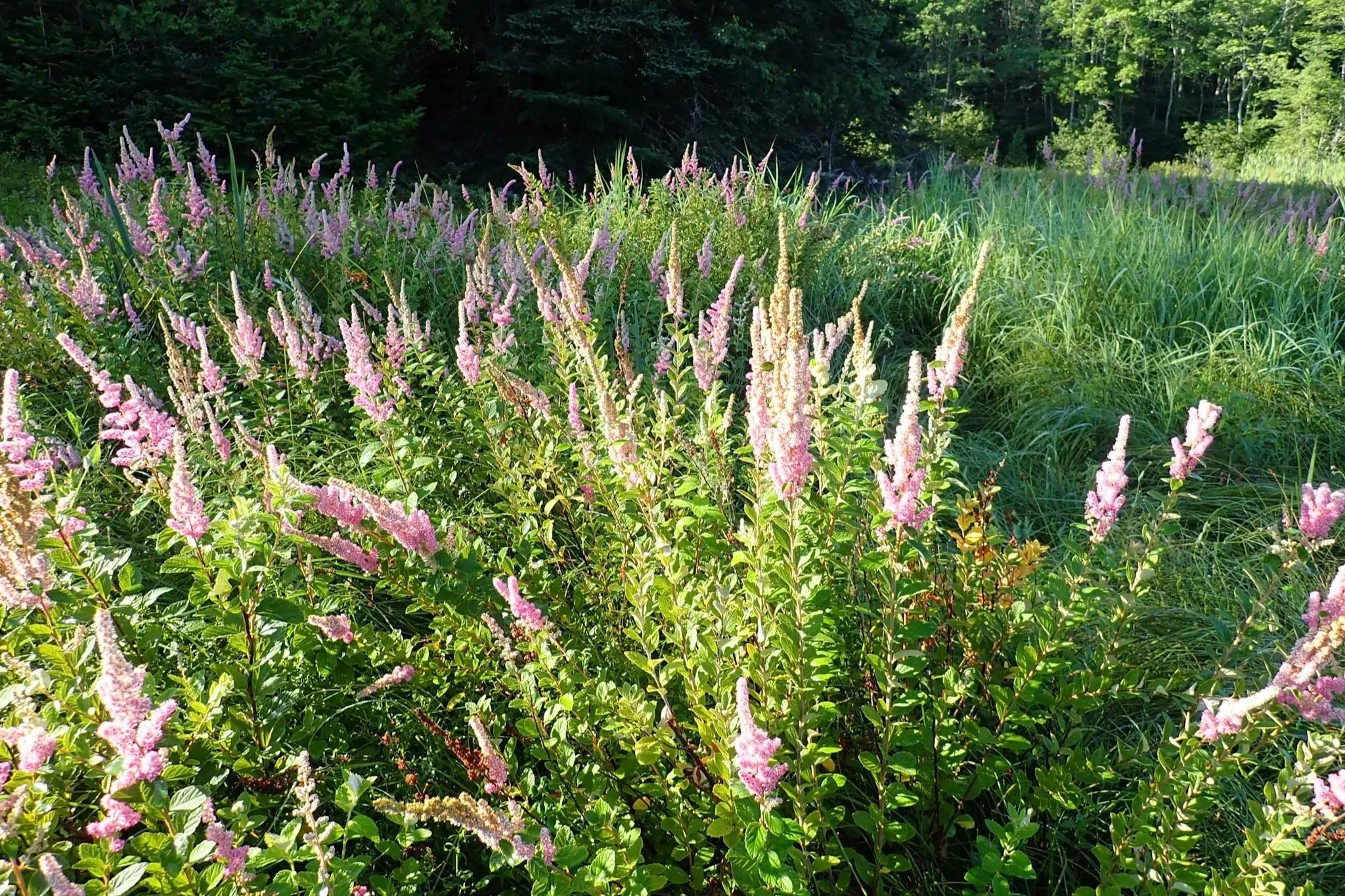
Native shrubs for Maine gardens
Native shrubs provide structure to garden landscapes, a lot of visual interest in the form of beautiful flowers or fruits, as well as food and habitat for birds, butterflies, bees, and other wildlife.

Where the Wild Things Are: Pink Lady Slipper Orchids and Poachers
Some of our most beautiful native plants do not belong in our gardens. When you see them for sale in a nursery, they are more often than not dug from the wild. The most common species collected in the wild are …
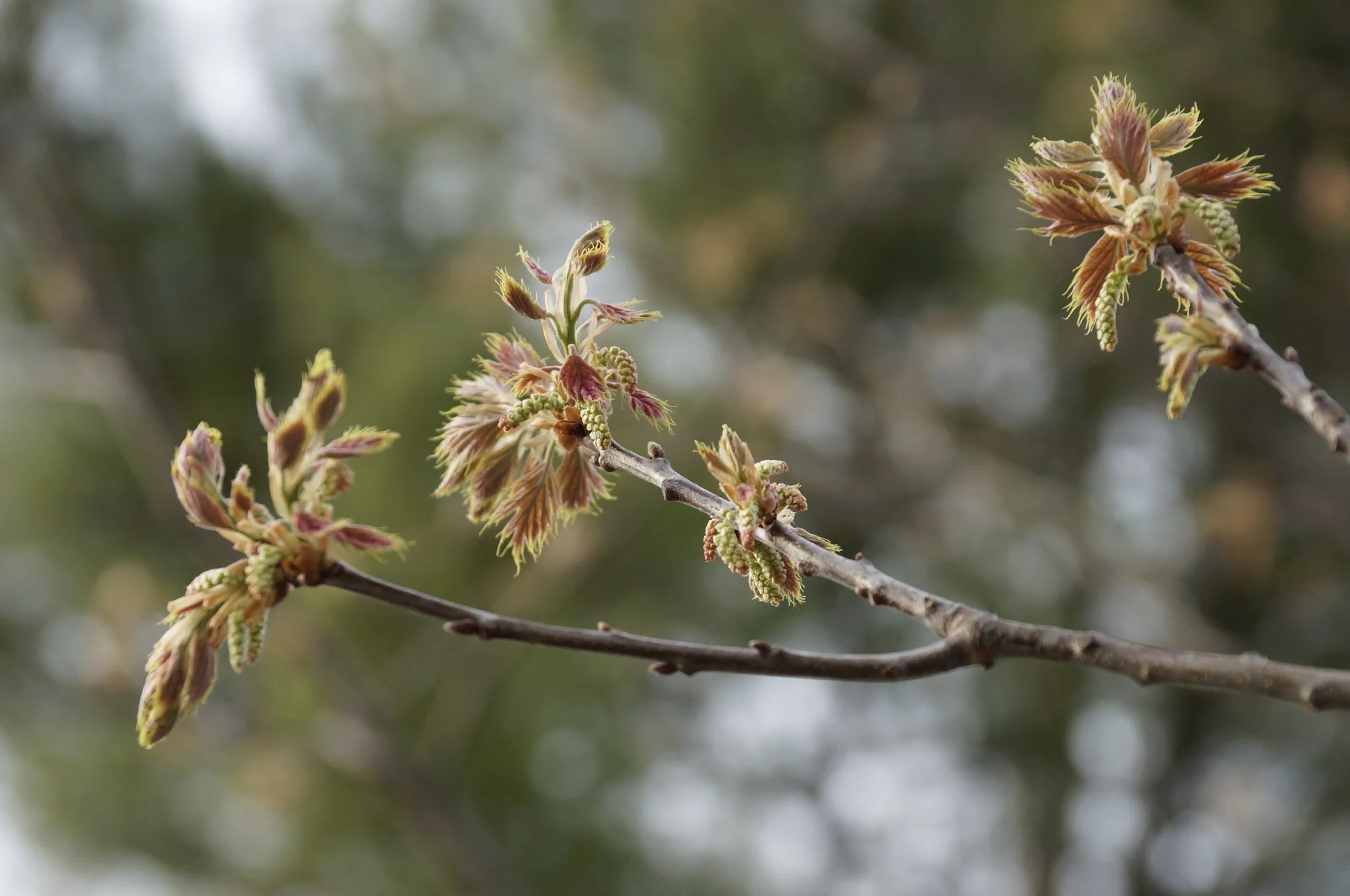
A Call to Action for Citizen Scientists
All across the country, scientists and non-scientists alike are keeping track of a natural, easy-to-observe, even joyful event: the first opening of flower buds …

Managing Meadows and Lawns for Biodiversity
If you want to support the native plants, pollinating insects, birds and many other creatures that make this habitat their home, changing your mowing routine will benefit native species while still preventing your meadow from reverting to forest …

Making a Beeline Through Portland
We humans have altered the natural landscape and reduced pollinating insects’ ability to survive, but we can bring their habitat back. Creating corridors of native plants stretching across the landscape, from healthy wild habitats through farmland and into …

Native Plant List by Growing Condition
This is a general list of plants recommended for Northeast gardens, organized by preferred light and water conditions …
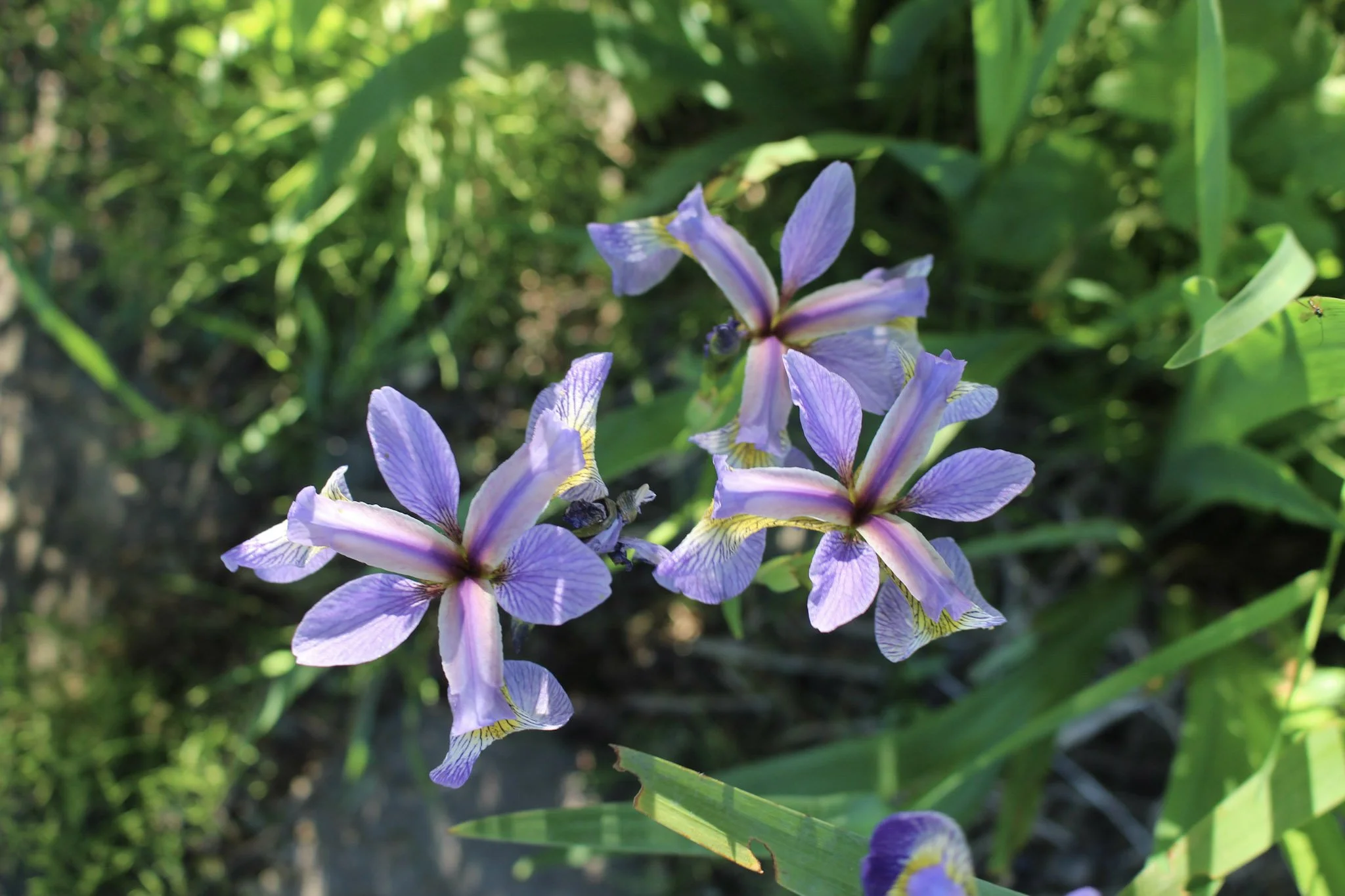

Favorite Plants for Schoolyards
View or download our list of favorite plants for schoolyards.

Native Pollinator Plants by Season of Bloom
View our download our list of pollinator plants, organized by season of bloom.

Creating Native Plant Corridors on Farms
Native plant corridors attract pollinators and wildlife to your farm by stretching across your property to connect your piece of native habitat to nearby meadows, wetlands or woodlands. This creates a much larger area for native pollinators …

Seeds for Teachers Lesson Plans
Seeds for Teachers includes four lesson plans, adaptable for grades Pre-K through 12.

Native Hedgerows
Native plants are high-value additions to a farm landscape because of the many ecosystem services they provide, including …
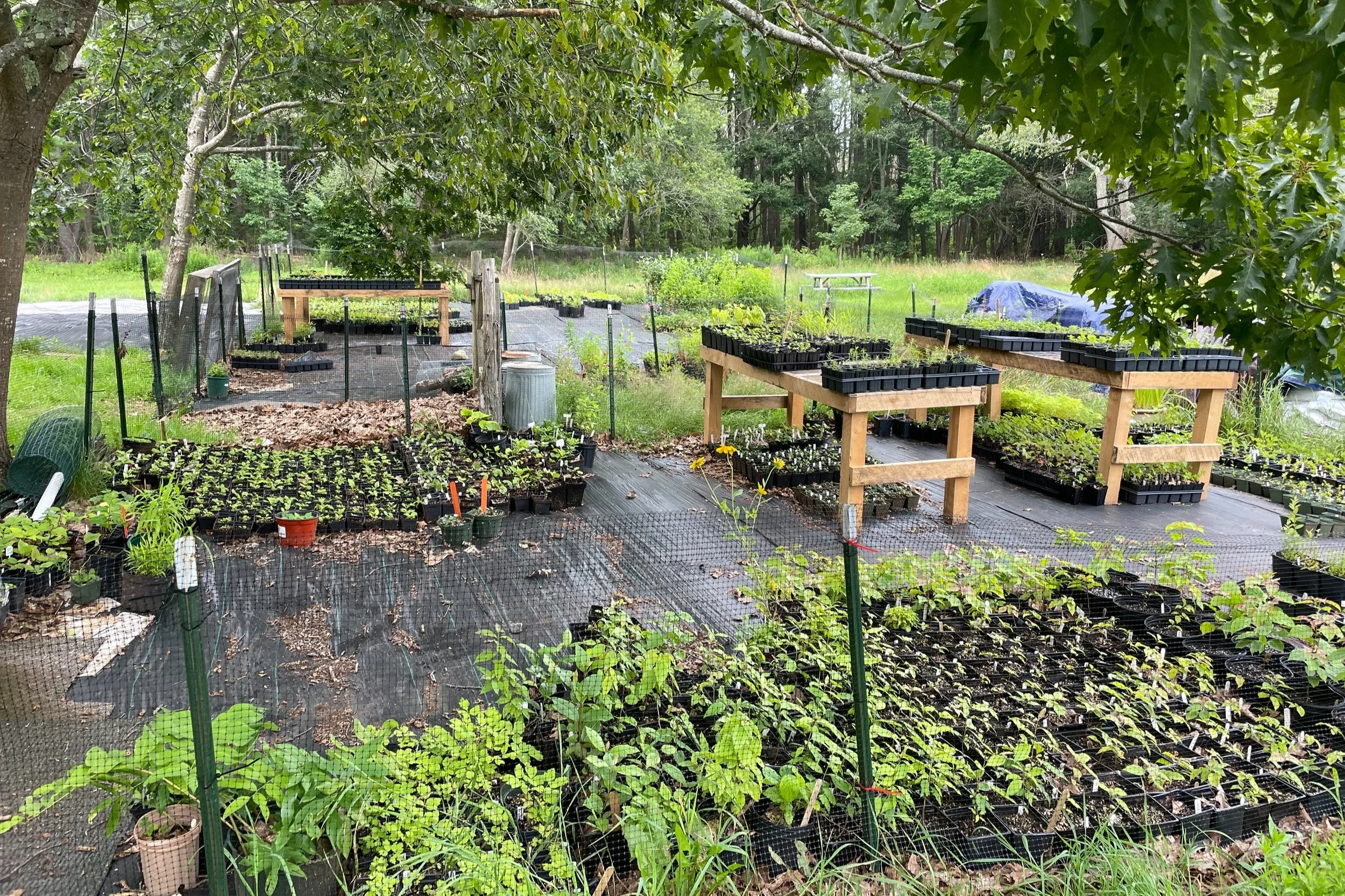
Establishing A Native Plant Nursery
You don’t need expensive or sophisticated facilities to start propagating native plants. Seeds can be sown outdoors in nursery beds, flats or pots. Native plants are adapted to the fluctuating temperatures of our Northeast climate. For many species, outdoor germination is often more successful …

Growing Ramps from Seed
Most people do not realize that the life cycle of this woodland wildflower is incredibly slow compared with commonly cultivated members of the onion family. For instance the common garden leek can grow from seed to full size in a single growing season. Ramp seeds can take a year or more to germinate, and the plants begin to flower only after seven years…

MaineDOT Roadside Guide
Published in 2018 in collaboration with the Maine Department of Transportation, Maine Native Plants for Roadside Restoration honors the relationship …
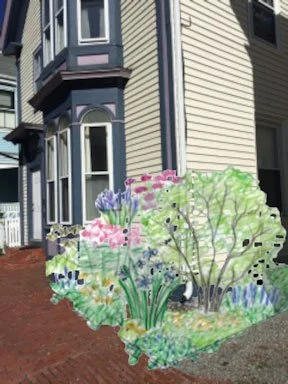
A Rain Garden at Your Downspout
The torrential downpours that the Northeast is experiencing with increasing frequency are a clear reminder that we need to make our landscapes more absorbent of precipitation …

Building Biodiverse & Climate-Resilient Habitats
Building biodiverse and climate resilient habitats require a deliberate shift from human-centered, intensively managed landscapes to humans sharing their lands with the rest of nature. It is an intentional practice of restoring native plants in urban, suburban, and rural landscapes to reverse habitat loss, support ecosystem services, and bring nature back into our daily lives. …
Gardening for the planet
So what does native plant landscaping have to do without our mental health? At the same time as the natural environment is facing declining health due to a variety of factors, rising numbers …