
Resource Library
Learn the why, when and how of planting for biodiversity and resilience, from the principles of ecological gardening to step by step how to guides.
Featured Resources


All Resources
Search by keyword or browse by category to explore our full catalog of resources.
Keyword search:
Filter by:
Category
- Biodiversity 101
- Ecological Gardening
- Garden Design
- How To Guide
- Introduced Species
- Native Ferns
- Native Grasses
- Native Groundcovers
- Native Shrubs and Trees
- Native Wildflowers
- Partnerships
- Plant List
- Plant Profile
- Pollinators
- Schools
- Season - Autumn
- Season - Spring
- Season - Summer
- Season - Winter
- Seed Sowing
- Shady
- Sunny

Coastal Joe-Pye weed (Eutrochium dubium)
The dome-shaped pink blooms attract many pollinators, including bees, butterflies, and other beneficial insects who feast on its pollen and nectar …

Viburnums: Year-Round Wonders
Viburnums are plants that just keep on giving. While they bloom in the spring, these plants provide enjoyment throughout the year ...

Swamp Milkweed (Asclepias incarnata)
In the wild, swamp milkweed grows in wet meadows, marshes and along the shores of lakes and streams throughout the Northeast. Although a wetland plant, in the home garden it tolerates …

Ferns: Ancient Plants for 21st Century Landscapes
Ferns make excellent landscape and garden plants, especially in shady or moist environments. Their beautiful foliage is striking all season, beginning when their first leaves unfurl …
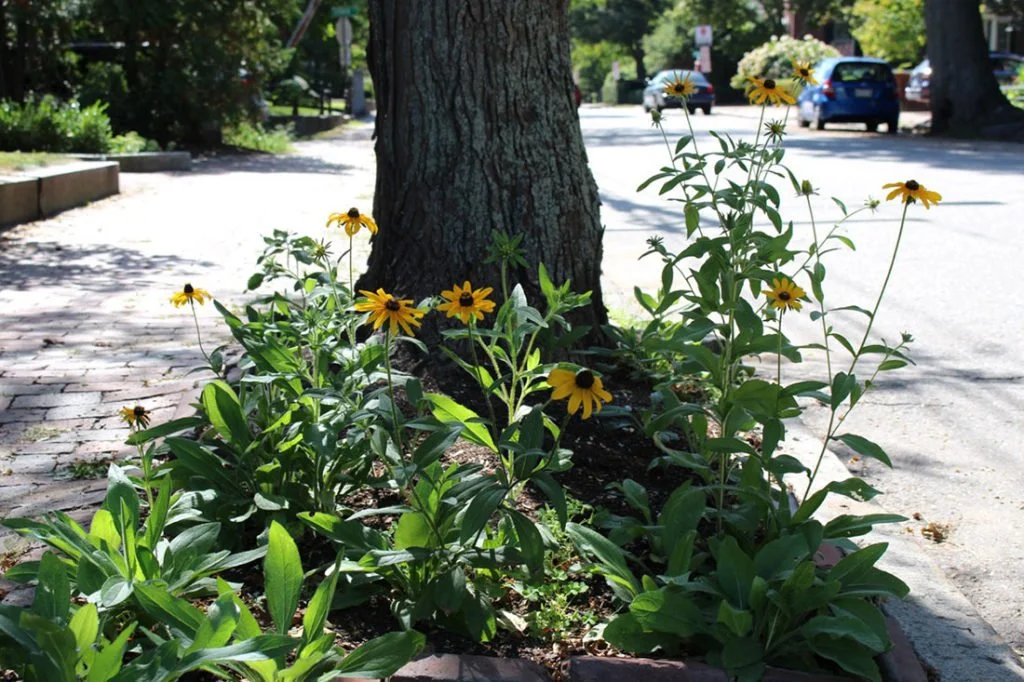
Hellstrip Plantings
Let us reclaim this forgotten territory and create some native habitat that will cool ground temperatures, absorb and filter rainwater, support pollinators, and bring a smile …

Creating Canopy: Plant a Native Tree for a Greener Future
Planting a native tree is a powerful act that directly benefits local wildlife, moderates ground temperature, and helps remove carbon dioxide from the atmosphere …

Wasps: The Underappreciated Pollinators
Wasps are among the gardener’s best friends, and they deserve our protection. At the forefront of consuming caterpillars and other insect larvae in the garden and wild landscapes are various predatory wasps…
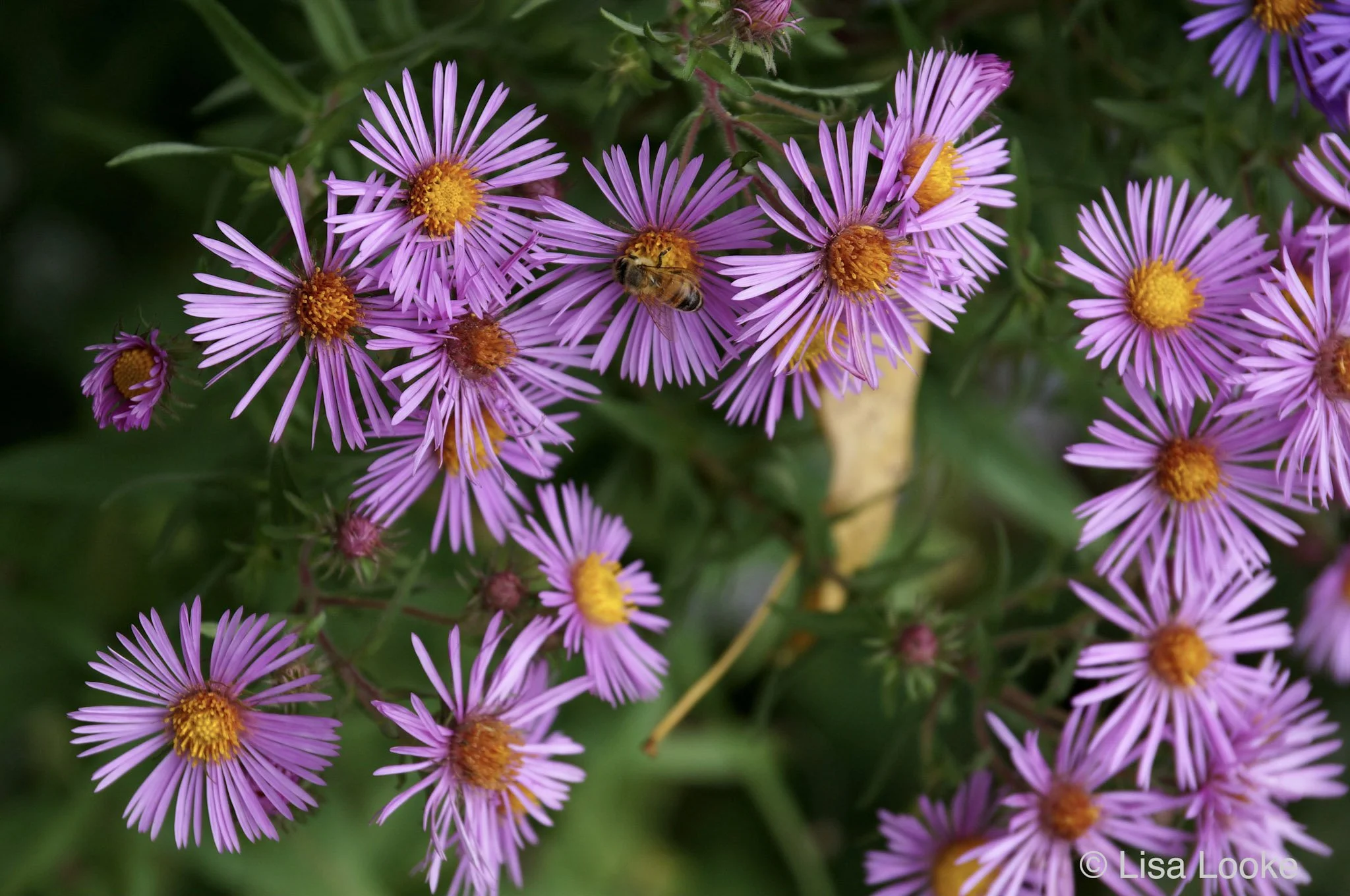
The Beauty and Pollinator Benefits of Asters and Goldenrods
Asters and goldenrods attract loads of late season pollinating insects. In the wintertime, they provide food and habitat for many birds and small animals that feast on the seeds and find shelter in the dried stalks. Research by entomologist Doug Tallamy …

Common Ground Fair Resources
Looking for a digital copy of our handouts from our booth at the MOFGA Common Ground Fair? You’ve come to the right place!
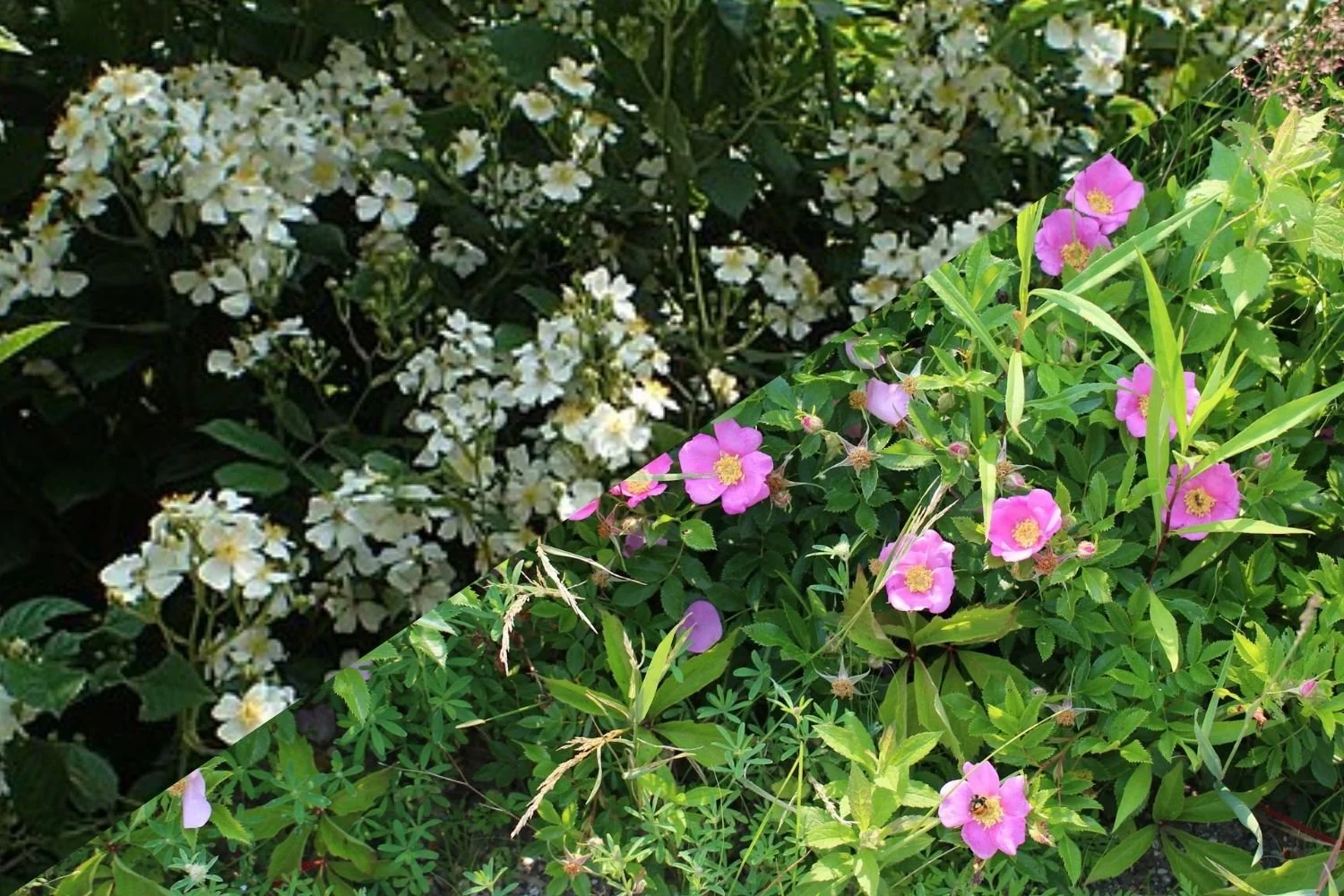
Invasive Plants and Maine’s Ecological Puzzle
Invasive plants are like pieces that just don’t fit right in Maine’s ecological puzzle. By crowding out native plants they leave holes in the food web and can exclude other pieces of the puzzle …
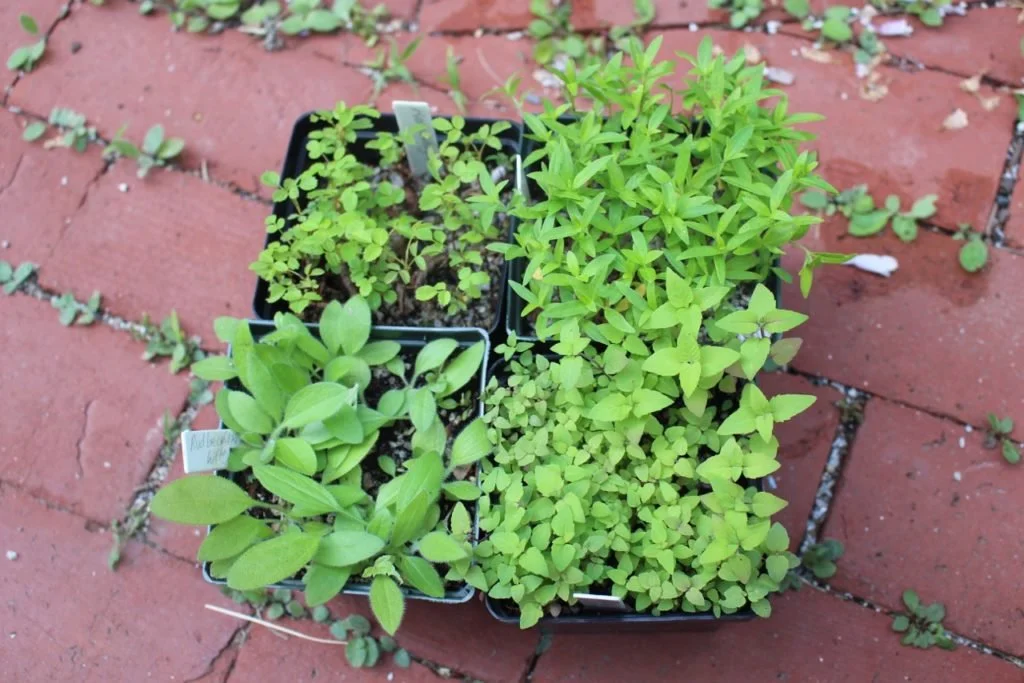
Caring for Your Native Seedlings
You have successfully germinated some native seeds and have small pots or flats filled with baby plants. Now what do you do? I recommend …
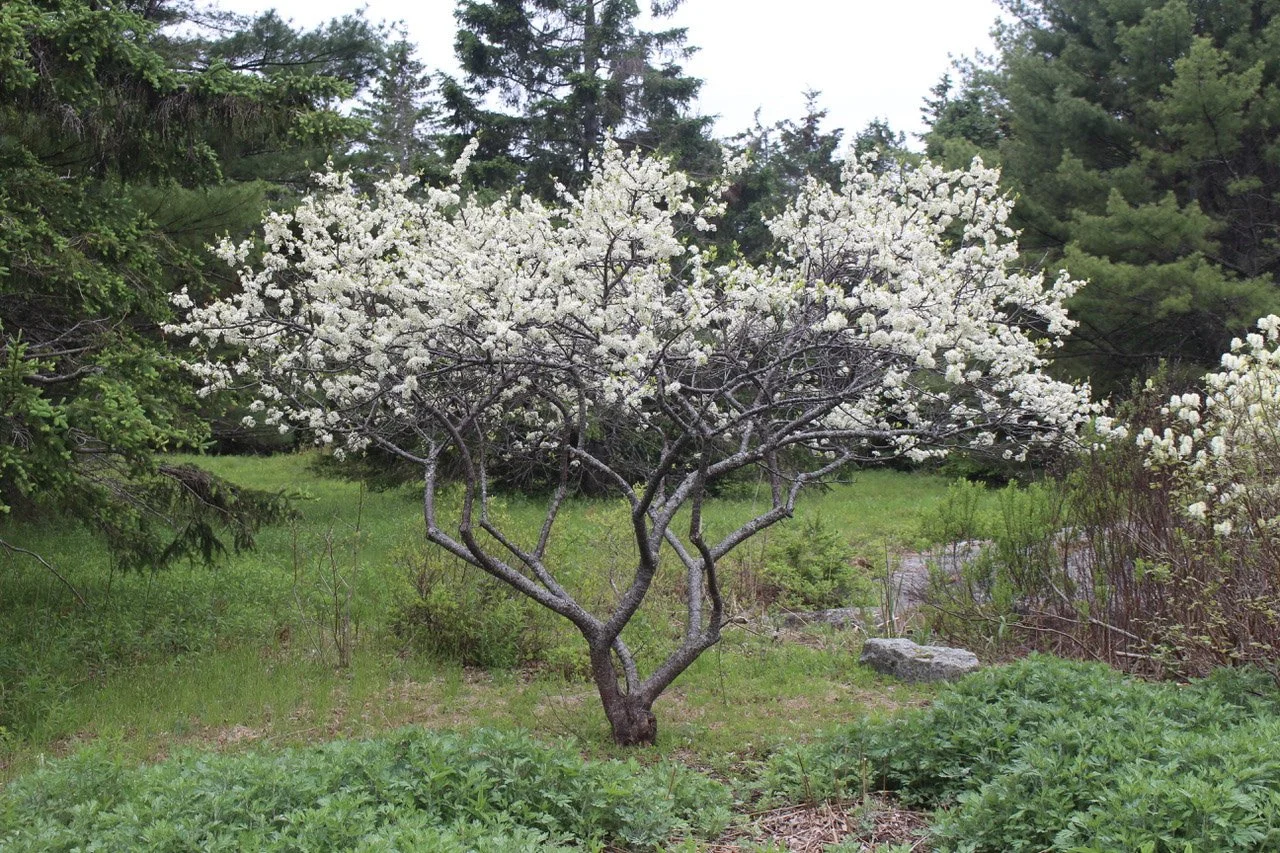
Flowering Trees for Small Spaces
Below is a list of a dozen small trees that have flowers and foliage that support pollinators, fruits and seeds to nourish wildlife, leaves in a variety of shapes and shades of green, and diverse …
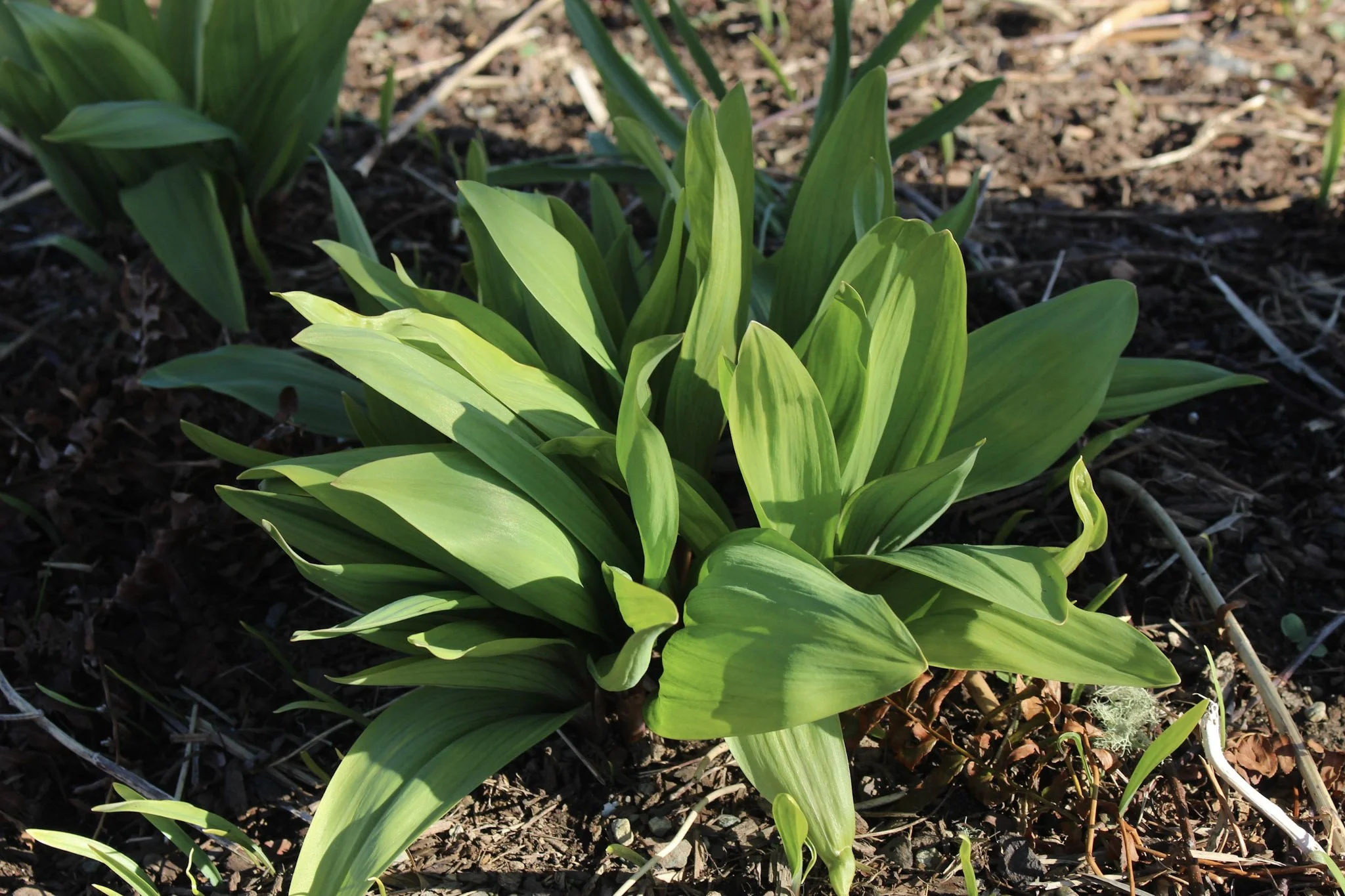
Native Edible Greens
Spring is a great time to taste some of Maine’s native plants that have edible leaves and shoots. Below are species that can be planted in your home landscape, transforming your experience with native plants …

Native Ground Covers for Beauty and Biodiversity at the Ground Level
Groundcovers are low-growing plants that fill in quickly to make a dense carpet of foliage. Once established, they’ll crowd out weeds, provide year-round protection to the soil, and offer …

Vines for Fences & Walls
With their roots in the earth and their stems twining upward, vines are a great solution where ground space is limited but vertical space is available. Choose a native species beloved by …
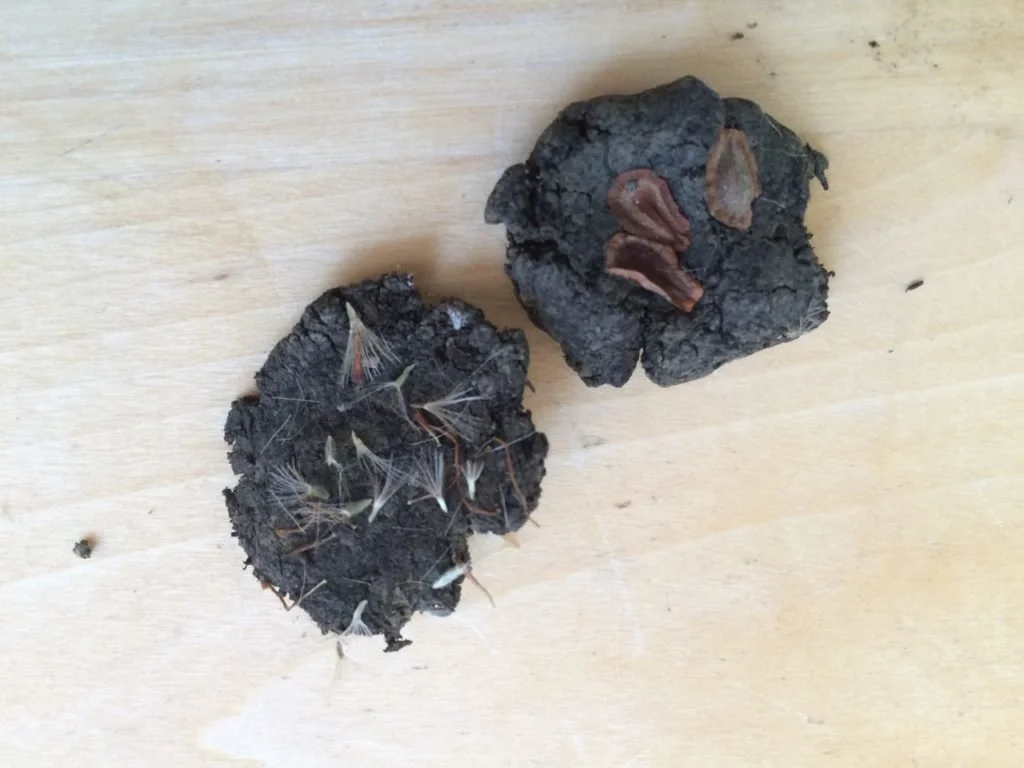
Native Seed Balls – Dispersing Seeds with Guerilla Action
There is something satisfying about the idea of tossing seeds of wild flowers or trees into an empty area with the hope that it will magically turn into a flowery meadow or forest. After all, seeds scatter in nature by chance…
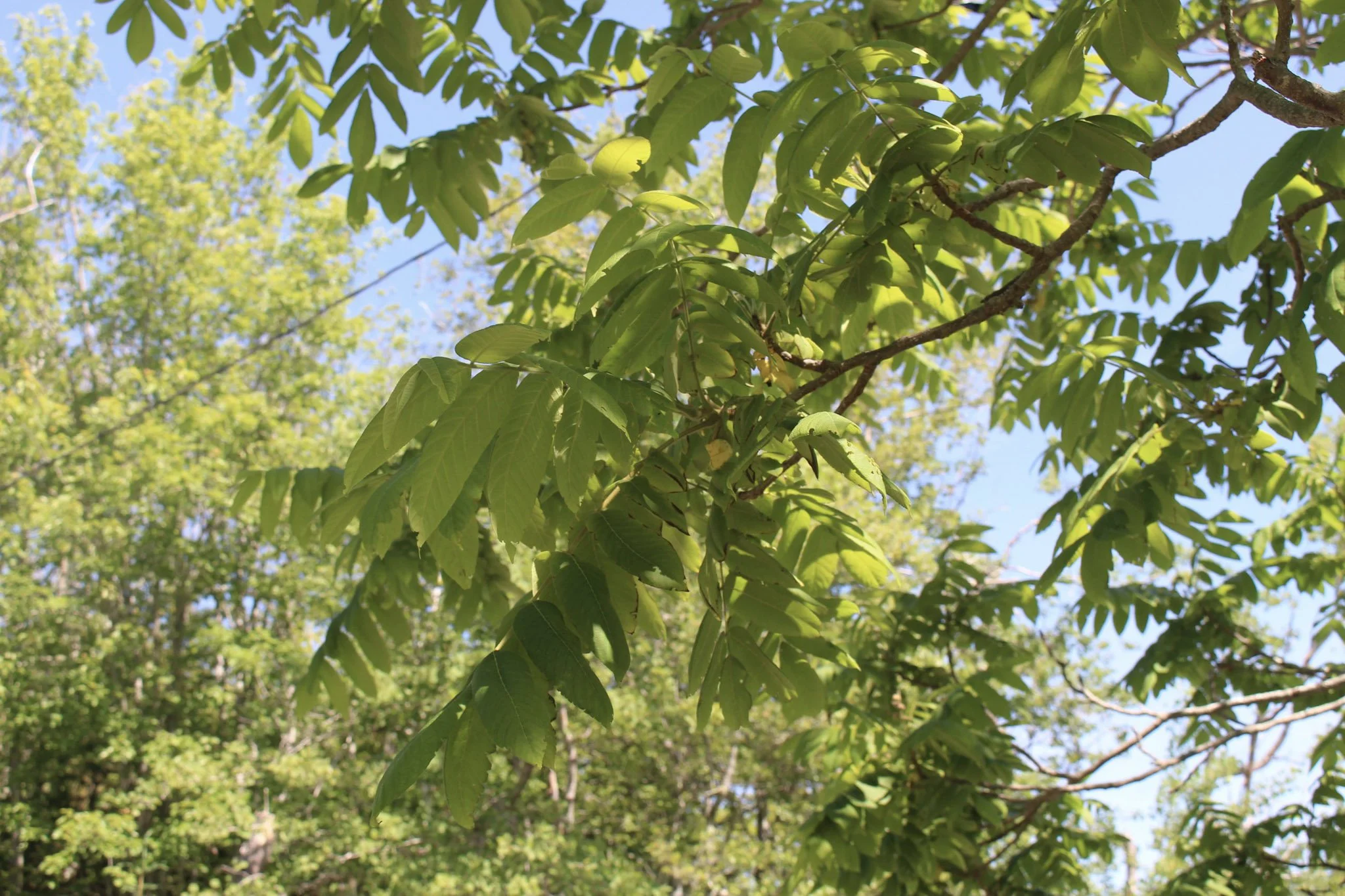
The Butternuts of Belfast
Belfast, Maine is loaded with butternut—the tree, not the squash. Since moving back to Maine last fall, I have seen more mature butternuts here …
Connecting Habitat in Portland
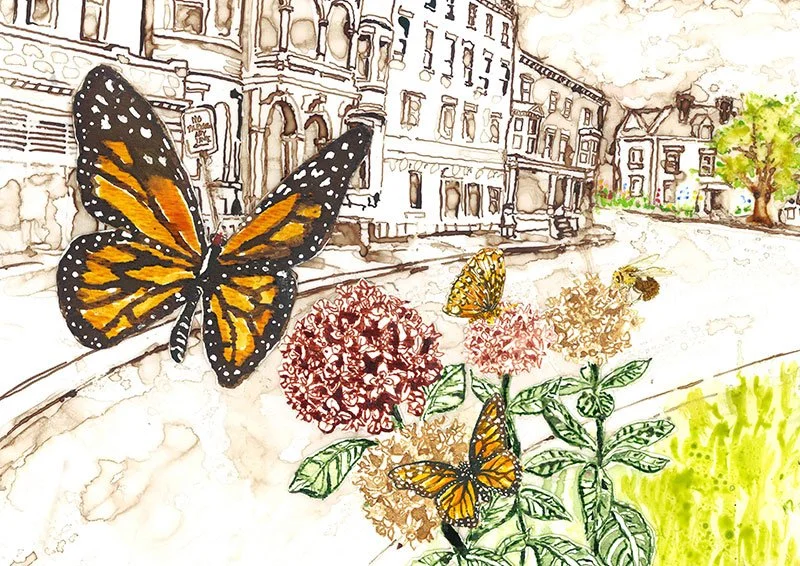
In urban areas, green spaces of natural habitat rapidly lose biodiversity if they exist in isolated patches. Many cities across the country and the world are working to promote corridors of native plants in an urban environment …

Pop-Up Parks and Parklets
Pop-up parks and parklets are catching on as a way to create a mini-oasis in an urban or paved environment. All across the country and around the world in many different climates and situations, people are harnessing their ingenuity …
Monarchs and Milkweed
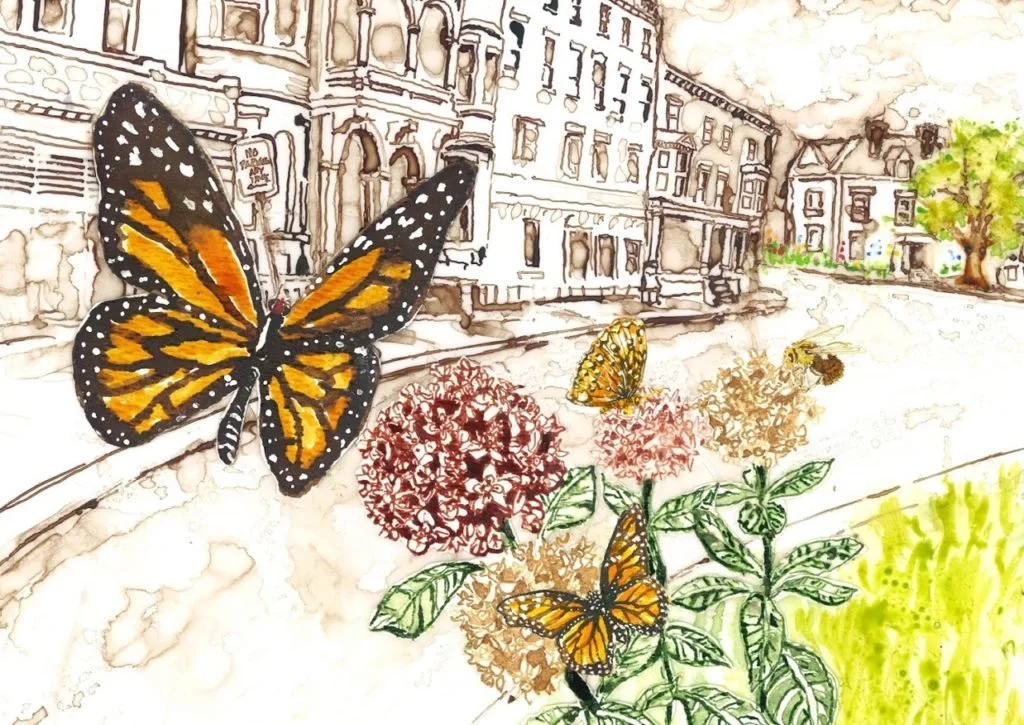
As we wait in hopeful anticipation for an increase in monarch butterfly populations, we can prepare for their arrival by planting native species that provide food and habitat for these beautiful creatures…